RWA

RWA (Real World Assets) refers to the tokenization of tangible assets—such as real estate, private credit, and government bonds—on the blockchain. By bringing traditional financial instruments on-chain, RWA protocols like Ondo and Centrifuge provide DeFi users with stable, real-yield opportunities. In 2026, the RWA sector is a multi-trillion-dollar bridge between TradFi and DeFi, enabling fractional ownership and global liquidity for previously illiquid assets. Follow this tag for insights into on-chain credit markets, regulatory compliance, and asset-backed security innovations.

42287 Articles
Created: 2026/02/02 18:52
Updated: 2026/02/02 18:52

PEPE Made Headlines, Now Traders Are Investors to This DeFi Gem Under $0.04

PEPE Made Headlines, Now Traders Are Investors to This DeFi Gem Under $0.04

The post PEPE Made Headlines, Now Traders Are Investors to This DeFi Gem Under $0.04 appeared first on Coinpedia Fintech News Pepe Coin (PEPE) grabbed global attention with its viral rise, transforming meme power into multimillion-dollar returns. At one point, traders who bought in early saw massive gains in days, and the coin quickly cemented itself as one of the standout meme tokens of the year. But fast-forward to today, and PEPE’s momentum has noticeably cooled. …

Author: CoinPedia
$Hyper Raises $10.2M as Bitcoin Tests New ATHs

$Hyper Raises $10.2M as Bitcoin Tests New ATHs

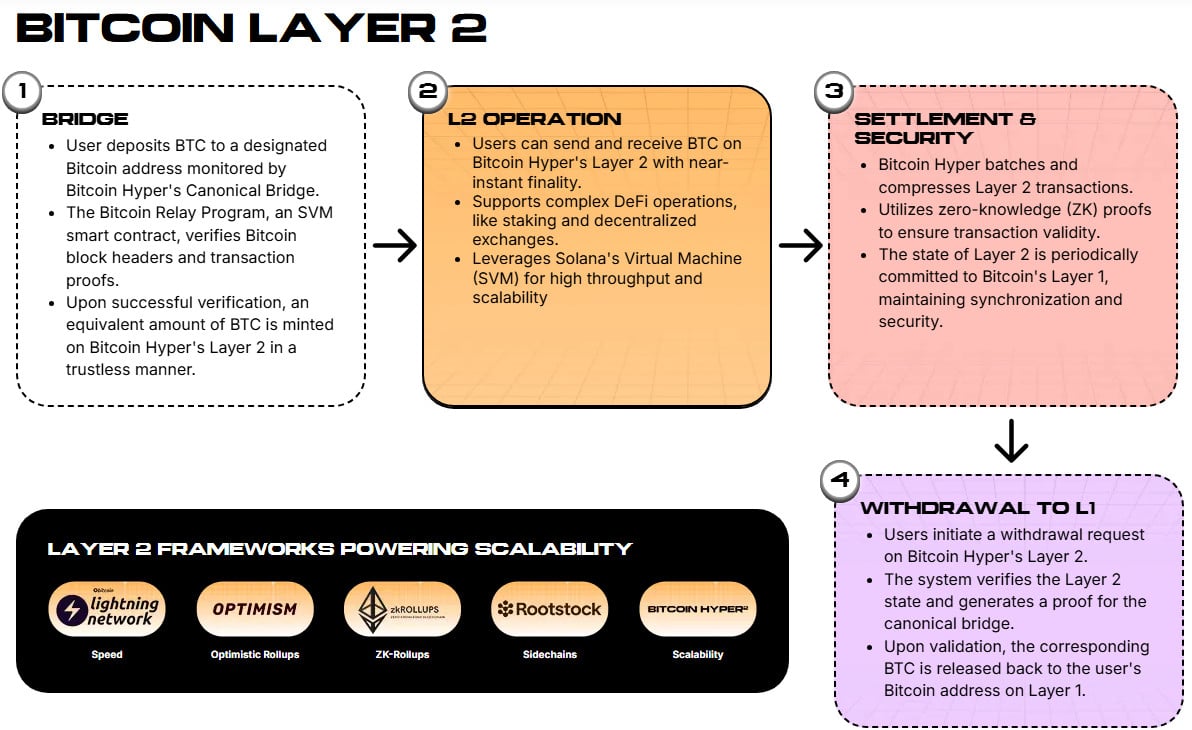
The post $Hyper Raises $10.2M as Bitcoin Tests New ATHs appeared on BitcoinEthereumNews.com. When it comes to cryptocurrencies, nothing beats Bitcoin. Launched back in 2009, it sparked a trend that would revolutionize finance. Today, even institutional investors and corporate treasuries are racing to stack sats. Among these Bitcoin holders, Michael Saylor’s Strategy has a considerable lead with 629,376 $BTC. Next is MARA Holdings Inc with 50,639 $BTC. Others, like US President Donald Trump’s Trump Media and Elon Musk’s Tesla, also hold their fair share. Source: bitcointreasuries.net. Recently, the coin has witnessed a flurry of activity, driven by interest from institutional investors and the US’ friendlier stance towards cryptocurrencies. This helped drive Bitcoin’s price towards its recent ATH of $124K. The Problem with the Bitcoin Network But despite Bitcoin’s status as the premier cryptocurrency, it has several drawbacks, particularly on the technical side. First, we need to talk about its speed. The Bitcoin blockchain can only handle an average of 5.65 transactions per second (TPS). In contrast, newer chains like Ethereum ($ETH) and Solana ($SOL) have an average TPS of 16.83 and 982.9, respectively. Because of its relatively low TPS, Bitcoin needs anywhere between hours and days to confirm transactions. This makes it ill-suited for fast payments. Then there’s Bitcoin’s inherently limited flexibility. Its script is simplified, which helps keep its network secure. But this has its downside, as it prevents the Bitcoin blockchain from supporting more advanced smart contracts, dApps, DeFi protocols, and NFTs, unlike Solana or Ethereum. Bitcoin Hyper: Bringing Bitcoin to the Modern Age Improving Bitcoin by upgrading it for faster transactions and greater utility seems straightforward, but the truth is more complicated. Simply put, reworking the blockchain’s foundation to make it faster and flexible would come at the cost of its security. And it’s fair to assume that no one would want this kind of trade-off. This is where Layer…

Author: BitcoinEthereumNews
Bitcoin Hyper Presale Raises $10.2M as Bitcoin Reaches New ATHs

Bitcoin Hyper Presale Raises $10.2M as Bitcoin Reaches New ATHs

When it comes to cryptocurrencies, nothing beats Bitcoin. Launched back in 2009, it sparked a trend that would revolutionize finance. Today, even institutional investors and corporate treasuries are racing to stack sats.

Author: Brave Newcoin
PowerBank Lights the Grid, Turning Sunlight Into Currency

PowerBank Lights the Grid, Turning Sunlight Into Currency

The post PowerBank Lights the Grid, Turning Sunlight Into Currency appeared on BitcoinEthereumNews.com. Key Points: PowerBank drives clean energy growth with 700 MWp+ pipeline across U.S. and Canada. Innovative Bitcoin treasury integration and tokenized solar assets diversify financing opportunities. Proven track record: 100+ projects built, $100M financings, 4,000+ homes powered. TORONTO/NEW YORK, August 19, 2025 – PowerBank Corporation (NASDAQ: SUUN; Cboe Canada: SUNN), a North American renewable energy developer and operator, has begun installation of its first battery energy storage system in Ontario while expanding its solar portfolio in the United States and Canada. The company is simultaneously advancing a digital finance strategy through Bitcoin treasury integration and tokenization of renewable energy assets. PowerBank Fuels 4,000 Homes With $100M+ in Financings PowerBank Corporation, formerly known as SolarBank, rebranded in July 2025 as part of its expanded clean energy and digital asset strategy. Headquartered in Toronto with U.S. offices in Rochester, New York, the company operates as a developer, engineer, builder, and asset operator in the renewable energy sector. The company’s business spans behind-the-meter solar power gardens, community solar plants, utility-scale solar farms, and battery energy storage systems. Since its inception, PowerBank has built more than 100 solar projects with a combined capacity exceeding 60 megawatts (MW), while managing over 100 operational solar plants. Its development pipeline exceeds 700 MWp, and it has facilitated more than $100 million in project financings. PowerBank reports that its solar projects have collectively powered more than 4,000 homes and continue to contribute to net-zero emission goals across North America. Installation of 20MWh Battery Storage in Ontario On August 6, 2025, PowerBank announced the start of installation of its first battery energy storage system (BESS) in Ontario. The project, located in the Township of Armour, has a nameplate capacity of 4.99 megawatts/20 megawatt-hours and will use lithium iron phosphate technology. The system is contracted under the Independent Electricity System…

Author: BitcoinEthereumNews
Asia FX Outlook: Resilient Amid Geopolitical Tensions and Fed Policy Unveiling

Asia FX Outlook: Resilient Amid Geopolitical Tensions and Fed Policy Unveiling

BitcoinWorld Asia FX Outlook: Resilient Amid Geopolitical Tensions and Fed Policy Unveiling For cryptocurrency enthusiasts and traditional investors alike, understanding the intricate dance of global macroeconomic factors is paramount. The Asia FX Outlook, in particular, offers a fascinating barometer of market sentiment, often reflecting the subtle shifts driven by international diplomacy and central bank actions. As markets remain steady, the collective gaze turns towards two pivotal events: potential Russia-Ukraine talks and the highly anticipated Federal Reserve symposium. How will these seemingly disparate forces shape the future of currency markets and, by extension, the broader financial landscape? Let’s delve into the currents guiding Asia’s currencies. Asia FX Outlook: A Glimpse into Regional Stability Despite the backdrop of global uncertainties, the Asia FX Outlook has largely presented a picture of remarkable stability. This steadiness isn’t merely coincidental; it’s a testament to several underlying factors that bolster the region’s currencies against external shocks. Many Asian economies have demonstrated robust trade surpluses, healthy foreign exchange reserves, and prudent fiscal management, creating a buffer against volatility. Consider the performance of key Asian currencies: Japanese Yen (JPY): Often viewed as a safe-haven asset, the JPY’s performance is closely watched, particularly in times of global stress. Its movements are often influenced by interest rate differentials and risk sentiment. Chinese Yuan (CNY): As the currency of the world’s second-largest economy, the CNY’s stability is crucial. Managed by the People’s Bank of China, its movements reflect China’s economic health and trade relations. Korean Won (KRW): Highly sensitive to global trade and technology cycles, the KRW’s trajectory offers insights into the health of the tech sector and broader manufacturing. Singapore Dollar (SGD): Known for its strong fundamentals and a monetary policy managed by exchange rate rather than interest rates, the SGD typically exhibits resilience. This collective resilience underscores the growing maturity and diversification of Asian economies, which are increasingly less dependent on single external drivers and more reliant on strong domestic demand and intra-regional trade. However, this stability is not immune to significant external pressures, particularly those emanating from geopolitical hotspots and major central bank policy shifts. Geopolitical Impact: The Shadow of Russia-Ukraine Talks on Global Currencies The ongoing conflict between Russia and Ukraine continues to cast a long shadow over global financial markets, and currency valuations are no exception. The mere prospect of renewed Geopolitical Impact, especially in the form of potential peace talks, can trigger significant shifts in investor sentiment and, consequently, currency flows. When tensions escalate, investors typically flock to traditional safe-haven currencies like the US Dollar (USD), Japanese Yen (JPY), and Swiss Franc (CHF), causing other currencies, including some in Asia, to depreciate. Conversely, any credible sign of de-escalation or a diplomatic resolution tends to encourage a “risk-on” environment, leading to a reversal of these flows. The implications for Asia FX are multifaceted: Commodity Prices: Russia is a major exporter of oil, gas, and other raw materials. Conflict-driven supply disruptions or fears thereof have historically led to spikes in commodity prices. For net commodity importers in Asia (like Japan, Korea, and India), this translates to higher import bills and inflationary pressures, potentially weakening their currencies. A resolution could stabilize or lower these prices, offering relief. Supply Chains: Global supply chains, already fragile post-pandemic, have been further strained by the conflict. Any improvement in the geopolitical landscape could ease these pressures, benefiting export-oriented Asian economies. Investor Confidence: Reduced geopolitical uncertainty can boost overall investor confidence, encouraging capital flows back into emerging markets, including those in Asia, strengthening their currencies. Market participants are therefore keenly observing any diplomatic overtures, understanding that the outcome of these talks could dictate short-term volatility and long-term directional trends for a range of currencies. Federal Reserve Policy: Decoding the Jackson Hole Symposium’s Influence Another monumental event on the financial calendar is the Federal Reserve’s annual economic symposium in Jackson Hole, Wyoming. This gathering of central bankers, economists, and financial market participants often serves as a crucial platform for policymakers to signal future monetary policy direction. The anticipation surrounding Federal Reserve Policy announcements at such events is palpable, as the Fed’s decisions reverberate across global financial markets, directly influencing interest rates, bond yields, and, crucially, currency valuations. What makes the Fed’s stance so impactful on Asia FX? Interest Rate Differentials: When the Fed raises interest rates, the yield on US dollar-denominated assets becomes more attractive relative to those in other countries. This incentivizes capital to flow into the US, strengthening the dollar. Conversely, a dovish Fed stance can weaken the dollar, making Asian assets relatively more appealing. Global Liquidity: The Fed’s quantitative easing (QE) or quantitative tightening (QT) policies directly impact global dollar liquidity. A tightening of liquidity can create funding pressures globally, often leading to a stronger dollar and weaker emerging market currencies. Risk Sentiment: The Fed’s outlook on inflation and economic growth shapes global risk sentiment. A confident Fed can boost risk appetite, potentially benefiting higher-yielding Asian currencies, while a cautious stance might lead to a flight to safety. The “dollar smile” theory often comes into play here: the dollar tends to strengthen when the US economy is performing exceptionally well (leading to rate hikes) or exceptionally poorly (triggering safe-haven demand). Asian currencies often find themselves on the other side of this smile, weakening during periods of extreme dollar strength. Therefore, every nuance of the Fed’s communication is dissected for clues about future rate paths and balance sheet adjustments, which will undeniably ripple through the Currency Market Trends across Asia. Currency Market Trends: Navigating Volatility and Opportunity in Asia The global Currency Market Trends are a complex tapestry woven from a multitude of threads, including inflation differentials, interest rate expectations, trade balances, capital flows, and geopolitical events. For Asia, these trends present both significant challenges and compelling opportunities. While the overall outlook for Asia FX has been one of relative stability, specific currencies can experience considerable volatility based on localized factors and global shifts. Key trends influencing Asia FX include: Inflationary Pressures: Global inflation, driven by supply chain disruptions and energy costs, impacts purchasing power and central bank responses. Asian central banks are balancing growth with price stability, and their differing approaches create divergence in currency performance. Trade Dynamics: Asia remains a global manufacturing and export powerhouse. Strong export performance generally supports local currencies, while trade disputes or a slowdown in global demand can exert downward pressure. Capital Flows: Investor appetite for Asian assets, influenced by interest rate differentials and economic growth prospects, dictates capital inflows and outflows, directly affecting currency strength. Divergent Monetary Policies: While the Fed’s policy is a major driver, Asian central banks pursue their own independent monetary policies based on domestic conditions. This divergence can create attractive carry trade opportunities for investors. For investors, understanding these trends is crucial. Diversification across a basket of Asian currencies can mitigate risk, while selective exposure to currencies with strong economic fundamentals and supportive central bank policies can yield positive returns. The challenge lies in accurately predicting the interplay of these global and regional factors. Economic Stability: Asia’s Pivotal Role in the Global Puzzle Ultimately, the steadiness of Asia’s currencies is deeply intertwined with the region’s broader Economic Stability. Asia, encompassing diverse economies from the tech-driven powerhouses of Northeast Asia to the burgeoning markets of Southeast Asia and the subcontinent, represents a significant engine of global growth. Its resilience against recent global shocks, including the pandemic and inflationary pressures, highlights its growing importance in the global economic architecture. How does Asia contribute to and navigate global economic stability? Diversified Growth Drivers: Many Asian economies are moving beyond traditional manufacturing, investing heavily in technology, services, and domestic consumption, making them less susceptible to single-sector downturns. Regional Trade Integration: Initiatives like the Regional Comprehensive Economic Partnership (RCEP) foster stronger intra-regional trade, creating a buffer against external demand fluctuations. Demographic Dividends: Several Asian nations benefit from young, growing populations, promising future labor force expansion and consumer markets. Prudent Policymaking: Many Asian governments and central banks have demonstrated a commitment to fiscal discipline and inflation management, which builds investor confidence. However, challenges persist. Rising debt levels in some nations, the ongoing impact of climate change, and the need for continuous structural reforms remain critical areas of focus. The interplay between global events—like geopolitical tensions and the Fed’s monetary stance—and Asia’s inherent strengths will continue to define the region’s economic trajectory and, by extension, the performance of its currencies. As global markets evolve, Asia’s role as a pillar of stability and growth becomes ever more pronounced, making its currency movements a key indicator for the health of the broader financial world. Actionable Insights for Navigating Asia FX For those looking to engage with Asia FX, here are some actionable insights: Monitor Central Bank Communications: Pay close attention not only to the Federal Reserve but also to the monetary policy statements from the Bank of Japan, People’s Bank of China, Bank of Korea, and others. Their forward guidance on interest rates and inflation targets will be crucial. Track Geopolitical Developments: Keep abreast of headlines related to the Russia-Ukraine conflict and other potential flashpoints. Escalations can lead to risk aversion, while de-escalation can boost sentiment. Analyze Commodity Price Trends: For commodity-importing Asian economies, sustained high energy or food prices can be a significant headwind for their currencies. Assess Trade Balances: Nations with persistent trade surpluses tend to have stronger currencies over the long term, reflecting healthy external demand for their goods and services. Consider Diversification: Given the diverse economic landscapes within Asia, a diversified approach across several Asian currencies can help mitigate risk and capture broader regional growth. Challenges and Opportunities Challenges: External Shocks: Asia remains vulnerable to global economic slowdowns, sudden shifts in capital flows, and unforeseen geopolitical events. Inflationary Pressures: While some inflation is manageable, runaway inflation could force aggressive monetary tightening, potentially dampening growth. China’s Economy: As a major trading partner and economic influencer, any significant slowdown or policy shift in China can have ripple effects across the region. US Dollar Strength: A persistently strong US dollar can make dollar-denominated debt more expensive for Asian borrowers and draw capital away from the region. Opportunities: Strong Fundamentals: Many Asian economies boast robust growth prospects, sound fiscal policies, and large domestic markets. Technological Advancement: Asia is at the forefront of technological innovation, driving productivity gains and new industries. Regional Integration: Increased economic integration within Asia can create a more resilient and self-sustaining economic bloc. Yield Differentials: For investors, the potential for attractive yield differentials compared to developed markets can make certain Asian currencies appealing for carry trades. Conclusion: Asia FX – A Barometer of Global Interconnectedness The seemingly steady performance of Asia FX Outlook is far from static; it is a dynamic reflection of a complex interplay between global geopolitical currents and the powerful forces of central bank policy. As markets continue to eye potential Russia-Ukraine talks and the Federal Reserve symposium, the resilience of Asian currencies will be tested, but also affirmed. These events underscore the profound interconnectedness of our global financial system, where a diplomatic breakthrough or a central bank’s nuanced statement can send ripples across continents, influencing everything from trade flows to investment decisions. For investors, businesses, and indeed anyone tracking the pulse of the global economy, the movements in Asia FX offer invaluable insights. They tell a story of regional strengths, external vulnerabilities, and the ongoing dance between risk and opportunity. Navigating this landscape requires vigilance, a deep understanding of macroeconomic fundamentals, and an appreciation for the subtle signals that shape the world’s currency markets. As Asia continues to solidify its position as a vital engine of global growth, its currencies will remain a crucial barometer for Economic Stability and global financial health. To learn more about the latest Forex market trends, explore our article on key developments shaping currency movements and global liquidity. This post Asia FX Outlook: Resilient Amid Geopolitical Tensions and Fed Policy Unveiling first appeared on BitcoinWorld and is written by Editorial Team

Author: Coinstats
SOL Treasury Makes Pioneering Move, Acquires Additional 1,565 SOL

SOL Treasury Makes Pioneering Move, Acquires Additional 1,565 SOL

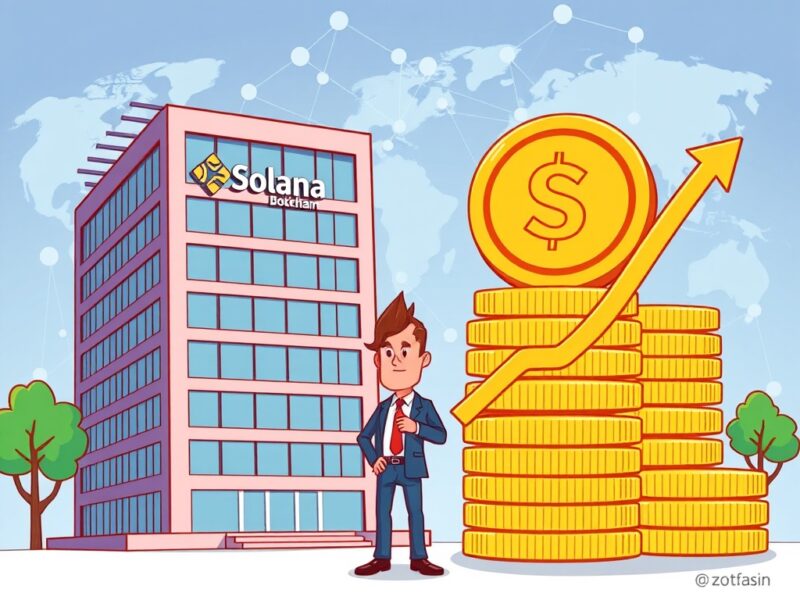
BitcoinWorld SOL Treasury Makes Pioneering Move, Acquires Additional 1,565 SOL In a significant development for the cryptocurrency world, French firm SOL Treasury Corp, a subsidiary of Acheter-Louer.fr (ALALO) listed on Euronext Growth Paris, has expanded its digital asset portfolio. The company announced on August 8 that it acquired an additional 1,565 Solana (SOL) tokens. This strategic acquisition brings its total Solana holdings to an impressive 14,194 SOL, valued at approximately $2.7 million at the time of the announcement, according to a report from SolanaFloor on X. This move solidifies SOL Treasury Corp’s position as the first publicly traded entity in Europe to hold Solana (SOL) as a primary treasury asset, marking a notable milestone in corporate crypto adoption. Why is SOL Treasury Making This Strategic Investment? Acheter-Louer.fr (ALALO) is a well-established player in the digital real estate advertising sector, providing a robust platform for property listings. Its subsidiary, SOL Treasury Corp, was specifically created to manage and diversify the group’s treasury assets, venturing into the burgeoning digital asset space. The decision to allocate a substantial portion of its treasury to Solana is a calculated one, reflecting a forward-thinking approach to corporate finance. Diversification: Companies often seek to diversify their treasury holdings beyond traditional fiat currencies and bonds to mitigate risks and explore new avenues for growth. Inflation Hedge: In an environment of economic uncertainty, some businesses view cryptocurrencies as a potential hedge against inflation, preserving purchasing power over time. Growth Potential: Solana, with its high-speed and low-cost blockchain, represents a promising technology with significant growth potential, offering a compelling investment opportunity for forward-looking entities like SOL Treasury. Understanding Corporate Treasury Crypto Holdings Holding cryptocurrencies as treasury assets is a relatively new but growing trend among public companies. Pioneered by firms like MicroStrategy, which famously adopted Bitcoin as its primary treasury reserve asset, this strategy involves converting a portion of a company’s cash reserves into digital currencies. For SOL Treasury, choosing Solana specifically highlights a belief in the network’s long-term viability and its distinct advantages within the blockchain ecosystem. What makes Solana particularly appealing for a corporate treasury? Speed and Efficiency: Solana boasts incredibly fast transaction speeds and low fees, making it an attractive platform for various decentralized applications and potentially for future corporate uses. Scalability: Its architecture is designed for high throughput, addressing concerns about network congestion that can plague other blockchains. Growing Ecosystem: Solana has a rapidly expanding ecosystem of DeFi projects, NFTs, and dApps, indicating strong developer and user adoption. These attributes suggest that SOL Treasury Corp views Solana not just as a speculative asset, but as a foundational technology with practical applications and significant future value. What Are the Potential Benefits and Risks for SOL Treasury? The acquisition of Solana tokens by SOL Treasury Corp brings a mix of potential benefits and inherent risks. On the upside, being an early mover in holding SOL as a primary treasury asset can provide significant visibility and a competitive edge. If Solana’s value appreciates, it could substantially boost the company’s balance sheet, creating additional value for shareholders. However, the volatile nature of cryptocurrencies presents clear challenges: Price Volatility: The value of SOL can fluctuate dramatically, potentially leading to significant paper losses if the market turns unfavorable. Regulatory Uncertainty: The regulatory landscape for cryptocurrencies is still evolving globally, which could impact the legal and operational aspects of holding digital assets. Security Concerns: Storing digital assets securely requires robust cybersecurity measures to prevent hacks and theft. Despite these risks, the continued investment by SOL Treasury suggests a calculated approach, likely involving risk management strategies and a strong conviction in Solana’s long-term prospects. Implications for Corporate Crypto Adoption The move by SOL Treasury Corp is more than just an isolated investment; it signals a broader trend in corporate finance. As more publicly traded companies explore and embrace digital assets for their treasuries, it lends further legitimacy and institutional validation to the crypto market. This could encourage other European and global firms to consider similar strategies, driving mainstream adoption of blockchain technologies and digital currencies. The commitment of SOL Treasury to Solana, specifically, also highlights the increasing diversity of cryptocurrencies being considered by institutional players beyond just Bitcoin and Ethereum. This diversification speaks to the maturing crypto market and the growing recognition of various blockchain ecosystems’ unique strengths. It sets a precedent, potentially paving the way for more companies to explore alternative digital assets as part of their financial strategies. In conclusion, SOL Treasury Corp’s latest acquisition of 1,565 SOL tokens is a landmark event. It not only significantly increases their Solana holdings but also reinforces their pioneering status as the first European publicly traded company to embrace SOL as a core treasury asset. This bold decision underscores a growing confidence in digital currencies among traditional financial entities and points towards a future where cryptocurrencies play an increasingly vital role in corporate balance sheets. This strategic move by SOL Treasury may well inspire other companies to follow suit, further integrating the exciting world of blockchain into mainstream finance. Frequently Asked Questions (FAQs) What is SOL Treasury Corp? SOL Treasury Corp is a subsidiary of Acheter-Louer.fr (ALALO), a French firm listed on Euronext Growth Paris. Its primary function is to manage and diversify the group’s treasury assets, with a focus on digital currencies like Solana (SOL). Why did SOL Treasury acquire more Solana (SOL)? SOL Treasury acquired additional SOL tokens as part of its strategy to diversify its treasury holdings. This move aims to leverage the potential growth of the Solana blockchain, provide a hedge against inflation, and explore new investment avenues beyond traditional assets. Is SOL Treasury Corp the first European public company to hold SOL? Yes, SOL Treasury Corp is noted as the first publicly traded entity in Europe to hold Solana (SOL) as a primary treasury asset, making its strategy a significant development in corporate crypto adoption. What are the benefits of a company holding crypto as a treasury asset? Benefits can include portfolio diversification, potential appreciation of the asset, a hedge against inflation, and gaining exposure to innovative technologies. It can also signal a company’s forward-thinking approach to finance. What are the risks associated with a company holding cryptocurrencies? Key risks include high price volatility, which can lead to significant fluctuations in asset value; an evolving and uncertain regulatory landscape; and the need for robust cybersecurity measures to protect digital assets from theft or loss. Did you find this article insightful? Share it with your network to spread the word about the latest trends in corporate crypto adoption and Solana’s growing institutional appeal! To learn more about the latest crypto market trends, explore our article on key developments shaping Solana institutional adoption. This post SOL Treasury Makes Pioneering Move, Acquires Additional 1,565 SOL first appeared on BitcoinWorld and is written by Editorial Team

Author: Coinstats
IOSG: How does encryption technology become the key to success or failure in browser proxy?

IOSG: How does encryption technology become the key to success or failure in browser proxy?

By Mario Chow & Figo @IOSG introduction Over the past 12 months, the relationship between web browsers and automation has shifted dramatically. Nearly every major tech company is scrambling to

Author: PANews
Goedemorgen Bitcoin: Individuele miner wint 3.125 BTC, $165 miljard Tether in de markt

Goedemorgen Bitcoin: Individuele miner wint 3.125 BTC, $165 miljard Tether in de markt

Connect met Like-minded Crypto Enthusiasts! Connect op Discord! Check onze Discord Goedemorgen! We hebben de belangrijkste gebeurtenissen uit de cryptowereld voor je samengevat. Van miners tot instituten en van koersdruk tot macro-economische uitspraken: dit zijn de highlights van vandaag. 93% van alle Bitcoin is al gemined – maar wat betekent dat precies? Volgens de laatste data is inmiddels meer dan 93% van alle Bitcoin in omloop gebracht. Dit benadrukt opnieuw de schaarste van BTC, die door het vaste maximum van 21 miljoen munten uniek is in de financiële wereld. Analisten wijzen erop dat deze toenemende zeldzaamheid de prijs op lange termijn kan blijven ondersteunen, zeker nu institutionele vraag blijft toenemen. Bitcoin koers onder druk: analisten verdeeld over vervolg Na een korte opleving staat de Bitcoin koers opnieuw onder druk. Sommige analisten verwachten dat de $120.000 als stevige weerstand zal fungeren, terwijl anderen wijzen op sterke fundamentals die de volgende rally kunnen ondersteunen. Deze verdeeldheid illustreert hoe gespannen het sentiment momenteel is, met zowel optimistische als voorzichtigere vooruitzichten. Solo-miner wint $371.000 block reward Een solo-miner wist onlangs een Bitcoin-block te vinden en sleepte hiermee een beloning van ruim $371.000 binnen. De kans op zo’n winst is extreem klein, wat dit nieuws extra bijzonder maakt. Het succes benadrukt dat zelfs in een wereld gedomineerd door grote miningpools, individuele miners nog steeds een rol kunnen spelen. Strategy koopt voor $51 miljoen aan Bitcoin ondanks koersdaling Het voormalige MicroStrategy, nu Strategy, blijft onverminderd inzetten op Bitcoin en kocht recent 560 BTC bij voor een bedrag van $51 miljoen. Daarmee groeit hun totale bezit tot ruim boven de 630.000 BTC. De strategie van Michael Saylor benadrukt dat grote spelers koersschommelingen niet als obstakel, maar juist als kans zien. Ex-minister van Financiën: ‘Rentes gaan alleen omlaag bij recessie’ Voormalig Amerikaans minister van Financiën Larry Summers stelt dat de Federal Reserve de rente alleen zal verlagen als de VS daadwerkelijk in een recessie belandt. Voor Bitcoin en andere risico-assets kan dit betekenen dat de volatiliteit blijft aanhouden zolang er geen duidelijk macro-economisch pad is. Dit soort uitspraken geeft beleggers extra reden tot voorzichtigheid. Tether-marktkapitalisatie bereikt $165 miljard Stablecoin-uitgever Tether heeft een nieuwe mijlpaal bereikt: de marktkapitalisatie van USDT staat inmiddels op $165 miljard. Het bevestigt de dominante positie van Tether in de stablecoin-markt. Tegelijkertijd wordt het bedrijf nauwlettend in de gaten gehouden door toezichthouders vanwege de enorme impact die USDT heeft op de bredere cryptomarkt. BitcoinMagazine lanceert Discord channel! Wil je meepraten over deze onderwerpen? Join dan ons nieuwe Discord channel en discussieer met onze experts, leer van andere lezers en blijf op de hoogte van acties en insiderinformatie! Nu naar Discord Het bericht Goedemorgen Bitcoin: Individuele miner wint 3.125 BTC, $165 miljard Tether in de markt is geschreven door Robin Heester en verscheen als eerst op Bitcoinmagazine.nl.

Author: Coinstats
Archax Secures Stellar Partnership as Real-World Assets Surge 85%

Archax Secures Stellar Partnership as Real-World Assets Surge 85%

The UK-authorized digital asset exchange, broker, and custodian, Archax, has sealed an enormous collaboration with the Stellar Development Foundation (SDF). Under the terms of the agreement, SDF has invested directly in the Archax Group, supporting Archax’s ambitions of connecting traditional finance and blockchain technology. Stellar, renowned for its pace of cross-border settlements, will play a […]

Author: Tronweekly
Pi Network Moderator Hints at Second Migration Amid Referral Bonus Transfer Delays

Pi Network Moderator Hints at Second Migration Amid Referral Bonus Transfer Delays

                         Read the full article at                             coingape.com.                         

Author: CoinGape