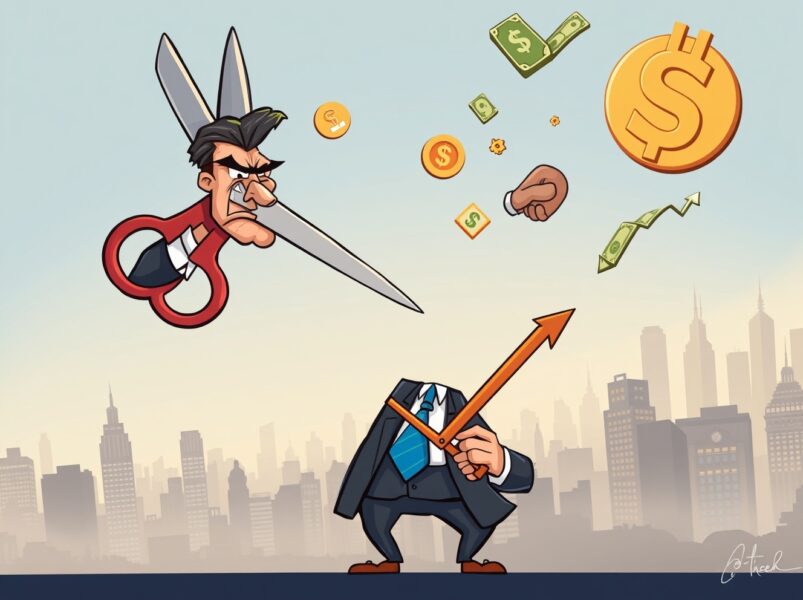
According to Armstrong, younger generations increasingly "feel locked out of the old wealth ladder" that previous generations climbed to build prosperity. This sense of exclusion from conventional pathways to wealth accumulation is driving them toward cryptocurrency as an alternative financial system that operates outside traditional gatekeepers.According to Armstrong, younger generations increasingly "feel locked out of the old wealth ladder" that previous generations climbed to build prosperity. This sense of exclusion from conventional pathways to wealth accumulation is driving them toward cryptocurrency as an alternative financial system that operates outside traditional gatekeepers.

Coinbase CEO: Broken Financial System Driving Younger Generations to Crypto

2025/12/17 12:30
Haber Özeti
According to Armstrong, younger generations increasingly "feel locked out of the old wealth ladder" that previous generations climbed to build prosperity. This sense of exclusion from conventional pathways to wealth accumulation is driving them toward cryptocurrency as an alternative financial system that operates outside traditional gatekeepers.

Brian Armstrong says young people "feel locked out of the old wealth ladder," accelerating their embrace of digital assets.

A System That No Longer Works

Coinbase CEO Brian Armstrong has offered a pointed diagnosis of cryptocurrency's growing appeal among younger generations: the traditional financial system is broken, and young people know it.

According to Armstrong, younger generations increasingly "feel locked out of the old wealth ladder" that previous generations climbed to build prosperity. This sense of exclusion from conventional pathways to wealth accumulation is driving them toward cryptocurrency as an alternative financial system that operates outside traditional gatekeepers.

The assessment strikes at a fundamental tension in contemporary economics. Home ownership, once a cornerstone of middle-class wealth building, has become increasingly unattainable in many markets. Student debt burdens have ballooned. Wage growth has persistently lagged behind asset price appreciation, creating a widening gulf between those who already own assets and those trying to acquire them.

Generational Economic Divide

Armstrong's comments reflect a broader narrative gaining traction across financial and political discourse. Millennials and Gen Z face economic headwinds that differ markedly from those encountered by their parents and grandparents. The traditional formula—education, steady employment, home purchase, retirement savings—has grown considerably less reliable as a pathway to financial security.

Real estate prices in major metropolitan areas have outpaced income growth for decades. The 2008 financial crisis devastated household wealth precisely as many millennials were entering the workforce. More recently, inflation has eroded purchasing power while asset prices reached new heights, further disadvantaging those without existing holdings.

In this context, cryptocurrency presents itself as a parallel financial system with different rules. Barriers to entry are minimal. Markets operate continuously. Geographic restrictions matter less. And perhaps most importantly to younger participants, the system was not designed by and for incumbent wealth holders.

Crypto as Alternative Ladder

The framing of crypto as an alternative wealth ladder carries significant implications. It positions digital assets not merely as speculative instruments but as structural solutions to systemic inequities in traditional finance.

For young investors who watched housing prices double while their savings accounts earned near-zero interest, Bitcoin's fixed supply and independence from central bank policy hold genuine philosophical appeal. The ability to self-custody assets without relying on banks that charge fees and impose restrictions resonates with those who feel underserved by conventional financial institutions.

DeFi protocols that offer yields unavailable through traditional banking further reinforce this narrative. Whether these yields prove sustainable matters less to the broader story than the fact that they exist at all, demonstrating alternative models for financial participation.

Industry Implications

Armstrong's framing serves obvious business purposes for Coinbase, the largest cryptocurrency exchange in the United States. Positioning crypto as a solution to systemic economic problems rather than merely a trading opportunity expands its potential user base and provides a more compelling narrative than pure speculation.

Yet the underlying observation about generational economic anxiety carries weight independent of its commercial messenger. Surveys consistently show younger cohorts holding more favorable views toward cryptocurrency than older generations. Their willingness to allocate savings to digital assets reflects, at minimum, dissatisfaction with alternatives available through traditional channels.

This dynamic creates a self-reinforcing cycle. As more young people enter crypto markets, they build communities and develop expertise that attract additional participants from their peer groups. The cultural association between crypto and youth strengthens, further differentiating it from traditional finance in generational terms.

Risks and Counterarguments

Critics would note that crypto markets have delivered devastating losses to many retail participants, particularly those who entered during hype cycles. The promise of an alternative wealth ladder rings hollow to investors who watched their holdings decline by 70% or more during market downturns.

The volatility inherent in cryptocurrency makes it a problematic vehicle for systematic wealth building. Traditional assets like broadly diversified stock portfolios have historically rewarded patient, long-term investors with relatively reliable returns. Crypto's track record remains far shorter and considerably more turbulent.

Regulatory uncertainty adds another layer of risk. The rules governing cryptocurrency continue to evolve, and adverse regulatory developments could significantly impact valuations. Young investors betting on crypto as their primary wealth-building vehicle face risks that may not be immediately apparent.

The Bigger Picture

Regardless of crypto's ultimate role in the financial system, Armstrong's comments highlight genuine generational frustration that extends well beyond digital assets. The perception that traditional pathways to prosperity have narrowed reflects real economic trends documented by researchers across the political spectrum.

Whether cryptocurrency proves to be a viable alternative or merely a symptom of that frustration remains an open question. What seems clear is that significant numbers of young people are seeking alternatives to a system they perceive as rigged against them. Crypto has positioned itself as the most prominent such alternative, for better or worse.

The coming years will test whether that positioning proves justified or whether young crypto enthusiasts find themselves facing familiar disappointments in new technological packaging. Armstrong is betting on the former. The generational cohorts he describes are placing similar bets with their savings.

Sorumluluk Reddi: Bu sayfada yayınlanan makaleler bağımsız kişiler tarafından yazılmıştır ve MEXC'nin resmi görüşlerini yansıtmayabilir. Tüm içerikler yalnızca bilgilendirme ve eğitim amaçlıdır. MEXC, sağlanan bilgilere dayalı olarak gerçekleştirilen herhangi bir eylemden sorumlu değildir. İçerik, finansal, hukuki veya diğer profesyonel tavsiye niteliğinde değildir ve MEXC tarafından bir öneri veya onay olarak değerlendirilmemelidir. Kripto para piyasaları oldukça volatildir. Yatırım kararları vermeden önce lütfen kendi araştırmanızı yapın ve lisanslı bir finans danışmanına başvurun.

Ayrıca Şunları da Beğenebilirsiniz

Crucial Insights: Two Fed Interest Rate Cuts on the Horizon?
Crucial Insights: Two Fed Interest Rate Cuts on the Horizon?

BitcoinWorld Crucial Insights: Two Fed Interest Rate Cuts on the Horizon? The financial world is buzzing with discussions around the future of monetary policy, and a recent statement from a key Federal Reserve official has added fuel to the fire. Investors, businesses, and consumers alike are keenly watching for signals regarding potential Fed interest rate cuts and their broader economic implications. What’s Driving Talk of Fed Interest Rate Cuts? Neel Kashkari, the president of the Minneapolis Federal Reserve Bank, recently made headlines by stating his belief that two additional Fed interest rate cuts would be appropriate this year. This isn’t the first time Kashkari has shared this perspective; he expressed a similar view back in August. His comments offer a glimpse into the ongoing internal debates and varying outlooks among policymakers regarding the optimal path for the nation’s economy. Understanding the context behind such statements is crucial. The Federal Reserve uses interest rates as a primary tool to manage inflation and support employment. When inflation is high, the Fed typically raises rates to cool down economic activity. Conversely, when economic growth slows or inflation targets are met, the Fed might consider cutting rates to stimulate spending and investment. How Do Fed Interest Rate Cuts Impact You? The prospect of Fed interest rate cuts carries significant weight for everyone. For instance, lower interest rates generally translate to: Cheaper Borrowing: Mortgages, car loans, and credit card interest rates can decrease, making it more affordable for consumers to borrow money. This can encourage home buying and larger purchases. Business Investment: Companies find it less expensive to borrow for expansion, new projects, and hiring, potentially boosting economic growth and job creation. Stock Market Performance: Lower rates can make bonds less attractive, pushing investors towards stocks, which might see increased valuations. This can also signal a more optimistic economic outlook. Savings Account Returns: On the flip side, interest rates on savings accounts and Certificates of Deposit (CDs) might also fall, offering lower returns for savers. These ripple effects touch various sectors, from housing to retail, and even extend into the cryptocurrency markets, where investor sentiment is often influenced by broader economic conditions and liquidity. Navigating the Economic Landscape: Why Are Policymakers Divided on Fed Interest Rate Cuts? While some policymakers, like Kashkari, see the appropriateness of multiple Fed interest rate cuts, others may hold different views. The Federal Reserve’s decisions are complex, balancing the need to control inflation with the goal of maintaining maximum employment. Key factors influencing these decisions include: Inflation Data: The pace at which inflation is returning to the Fed’s 2% target is a primary concern. Sustained progress is needed. Employment Figures: A strong job market might give the Fed more leeway to keep rates higher for longer, whereas signs of weakness could prompt cuts. Global Economic Conditions: International economic trends and geopolitical events can also influence the Fed’s domestic policy decisions. Market Expectations: The Fed also considers how financial markets are pricing in future rate movements, aiming to avoid undue volatility. The path forward is rarely straightforward, and the Fed’s approach is often described as data-dependent, meaning decisions can shift as new economic information becomes available. The Outlook for Future Fed Interest Rate Cuts Kashkari’s consistent view on two Fed interest rate cuts this year provides an important perspective, but it’s essential to remember that he is one voice among many on the Federal Open Market Committee (FOMC). The committee as a whole determines monetary policy through a consensus-driven process. As the year progresses, market participants will be closely monitoring upcoming inflation reports, employment data, and official Fed statements for further clarity. The timing and magnitude of any potential rate adjustments will significantly shape the economic environment, influencing everything from investment strategies to everyday household budgets. In summary: Neel Kashkari’s consistent advocacy for two Fed interest rate cuts this year highlights a potential shift in monetary policy. These cuts, if they materialize, could offer relief to borrowers, stimulate economic activity, and impact various markets. However, the ultimate decision rests with the broader Federal Reserve committee, which weighs a multitude of economic indicators before acting. Frequently Asked Questions (FAQs) Q1: What does it mean when the Fed cuts interest rates? When the Federal Reserve cuts interest rates, it generally means they are reducing the cost for banks to borrow money. This, in turn, often leads to lower interest rates for consumers and businesses on loans like mortgages, car loans, and credit cards, aiming to stimulate economic activity. Q2: Why would the Fed consider two Fed interest rate cuts this year? The Fed might consider two interest rate cuts if they believe inflation is consistently moving towards their 2% target, or if there are signs of slowing economic growth that could benefit from stimulation. Policymakers like Kashkari may feel the current rates are too restrictive given the economic outlook. Q3: How quickly do Fed interest rate cuts affect the economy? The effects of Fed interest rate cuts can be seen relatively quickly in financial markets, but they typically take several months to fully filter through to the broader economy, impacting consumer spending, business investment, and inflation. Q4: Will Fed interest rate cuts impact my cryptocurrency investments? While not a direct impact, Fed interest rate cuts can indirectly affect cryptocurrency markets. Lower traditional interest rates might make riskier assets like cryptocurrencies more attractive to investors seeking higher returns. Additionally, a more liquid and stimulated economy can sometimes boost overall market sentiment, benefiting crypto assets. Q5: Who is Neel Kashkari? Neel Kashkari is the president of the Federal Reserve Bank of Minneapolis. He is one of the twelve regional Federal Reserve Bank presidents who contribute to the Federal Open Market Committee (FOMC) discussions, which set the nation’s monetary policy. Did you find this article insightful? Share your thoughts and help others understand the potential impact of future Fed decisions! You can share this article on your favorite social media platforms. To learn more about the latest crypto market trends, explore our article on key developments shaping Bitcoin price action. This post Crucial Insights: Two Fed Interest Rate Cuts on the Horizon? first appeared on BitcoinWorld.
Paylaş
Coinstats2025/09/19 19:35
US Senators Introduce SAFE Crypto Act to Target Rising Crypto Scams

US Senators Introduce SAFE Crypto Act to Target Rising Crypto Scams

The post US Senators Introduce SAFE Crypto Act to Target Rising Crypto Scams appeared first on Coinpedia Fintech News Crypto scams are getting faster, smarter and
Paylaş
CoinPedia2025/12/17 18:33
Crypto.com Data Leak Revealed: Hidden Attack Exposed by Bloomberg

Crypto.com Data Leak Revealed: Hidden Attack Exposed by Bloomberg

Bloomberg exposes Crypto.com’s 2023 user data leak. The perpetrators used phishing to access employee accounts, compromising privacy. A data breach that occurred in 2023 at Crypto.com compromised the personal information of its users, according to a disclosure by Bloomberg.  The hacking was planned by a well-known hacker organization known as Scattered Spider.  This team was […] The post Crypto.com Data Leak Revealed: Hidden Attack Exposed by Bloomberg appeared first on Live Bitcoin News.
Paylaş
LiveBitcoinNews2025/09/23 03:00