

Urgent: Coinone Issues Critical Investment Warning for MAVIA Token
BitcoinWorld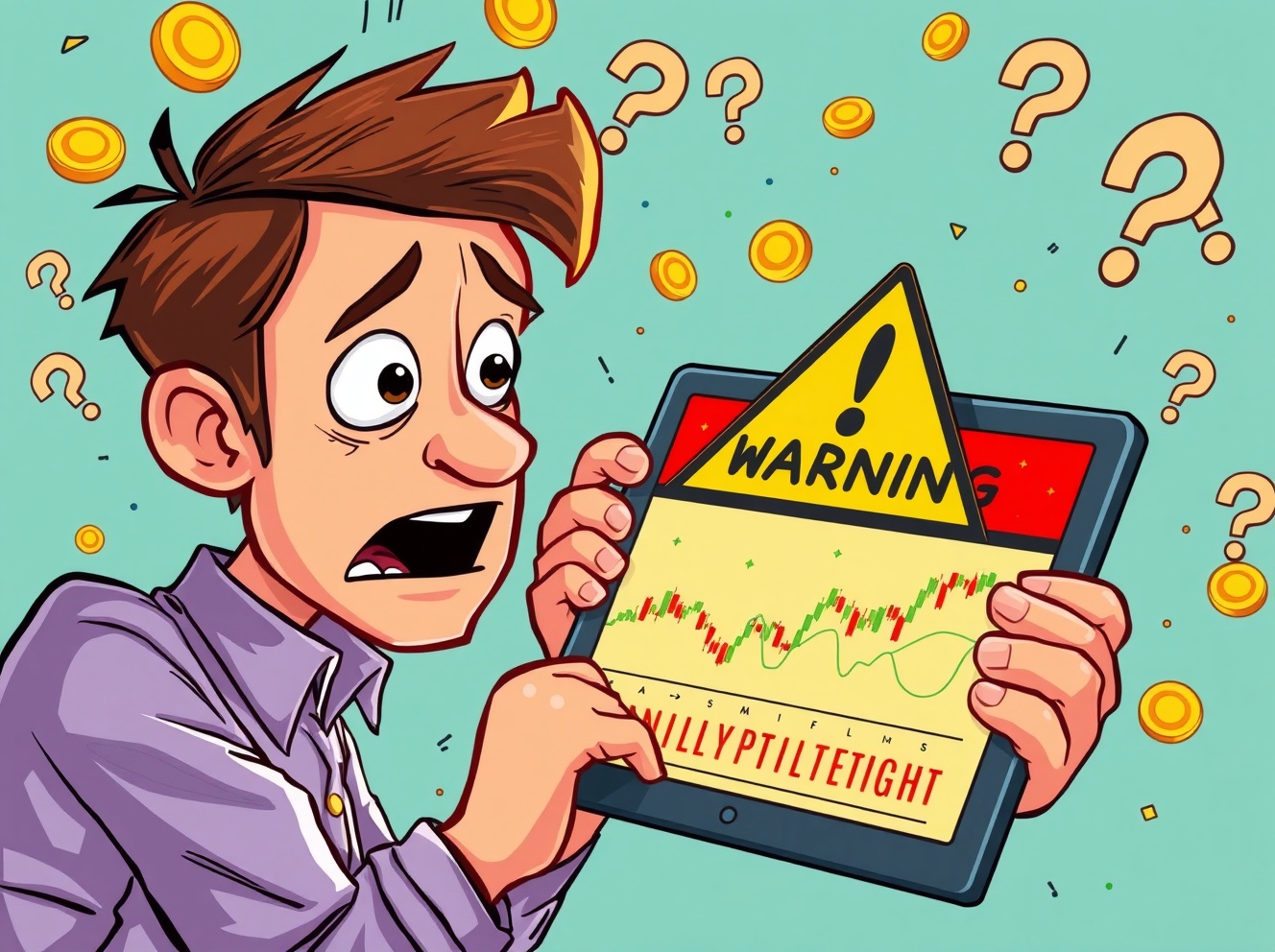
Urgent: Coinone Issues Critical Investment Warning for MAVIA Token
South Korean cryptocurrency exchange Coinone has just issued a serious investment warning for the Heroes of Mavia (MAVIA) token, sending shockwaves through the crypto community. This decisive action highlights growing concerns about project transparency and investor protection in the digital asset space. Let’s break down exactly what this Coinone investment warning means and why every MAVIA holder should pay attention.
Why Did Coinone Issue This MAVIA Investment Warning?
Coinone’s announcement came after a thorough review of the Heroes of Mavia project. The exchange identified several critical issues that prompted this protective measure. According to their official statement, the project failed to disclose information that could significantly impact the asset’s value in a timely manner. Furthermore, they found that the team made arbitrary changes without providing valid reasons to stakeholders.
The exchange’s comprehensive examination revealed numerous deficiencies in two key areas:
- Business viability concerns – Questions about the project’s long-term sustainability
- Disclosure problems – Inadequate or delayed information sharing with investors
What Does This MAVIA Warning Mean for Investors?
When a major exchange like Coinone issues an investment warning, it serves as a red flag for all market participants. This designation typically means the exchange has identified substantial risks that could lead to financial harm for users. For MAVIA holders, this development creates immediate uncertainty about the token’s future on the platform.
Coinone explicitly stated that their review confirmed “a potential for user harm,” which represents their highest level of concern. This isn’t a minor technical issue – it’s a fundamental question about the project’s management and transparency practices. Investors now face difficult decisions about whether to hold, sell, or seek more information about their MAVIA positions.
How Do Crypto Exchanges Protect Investors?
Exchanges like Coinone implement protective measures to maintain market integrity and protect their users. An investment warning represents one of their most serious actions short of delisting. This system helps create safer trading environments by flagging projects that demonstrate problematic behavior.
Other protective measures exchanges commonly use include:
- Trading suspensions during extreme volatility
- Enhanced due diligence for new listings
- Regular project reviews and audits
- Clear communication about identified risks
What Should MAVIA Investors Do Now?
If you hold MAVIA tokens, especially on Coinone, you need to approach this situation carefully. First, review the exchange’s official announcement for specific details about their concerns. Second, monitor the Heroes of Mavia team’s response – do they address the issues transparently? Third, consider diversifying your portfolio to manage risk during this period of uncertainty.
Remember that an exchange investment warning doesn’t necessarily mean a project will fail, but it does indicate serious problems that require resolution. The MAVIA team now faces pressure to improve their disclosure practices and demonstrate stronger business fundamentals to regain market confidence.
The Bigger Picture: Transparency in Crypto Projects
This Coinone investment warning for MAVIA highlights a crucial issue in cryptocurrency markets: the importance of transparent communication. Projects that fail to disclose material information or make unexplained changes create unnecessary risks for investors. As the industry matures, exchanges are taking stronger stands against such practices.
For the broader crypto ecosystem, increased scrutiny from exchanges represents positive development. It encourages better governance, clearer communication, and more sustainable project development. While painful in the short term for affected tokens, these measures ultimately create healthier markets for all participants.
The Coinone investment warning for MAVIA serves as a crucial reminder that due diligence remains essential in cryptocurrency investing. Exchanges can provide warnings, but ultimate responsibility lies with investors to research projects thoroughly and make informed decisions. As regulatory frameworks evolve and exchange standards tighten, transparency will increasingly separate sustainable projects from risky ventures.
Frequently Asked Questions
What exactly is an investment warning from Coinone?
An investment warning is a formal designation Coinone uses to alert users about tokens with identified risks. It indicates the exchange has found significant problems with a project’s disclosures or business viability that could harm investors.
Will Coinone delist MAVIA because of this warning?
Not necessarily. An investment warning typically comes before potential delisting. The MAVIA team now has an opportunity to address Coinone’s concerns. If they fail to make satisfactory improvements, delisting could follow.
Should I sell my MAVIA tokens immediately?
This depends on your risk tolerance and investment strategy. Consider the warning seriously, research the project’s response, and consult with financial advisors if needed. Many investors reduce positions in warned tokens until clarity emerges.
How common are investment warnings from crypto exchanges?
While not everyday occurrences, major exchanges issue warnings periodically when they identify serious issues. As the industry matures, exchanges are becoming more proactive about protecting users from problematic projects.
Can other exchanges issue similar warnings for MAVIA?
Yes, other exchanges monitoring the situation might conduct their own reviews. However, each exchange makes independent decisions based on their criteria and risk assessment processes.
Where can I find official updates about this situation?
Monitor Coinone’s official announcements page and the Heroes of Mavia project’s communication channels. Both should provide updates about any developments or resolutions to the identified issues.
Found this analysis helpful? Share this article with other crypto investors who need to understand the implications of exchange investment warnings. Your network will appreciate staying informed about important market developments that could affect their portfolios.
To learn more about cryptocurrency exchange policies and investor protection measures, explore our article on key developments shaping crypto regulation and market safety protocols.
This post Urgent: Coinone Issues Critical Investment Warning for MAVIA Token first appeared on BitcoinWorld.


Ayrıca Şunları da Beğenebilirsiniz
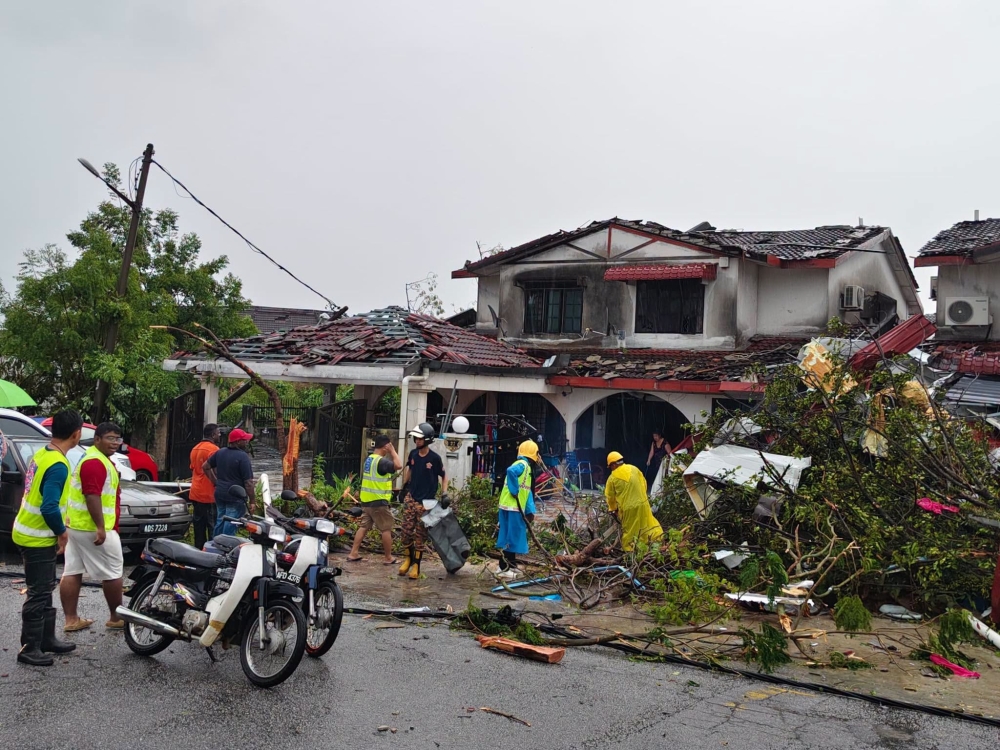
No deaths reported in Bercham storm that ripped up 248 homes, say Ipoh police
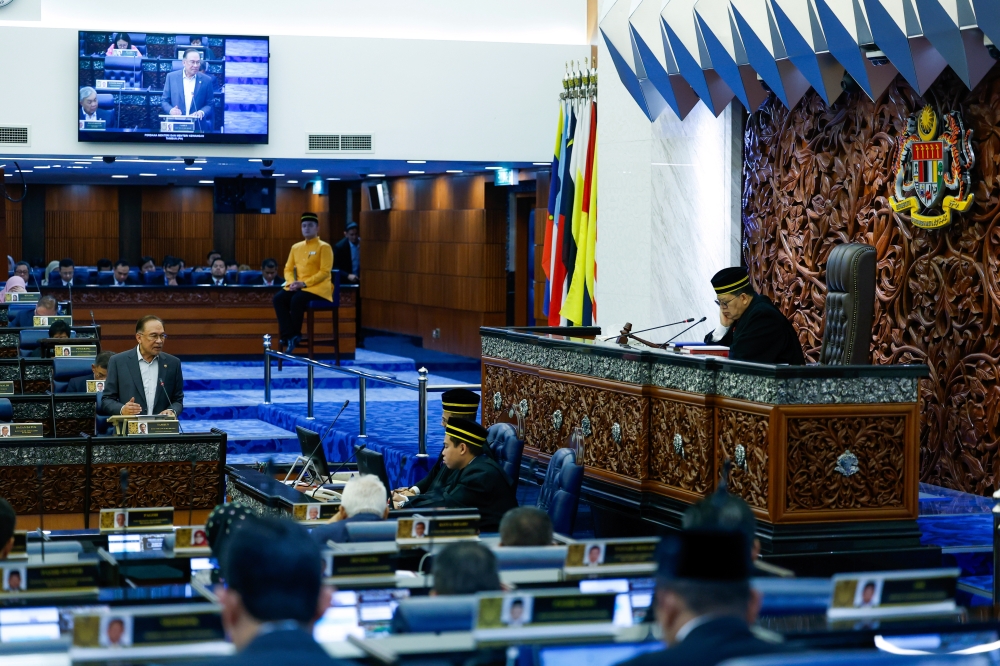
New cybercrime, anti-racing Bills to join two constitutional amendments when Parliament resumes Monday

Cunha scores twice as Brazil eliminate Haiti with 3-0 win


Popüler Haberler
Daha fazla
