Ethereum enters a decisive moment next week as the Fusaka Upgrade goes live across the network. Developers and node operators have spent months preparing for this release, which aims to deliver the most significant performance improvement the chain has seen in several years. The upgrade focuses on data availability, block capacity, and smoother execution for […]Ethereum enters a decisive moment next week as the Fusaka Upgrade goes live across the network. Developers and node operators have spent months preparing for this release, which aims to deliver the most significant performance improvement the chain has seen in several years. The upgrade focuses on data availability, block capacity, and smoother execution for […]

Ethereum Enters New Scaling Era with Upcoming Fusaka Rollout

2025/11/30 02:00
  • The Fusaka upgrade delivers major scalability gains essential for Ethereum’s growth into 2026.
  • PeerDAS reduces validator data loads, enabling faster, cheaper rollup operations network-wide.
  • Stronger L2 support boosts ecosystem throughput and stabilizes performance under heavy demand.

Ethereum enters a decisive moment next week as the Fusaka Upgrade goes live across the network. Developers and node operators have spent months preparing for this release, which aims to deliver the most significant performance improvement the chain has seen in several years. The upgrade focuses on data availability, block capacity, and smoother execution for rollup activity. 

These changes arrive at a critical time, as demand on Ethereum has grown faster than many expected. Users have pushed for lower costs, and builders have awaited a clear step toward long-term scale. Fusaka delivers that shift without altering Ethereum’s core roadmap.

It’s necessary to discuss one of the major shifts with the inception of PeerDAS. It’s capable of enabling validators to determine if blobs contain correct data without downloading blobs themselves but using blob sampling instead.

It significantly helps to reduce the loading on machines running nodes and shifts this burden more evenly throughout the network. Rollup networks begin enjoying benefits immediately because they heavily rely on large blobs for commitment purposes.

Also Read: Amundi Launches Tokenized Euro Money Market Fund on Ethereum

PeerDAS Boosts L2 Performance and Ethereum Capacity

PeerDAS further enhances the L2 infrastructure. Rollups rely on Ethereum for settling and posting data; however, these processes become expensive during times of congestion. The solution makes it cheaper to initiate these processes and has ushered in an era of increased throughput.

It is expected that the L2 infrastructure will experience seamless sequencing and faster finality with lower congestion times. There would be no change to the architecture of rollups, but it would offer them optimal infrastructure for scaling without experiencing the congestion patterns witnessed previously.

There’s also been an increase in block capacity. During peak times, blocks were reaching their capacity limit and taking longer to execute, which was costing more. The upgrade enhances block capacity to accommodate more activity related to large amounts of data associated with smart contracts, leading to more committed transactions per blockage window. With more capacity, developers don’t necessarily need to experience dramatic changes when there’s a surge.

Ethereum Enters a New Scaling Era with Fusaka

Fusaka comes at a time when Ethereum is conceptualizing more general objectives for the year 2026. These objectives include improved scaling layers with lower costs and more ease of adaptability for developers. The new scaling solution works towards meeting these objectives because it enhances scaling without modifying either developer tools or end-user experience. It strengthens the base layer while allowing rollups to handle growth more efficiently.

Next week’s release marks the start of a more scalable phase. With PeerDAS, larger block sizes, and enhanced rollup integration, Ethereum readies itself for more extensive utilization and growth. The Ethereum ecosystem embarks on this upgrade with high hopes and an unmistakable understanding that this upgrade holds significant importance.

Also Read: Vitalik Buterin Reveals Ethereum’s 5x Gas Limit Increase Strategy

Sorumluluk Reddi: Bu sitede yeniden yayınlanan makaleler, halka açık platformlardan alınmıştır ve yalnızca bilgilendirme amaçlıdır. MEXC'nin görüşlerini yansıtmayabilir. Tüm hakları telif sahiplerine aittir. Herhangi bir içeriğin üçüncü taraf haklarını ihlal ettiğini düşünüyorsanız, kaldırılması için lütfen service@support.mexc.com ile iletişime geçin. MEXC, içeriğin doğruluğu, eksiksizliği veya güncelliği konusunda hiçbir garanti vermez ve sağlanan bilgilere dayalı olarak alınan herhangi bir eylemden sorumlu değildir. İçerik, finansal, yasal veya diğer profesyonel tavsiye niteliğinde değildir ve MEXC tarafından bir tavsiye veya onay olarak değerlendirilmemelidir.

Ayrıca Şunları da Beğenebilirsiniz

The Channel Factories We’ve Been Waiting For
The Channel Factories We’ve Been Waiting For

The post The Channel Factories We’ve Been Waiting For appeared on BitcoinEthereumNews.com. Visions of future technology are often prescient about the broad strokes while flubbing the details. The tablets in “2001: A Space Odyssey” do indeed look like iPads, but you never see the astronauts paying for subscriptions or wasting hours on Candy Crush.  Channel factories are one vision that arose early in the history of the Lightning Network to address some challenges that Lightning has faced from the beginning. Despite having grown to become Bitcoin’s most successful layer-2 scaling solution, with instant and low-fee payments, Lightning’s scale is limited by its reliance on payment channels. Although Lightning shifts most transactions off-chain, each payment channel still requires an on-chain transaction to open and (usually) another to close. As adoption grows, pressure on the blockchain grows with it. The need for a more scalable approach to managing channels is clear. Channel factories were supposed to meet this need, but where are they? In 2025, subnetworks are emerging that revive the impetus of channel factories with some new details that vastly increase their potential. They are natively interoperable with Lightning and achieve greater scale by allowing a group of participants to open a shared multisig UTXO and create multiple bilateral channels, which reduces the number of on-chain transactions and improves capital efficiency. Achieving greater scale by reducing complexity, Ark and Spark perform the same function as traditional channel factories with new designs and additional capabilities based on shared UTXOs.  Channel Factories 101 Channel factories have been around since the inception of Lightning. A factory is a multiparty contract where multiple users (not just two, as in a Dryja-Poon channel) cooperatively lock funds in a single multisig UTXO. They can open, close and update channels off-chain without updating the blockchain for each operation. Only when participants leave or the factory dissolves is an on-chain transaction…
Paylaş
BitcoinEthereumNews2025/09/18 00:09
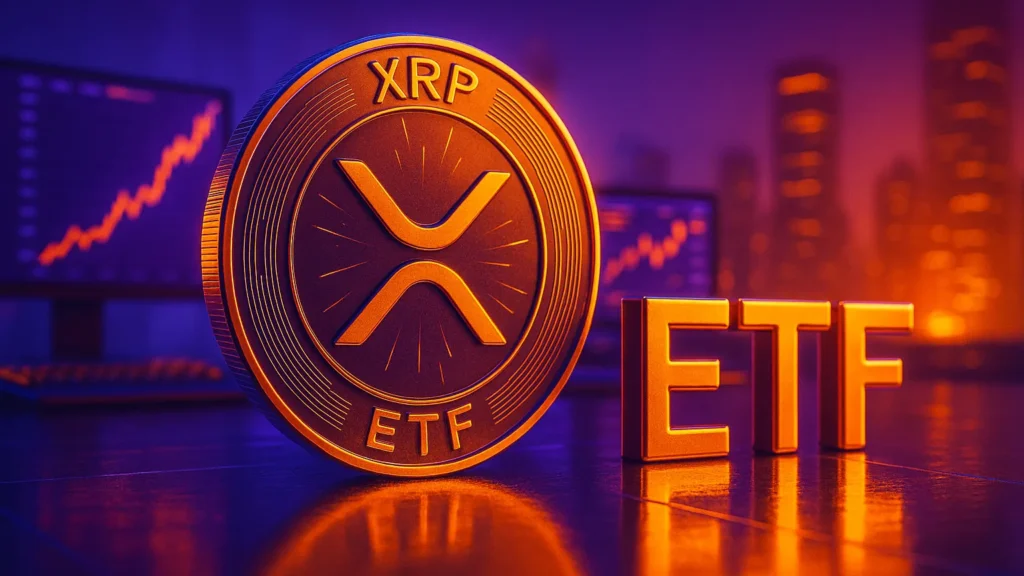
XRP ETF’s bereiken belangrijke mijlpaal: $1 miljard aan netto instroom

XRP ETF’s bereiken belangrijke mijlpaal: $1 miljard aan netto instroom

De markt voor crypto-exchange-traded funds (ETF’s) heeft opnieuw een belangrijke mijlpaal bereikt. XRP ETF’s hebben gezamenlijk meer dan 1 miljard dollar aan netto
Paylaş
Coinstats2025/12/16 21:01
XSGD And XUSD Launch On Solana’s Blazing Network In 2025

XSGD And XUSD Launch On Solana’s Blazing Network In 2025

The post XSGD And XUSD Launch On Solana’s Blazing Network In 2025 appeared on BitcoinEthereumNews.com. StraitsX Stablecoins Unleash Power: XSGD And XUSD Launch
Paylaş
BitcoinEthereumNews2025/12/16 20:59