With the launch of the new automated token burning program, Osmosis aims to execute a burn of 100 million OSMO tokens over the next 30 days.With the launch of the new automated token burning program, Osmosis aims to execute a burn of 100 million OSMO tokens over the next 30 days.

OSMO Token Burn: Over 8 Million Tokens Burned as Osmosis Introduces Automated Burn Mechanism
2025/11/14 16:00
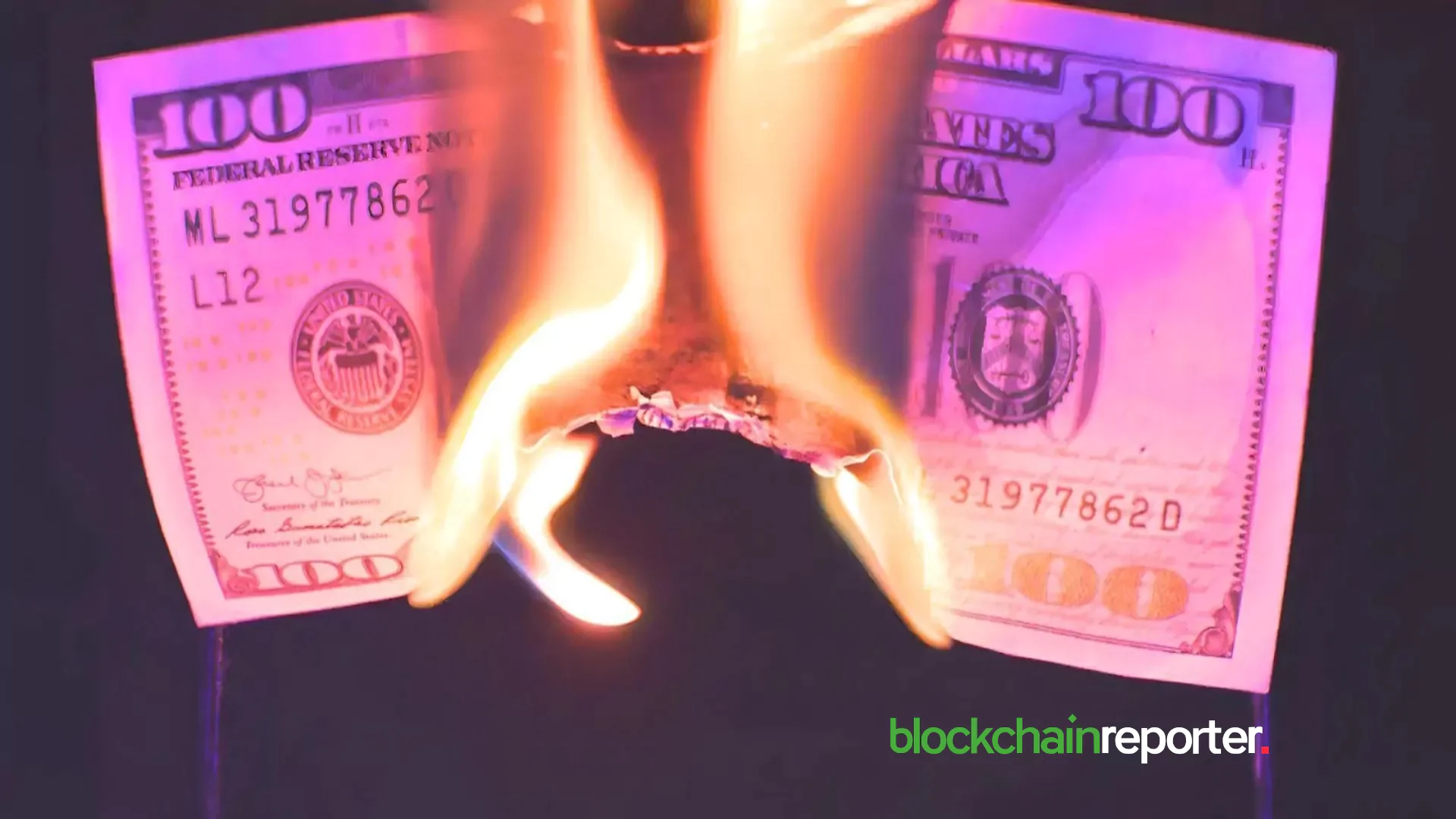
burning dollar 1

Osmosis, a decentralized exchange (DEX) and DeFi hub platform built on the Cosmos blockchain, today announced that over 8 million OSMO tokens have been burned and permanently removed from the circulating supply. Late last month, on October 26, 2025, the DeFi platform disclosed a token burning program aiming to decrease the circulating supply of OSMO. The protocol scheduled the first phase of 100 million tokens for burning and permanent removal over the next 30 days.

New Automated Osmosis Token Burn Mechanism: What it means

Beginning on Monday, November 10, 2025, Osmosis successfully implemented a new automated burn mechanism following the completion of the final manual burn from taker fees, according to data shared by market analyst Johnny Wyles.

This means that the token burning process now happens in two stages. The first phase (manual stage) involves coordinated changes across the protocol, with collaborations between validators and node operators. The second phase (powered by an autonomous system) runs multiple enhancements to bolster efficiency and reliability, with the automated burning process remaining a continuous process, not just a one-off event.

With the new automated program in place, the daily burn rate is approximately 79,000 OSMO tokens per day, which is equivalent to a monthly burn rate of 2.37 million tokens per month, according to the metrics reported by the analyst. This further translates to an annual burn rate of 28.84 million tokens per year. While this falls short of the target mentioned above, the automated token burn initiative (with time) will efficiently decrease the total market calculation of OSMO tokens. This exercise will improve the market perception of the scarcity of OSMO tokens and build the cornerstone for the price growth.

OSMO Price Analysis and Prediction

Despite the token burning program in progress, Osmosis has not experienced significant price movement. Its price, which currently stands at $0.100, has been down 2.5% and 5.5% in the last 24 hours and over the past week, respectively.

OSMOUSDThe current price of Osmosis is $0.100.

With the automated process, the protocol uses network fees to repurchase and burn OSMO, as a result will create a deflationary effect on supply and boost prices in the future. This supply reduction has the potential to bolster the price of OSMO to higher levels because it decreases the availability of tokens and increases scarcity.​

Sorumluluk Reddi: Bu sitede yeniden yayınlanan makaleler, halka açık platformlardan alınmıştır ve yalnızca bilgilendirme amaçlıdır. MEXC'nin görüşlerini yansıtmayabilir. Tüm hakları telif sahiplerine aittir. Herhangi bir içeriğin üçüncü taraf haklarını ihlal ettiğini düşünüyorsanız, kaldırılması için lütfen service@support.mexc.com ile iletişime geçin. MEXC, içeriğin doğruluğu, eksiksizliği veya güncelliği konusunda hiçbir garanti vermez ve sağlanan bilgilere dayalı olarak alınan herhangi bir eylemden sorumlu değildir. İçerik, finansal, yasal veya diğer profesyonel tavsiye niteliğinde değildir ve MEXC tarafından bir tavsiye veya onay olarak değerlendirilmemelidir.

Ayrıca Şunları da Beğenebilirsiniz

U.S. Court Finds Pastor Found Guilty in $3M Crypto Scam

U.S. Court Finds Pastor Found Guilty in $3M Crypto Scam

The post U.S. Court Finds Pastor Found Guilty in $3M Crypto Scam appeared on BitcoinEthereumNews.com. Crime 18 September 2025 | 04:05 A Colorado judge has brought closure to one of the state’s most unusual cryptocurrency scandals, declaring INDXcoin to be a fraudulent operation and ordering its founders, Denver pastor Eli Regalado and his wife Kaitlyn, to repay $3.34 million. The ruling, issued by District Court Judge Heidi L. Kutcher, came nearly two years after the couple persuaded hundreds of people to invest in their token, promising safety and abundance through a Christian-branded platform called the Kingdom Wealth Exchange. The scheme ran between June 2022 and April 2023 and drew in more than 300 participants, many of them members of local church networks. Marketing materials portrayed INDXcoin as a low-risk gateway to prosperity, yet the project unraveled almost immediately. The exchange itself collapsed within 24 hours of launch, wiping out investors’ money. Despite this failure—and despite an auditor’s damning review that gave the system a “0 out of 10” for security—the Regalados kept presenting it as a solid opportunity. Colorado regulators argued that the couple’s faith-based appeal was central to the fraud. Securities Commissioner Tung Chan said the Regalados “dressed an old scam in new technology” and used their standing within the Christian community to convince people who had little knowledge of crypto. For him, the case illustrates how modern digital assets can be exploited to replicate classic Ponzi-style tactics under a different name. Court filings revealed where much of the money ended up: luxury goods, vacations, jewelry, a Range Rover, high-end clothing, and even dental procedures. In a video that drew worldwide attention earlier this year, Eli Regalado admitted the funds had been spent, explaining that a portion went to taxes while the remainder was used for a home renovation he claimed was divinely inspired. The judgment not only confirms that INDXcoin qualifies as a…
Paylaş
BitcoinEthereumNews2025/09/18 09:14