Cryptocurrency ATMs Face Critical Ban in Haverhill, MA Over Fraud Concerns
BitcoinWorld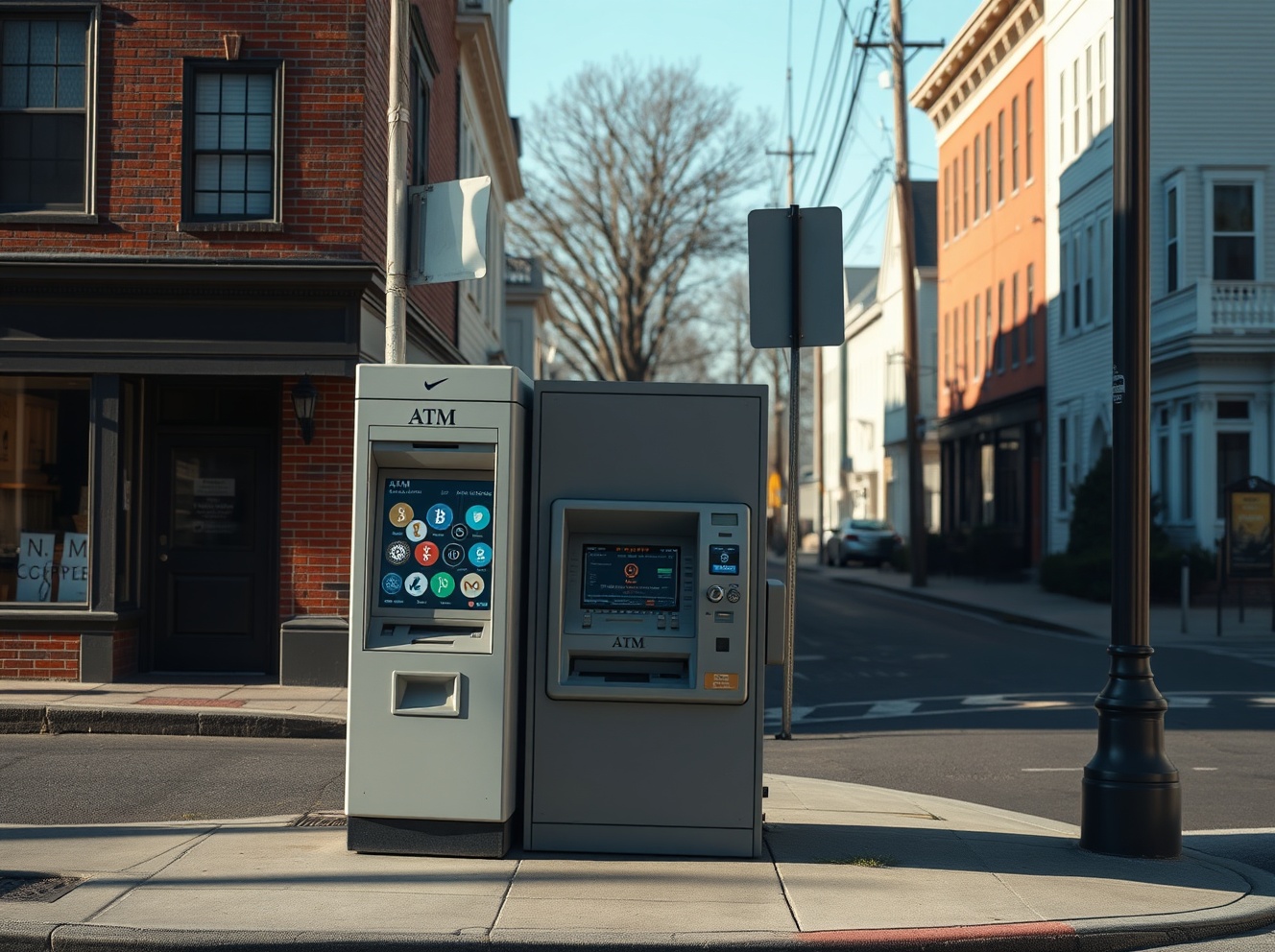
Cryptocurrency ATMs Face Critical Ban in Haverhill, MA Over Fraud Concerns
HAVERHILL, MA — February 2025 — The Haverhill City Council is currently weighing a groundbreaking ordinance that would ban cryptocurrency ATMs throughout the city, marking one of the most aggressive local regulatory moves against digital currency infrastructure in Massachusetts. This proposed measure follows growing concerns about financial fraud and money laundering risks associated with these machines.
Cryptocurrency ATM Ban Proposal Details
The proposed ordinance specifically targets all cryptocurrency kiosks and ATMs within Haverhill’s city limits. Council members introduced the measure after reviewing reports of potential vulnerabilities in these machines’ operations. The legislation would require removal of existing units within 60 days of passage. Furthermore, violators would face substantial daily fines of $300 for non-compliance.
Councilor John Melanson, the ordinance’s primary sponsor, emphasized the preventive nature of the proposal during recent committee hearings. He cited documented cases where cryptocurrency ATMs facilitated fraudulent transactions in other municipalities. Additionally, he referenced Federal Bureau of Investigation warnings about these machines’ potential misuse for illicit financial activities.
Regulatory Landscape and National Context
Haverhill’s proposed ban emerges within a broader national conversation about cryptocurrency ATM regulation. Currently, approximately 34,000 cryptocurrency ATMs operate across the United States according to Coin ATM Radar data. Massachusetts already maintains some of the nation’s strictest money transmitter regulations through its Division of Banks.
Several other municipalities have implemented restrictions on cryptocurrency ATMs in recent years. For instance, San Francisco banned new installations in 2023, while Chicago implemented zoning restrictions in 2024. However, Haverhill’s proposed complete prohibition represents a more aggressive approach than most previous municipal actions.
Expert Perspectives on Crypto ATM Regulation
Financial technology experts present diverse viewpoints on the proposed ban. Dr. Sarah Chen, a blockchain researcher at MIT, notes that cryptocurrency ATMs serve legitimate purposes for underbanked populations. “These machines provide access to digital currencies for individuals without traditional banking relationships,” she explains. “However, regulatory oversight remains essential for consumer protection.”
Conversely, Michael Rodriguez, a former federal financial crimes investigator, highlights documented risks. “Cryptocurrency ATMs present unique challenges for law enforcement,” Rodriguez states. “Their anonymous nature and rapid transaction capabilities create opportunities for bad actors. Municipalities must balance innovation with protection.”
Potential Economic and Community Impacts
The proposed ban could affect multiple stakeholders throughout Haverhill. Local business owners who host cryptocurrency ATMs might lose rental income from machine operators. Consumers who rely on these machines for cryptocurrency access would need alternative solutions. Additionally, the city might face legal challenges from affected businesses.
Industry representatives from the Crypto ATM Operators Association have expressed concerns about the proposal’s breadth. They advocate for regulatory frameworks rather than outright bans. “Responsible operators implement robust identity verification and transaction monitoring,” notes association spokesperson Lisa Thompson. “Blanket prohibitions eliminate legitimate business activity.”
Implementation Timeline and Next Steps
The Haverhill City Council will conduct public hearings throughout March 2025 before voting on the ordinance. Community members can submit written testimony or speak during designated sessions. The council’s Public Safety Committee will review the proposal first, then make recommendations to the full council.
If approved, the ordinance would take effect 30 days after passage. Existing cryptocurrency ATM operators would then have 60 days to remove their machines. City enforcement officials would conduct compliance checks and issue violation notices as needed. The table below outlines the proposed implementation timeline:
| Phase | Timeline | Actions |
|---|---|---|
| Public Hearings | March 2025 | Community input and expert testimony |
| Committee Review | April 2025 | Public Safety Committee recommendations |
| Council Vote | May 2025 | Final decision on ordinance |
| Implementation | 30 days after passage | Ordinance takes effect |
| Removal Period | 60 days after effective date | Existing ATMs must be removed |
Consumer Protection Considerations
Proponents of the ban emphasize consumer protection as their primary motivation. Cryptocurrency ATMs typically charge transaction fees ranging from 10% to 25%, significantly higher than traditional financial services. Moreover, these transactions generally lack the consumer protections available through regulated financial institutions.
The Massachusetts Attorney General’s Office has documented numerous complaints about cryptocurrency ATM-related fraud. Common schemes include impostor scams where fraudsters pose as government officials or family members in distress. Victims are often directed to deposit funds through cryptocurrency ATMs, making recovery nearly impossible.
Alternative Regulatory Approaches
Some experts suggest Haverhill could consider alternative regulatory models instead of an outright ban. Possible approaches include:
- Enhanced Licensing Requirements: Implementing special permits for cryptocurrency ATM operators with strict compliance standards
- Transaction Limits: Capping daily transaction amounts to reduce potential losses from fraud
- Location Restrictions: Prohibiting machines near vulnerable populations or in high-crime areas
- Educational Requirements: Mandating clear warning signs about potential fraud risks
Conclusion
The proposed cryptocurrency ATM ban in Haverhill, Massachusetts represents a significant development in local digital currency regulation. This measure reflects growing municipal concerns about consumer protection in the evolving cryptocurrency landscape. The council’s decision will establish important precedents for how cities address emerging financial technologies. Ultimately, Haverhill’s approach to cryptocurrency ATMs may influence regulatory discussions in municipalities nationwide.
FAQs
Q1: What exactly would the Haverhill ordinance ban?
The ordinance would prohibit all cryptocurrency ATMs and kiosks within Haverhill city limits, requiring removal of existing machines within 60 days of passage.
Q2: Why is Haverhill considering banning cryptocurrency ATMs?
Council members cite concerns about financial fraud, money laundering risks, and consumer protection vulnerabilities associated with these machines.
Q3: How many cryptocurrency ATMs currently operate in Haverhill?
While exact numbers aren’t publicly available, industry estimates suggest between 5-10 machines operate at various locations throughout the city.
Q4: What happens if someone violates the proposed ban?
Violators would face fines of $300 per day for each non-compliant machine, with enforcement conducted by city officials.
Q5: Are other cities considering similar cryptocurrency ATM restrictions?
Yes, several municipalities including San Francisco and Chicago have implemented various restrictions, though Haverhill’s proposed complete ban represents one of the most comprehensive approaches.
This post Cryptocurrency ATMs Face Critical Ban in Haverhill, MA Over Fraud Concerns first appeared on BitcoinWorld.
You May Also Like

FCA, crackdown on crypto

Mockery Is Chelsea And Liam Rosenior’s Biggest Enemy