

How Toyosi built a tech solution to the accessibility problems she grew up with
At age 4, Toyosi was diagnosed with a hearing loss. She grew up with the disappointment of not seeing young disabled people building careers, creating tech solutions, or shaping industries. Most of what she saw framed disability around healthcare limitations or old age.
For a long time, there were no stories or fewer initiatives that showed her what was possible, so she decided to create one.
Meet Toyosi Badejo-Okusanya, a deaf Nigerian technologist, accessibility strategist, and founder of Adaptive Atelier, a pioneering platform redefining how digital experiences are designed, tested, and experienced by disabled people.
Born in Lagos but based in London, Toyosi brings bold creativity, digital inclusion, and global strategy into every project she undertakes, blending lived experience with deep expertise in accessibility, marketing, and technology.
With a multidisciplinary background spanning global marketing, accessibility consulting, and brand strategy, her work ranges from leading accessible digital campaigns, advising on inclusive content strategy, to shaping visual merchandising, all rooted in her belief that accessibility is a strategic advantage, not a compliance checkbox.
As the founder of Adaptive Atelier, Toyosi built the Adaptive API. This is a tool that pairs AI with insights from disabled experts to help companies identify and resolve accessibility issues with precision, while creating paid opportunities for disabled professionals.
Her approach centres the expertise of the disabled community to ensure digital spaces are inclusive, usable, and genuinely equitable.
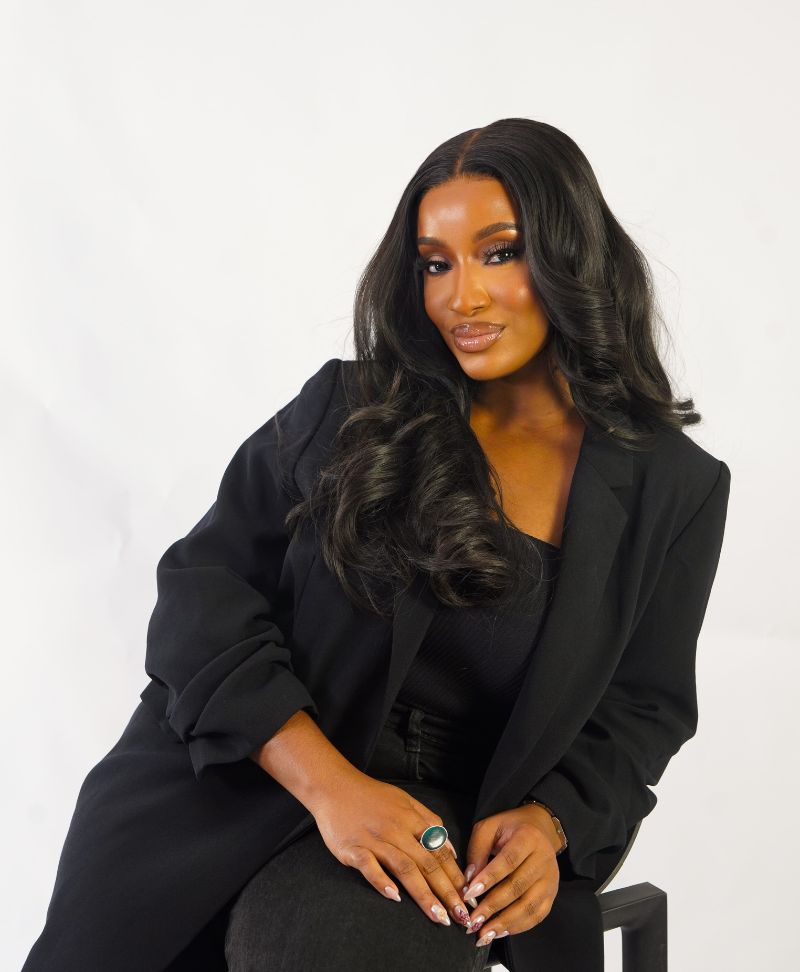 Toyosi Badejo-Okusanya
“Currently, I am focused on solving digital exclusion. Many websites and online platforms in Africa and beyond are not built for disabled people, cutting them off from jobs, education, banking, shopping, and essential information,” she said.
They built AdaptiveWiz and Adaptive Test to help businesses audit their websites and make them accessible to people with different disabilities. Adaptive Test goes further by engaging disabled people as consultants to test these websites, creating paid opportunities, reducing unemployment, and giving them agency over their work.
Through this work, she has built a community of 15,000 people by sharing stories, guidance, and inspiration for those navigating disabilities in professional and creative spaces.
“This matters in Africa’s tech ecosystem because it is still in its early stages of growth. We have the chance to build inclusive digital products from the start, rather than fixing accessibility later. Inclusive technology means better products, wider reach, and real economic opportunities for more people, empowering disabled communities while strengthening Africa’s tech landscape,” Toyosi said.
Beyond her company, Toyosi serves on the Advisory Board of SignHealth UK, the country’s largest employer of deaf people, contributing insights to shape disability inclusion in healthcare, government, and corporate policies.
Her leadership and storytelling reflect a vision of a world where accessibility is a standard, not a favour, and where technology empowers everyone, not just a select few.
Read also: Ola Bazan spent 26 years building Egypt’s Telecoms. Now she wants all of Africa
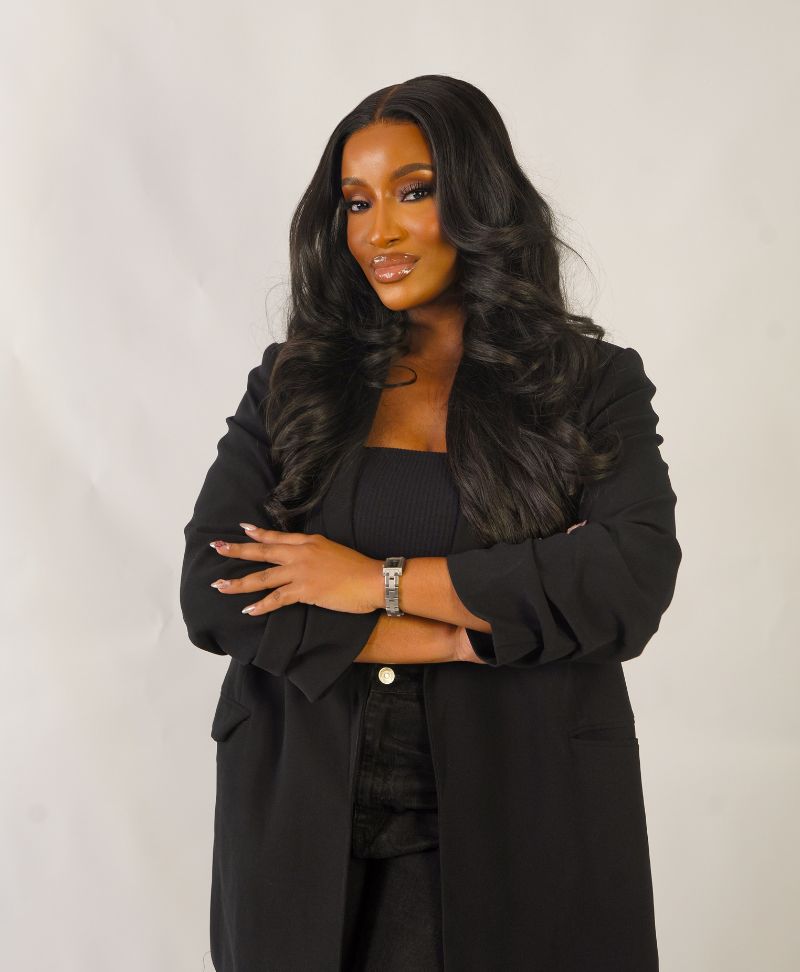 Toyosi
Toyosi on thriving and building in tech
Toyosi affirmed that her ability to translate lived experience into strategy, not just advocacy, is a major skill that has helped her in this journey so far.
“I don’t position deafness or disability as a limitation, but I use it as an analytical lens to identify structural gaps in products, platforms, and systems that others overlook. It allows me to spot accessibility failures early and bridge the gap between disabled users and gatekeepers,” She said.
Another skill is ethical leadership and clarity of purpose. She is clear that accessibility must benefit disabled people first, technology must be accountable, and visibility without impact isn’t enough.
“This ethical grounding is why people trust me and why institutions are willing to engage seriously with my work,” she emphasised.
She added that strategic communication and narrative building are other major skills. She is exceptionally strong at articulating why something matters, not just what it is.
This includes framing accessibility as a business and design imperative, speaking to executives, creatives, technologists, and communities without diluting her message and using storytelling to unlock buy-in where policy or compliance language fails.
This is why she makes decisions by listening first. Whether it’s users, her team, or an audience, she tries to understand their experiences, needs, and perspectives before acting. For users, this means talking to disabled people directly and learning from their real experiences.
She also relies on data and feedback. Numbers tell part of the story, but understanding how decisions impact people in real life matters most.
“I test, iterate, and adjust. Decisions are rarely perfect the first time, so I monitor the outcomes and make changes when needed. This approach helps me make thoughtful, practical, and inclusive choices,” Toyosi said.
However, one of the most challenging parts of her journey has been shifting how accessibility is perceived from something rooted in charity or pity to something understood as a serious business and systems problem worth investing in.
Early on, many conversations were framed around empathy alone. While emotion has its place, she quickly realised that lasting change requires moving beyond feeling to strategy, structure, and accountability.
"Building Adaptive Atelier meant learning to advocate not just from lived experience, but from a position of commercial clarity and long-term impact. This shift was difficult. It required me to constantly translate the value of accessibility in terms that institutions, brands, and decision-makers could act on without compromising the needs or dignity of disabled people,” Toyosi said.
She added that carrying this responsibility can feel heavy at times. She lives with the consciousness that opportunities for disabled people in employment, digital access, and participation are directly affected by whether this work succeeds.
At the same time, it has been incredibly fulfilling. She affirmed that it has taught her that with the problem-solving mindset, she can hold both emotional truth and strategic thinking at once, and will see things through even when progress is slow or uncomfortable.
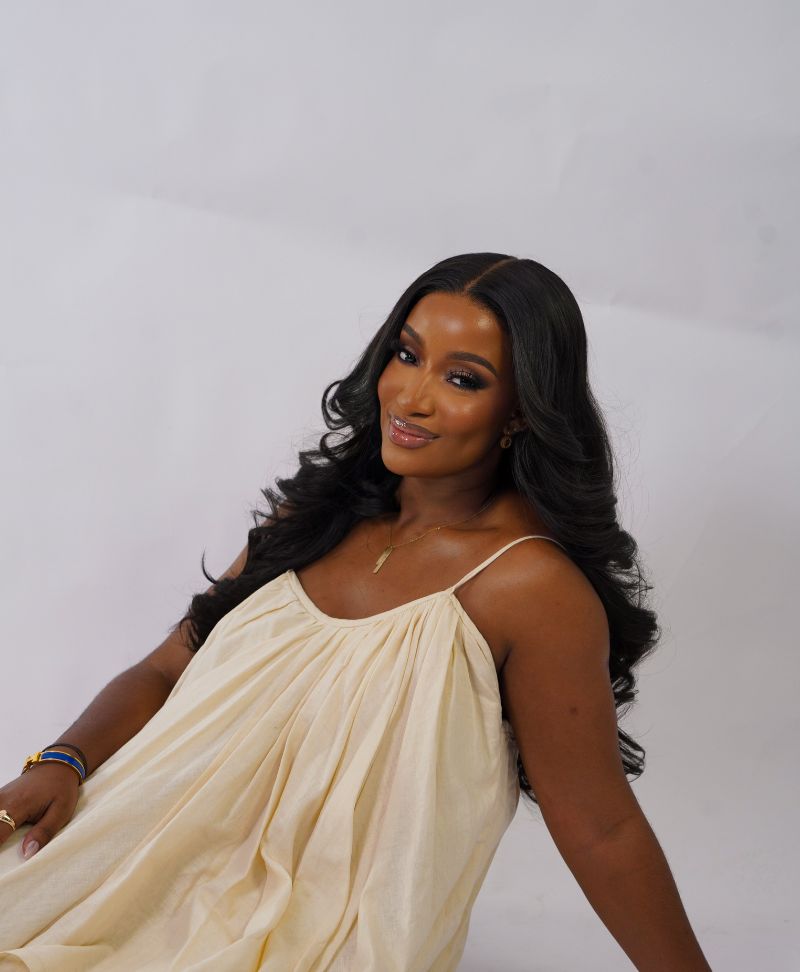 Toyosi
Final words and advice for young women in tech
The most pivotal decision Toyois made was choosing to move beyond storytelling and advocacy and into building a business that solves accessibility problems at scale. So her advice to anyone on a similar path is:
Most importantly, take your work seriously, even when others don’t at first. Believe that your ideas deserve space in tech. Consistency, patience, and courage matter more than perfection.
1. Start with the problem you understand deeply. Your lived experience, curiosity, and everyday challenges are not weaknesses; they are valuable insights. So pay attention to what frustrates you and ask how technology can make it better. 2. Don’t wait until you feel “ready.” Learn as you go. Ask questions, build small, and allow yourself to grow in public. You don’t need to know everything before you begin. 3. Find your community early. Surround yourself with people who support you, challenge you, and share knowledge. Mentors, peers, and collaborators will help you move faster and stay grounded.
Read also: Tech Trivia with Gloria Chimelu, Crypto Writer at Investopedia
The post How Toyosi built a tech solution to the accessibility problems she grew up with first appeared on Technext.
You May Also Like

Aave DAO to Shut Down 50% of L2s While Doubling Down on GHO

DeAgentAI releases new white paper, detailing $AIA token economics and staking model


