Iranian Foreign Minister Demands Permanent War End, Rejects Temporary Ceasefire in Critical Diplomatic Move
BitcoinWorld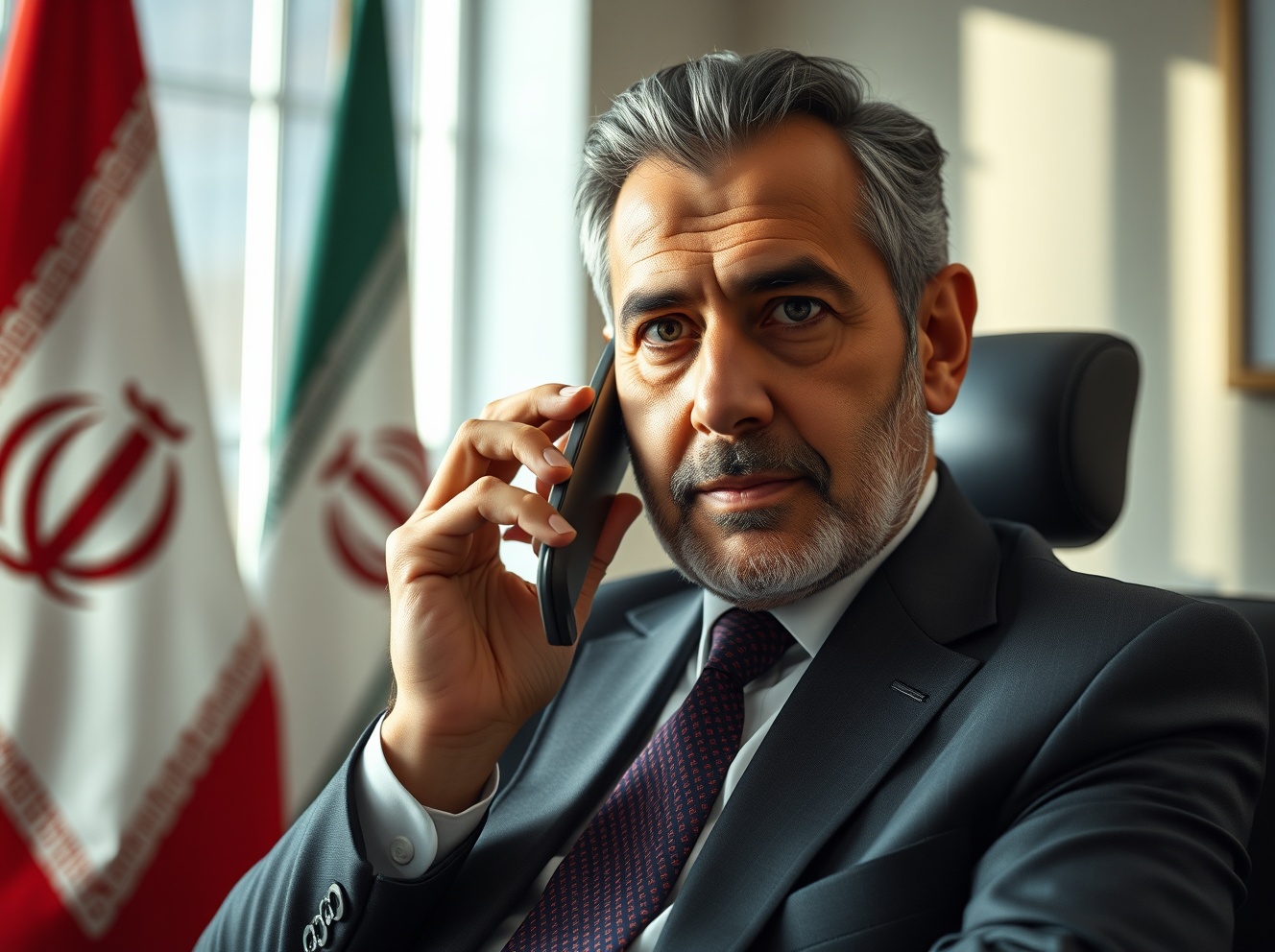
Iranian Foreign Minister Demands Permanent War End, Rejects Temporary Ceasefire in Critical Diplomatic Move
TEHRAN, Iran – In a significant diplomatic development, Iranian Foreign Minister Abbas Araghchi has declared Iran’s firm position against temporary conflict resolutions, demanding instead a comprehensive and permanent end to hostilities with ironclad security guarantees. This statement, delivered exclusively to Japan’s Kyodo News, represents a crucial shift in Iran’s diplomatic posture amid ongoing regional tensions.
Iran’s Unwavering Position on Permanent Conflict Resolution
Foreign Minister Araghchi articulated Iran’s definitive stance during a detailed phone interview with Kyodo News. He emphasized that Iran categorically rejects temporary ceasefire arrangements, which he described as insufficient band-aid solutions to deep-seated conflicts. Instead, Tehran demands a complete cessation of hostilities that addresses root causes rather than merely pausing violence. This position emerges against a backdrop of increasing international pressure for immediate de-escalation measures across the region.
Several key elements define Iran’s demands for permanent resolution. First, the agreement must include verifiable guarantees preventing future attacks against Iranian territory and interests. Second, compensation mechanisms must address the substantial damages Iran claims to have suffered. Third, the framework must establish monitoring systems ensuring compliance from all parties involved. These requirements reflect Iran’s strategic calculation that temporary arrangements often collapse, leading to renewed conflict cycles.
Historical Context of Iran-US Relations and Conflict Patterns
The current diplomatic position builds upon decades of complex Iran-US relations. Since the 1979 Islamic Revolution, relations between Tehran and Washington have experienced multiple cycles of tension and limited engagement. The Joint Comprehensive Plan of Action (JCPOA) in 2015 represented a high point in diplomatic relations, but subsequent US withdrawal in 2018 created renewed distrust. This historical context explains Iran’s insistence on permanent rather than temporary solutions.
Expert Analysis of Diplomatic Strategy
International relations experts note that Iran’s position reflects several strategic calculations. Dr. Fatima Al-Mansouri, Middle East analyst at the Gulf Research Center, explains: “Iran seeks to leverage current international concern about regional stability to secure lasting protections. Their demand for permanence represents both a negotiating position and a genuine security concern based on historical experience with temporary arrangements.” This analysis aligns with patterns observed in previous Iranian diplomatic approaches, where Tehran often seeks comprehensive frameworks over incremental solutions.
The timing of this announcement coincides with increased diplomatic activity across the Middle East. Several nations have initiated mediation efforts, while international organizations push for humanitarian pauses. Iran’s clear articulation of its minimum requirements provides both clarity and potential challenges for these diplomatic initiatives. Negotiators must now balance immediate humanitarian concerns with long-term structural solutions.
International Response and Diplomatic Implications
Initial international reactions to Iran’s position have been mixed. Some diplomatic sources express concern that demanding permanent solutions might delay immediate humanitarian relief. Others welcome the clarity, noting that understanding all parties’ bottom lines facilitates more effective negotiation. The United Nations Security Council has scheduled emergency consultations to discuss the implications of Iran’s stated position.
Key diplomatic implications include:
- Negotiation Framework: Iran’s demands establish clear parameters for future talks
- Regional Dynamics: Neighboring states must adjust their diplomatic approaches
- International Law: The demand for compensation raises complex legal questions
- Verification Mechanisms: Permanent solutions require robust monitoring systems
Regional powers have begun positioning themselves in response to Iran’s declaration. Saudi Arabia and the United Arab Emirates have called for inclusive regional dialogue, while Israel has emphasized security concerns. European Union foreign policy chief Josep Borrell has announced plans to visit Tehran for direct consultations, highlighting the international importance of Iran’s position.
Economic and Humanitarian Dimensions of Permanent Peace
A permanent resolution carries significant economic implications for Iran and the broader region. Years of conflict and sanctions have strained Iran’s economy, with inflation reaching record levels and currency values fluctuating dramatically. A stable peace framework could potentially unlock foreign investment and facilitate economic recovery. However, the path from declaration to implementation remains uncertain.
Humanitarian organizations emphasize that while permanent solutions are ideal, immediate measures remain necessary. The International Committee of the Red Cross has documented severe humanitarian impacts across conflict zones, with civilian populations bearing the heaviest burdens. Medical facilities report critical shortages of supplies, while displacement camps face overcrowding and inadequate services.
Legal Framework for Compensation Claims
Iran’s demand for compensation introduces complex legal considerations. International law provides mechanisms for war reparations, but their application requires careful adjudication. Historical precedents include the United Nations Compensation Commission established after the Gulf War, which processed millions of claims. Similar mechanisms might be necessary if Iran’s demands progress toward implementation.
The compensation issue intersects with broader questions of accountability and transitional justice. Legal experts note that successful compensation frameworks typically require:
- Clear attribution of responsibility for damages
- Transparent assessment methodologies
- Independent verification processes
- Agreed payment mechanisms and timelines
Conclusion
Iran’s unequivocal demand for a permanent end to hostilities represents a pivotal moment in regional diplomacy. Foreign Minister Araghchi’s rejection of temporary ceasefire arrangements establishes clear negotiating parameters while reflecting Iran’s strategic assessment of its security needs. The international community now faces the complex task of balancing immediate humanitarian concerns with the pursuit of lasting structural solutions. As diplomatic efforts intensify, Iran’s position will significantly influence the shape and substance of peace initiatives across the Middle East, with implications extending far beyond regional borders to affect global security architecture and international relations frameworks.
FAQs
Q1: What exactly is Iran demanding instead of a temporary ceasefire?
Iran demands a comprehensive, permanent end to hostilities that includes guarantees against future attacks and compensation for damages suffered, rejecting any temporary or interim arrangements.
Q2: Why does Iran reject temporary ceasefire agreements?
Iran views temporary ceasefires as insufficient solutions that often collapse, leading to renewed conflict cycles without addressing underlying security concerns or providing lasting protection.
Q3: What specific guarantees does Iran seek against future attacks?
While details remain unspecified, Iran likely seeks verifiable security assurances, possibly involving international monitoring mechanisms and formal agreements with enforcement provisions.
Q4: How have other countries responded to Iran’s position?
Responses have been mixed, with some welcoming the clarity for negotiations while others express concern that demanding permanent solutions might delay immediate humanitarian relief measures.
Q5: What are the main obstacles to achieving Iran’s proposed permanent solution?
Key obstacles include establishing verification mechanisms, determining compensation amounts and sources, building trust among conflicting parties, and creating enforcement systems that all sides accept.
This post Iranian Foreign Minister Demands Permanent War End, Rejects Temporary Ceasefire in Critical Diplomatic Move first appeared on BitcoinWorld.
You May Also Like

XRP price analysis: Can XRP break out as whales decline?

Why Theme Consistency Matters in shadcn/ui