BitcoinWorld Gold Price Recovery: How Escalating Middle East Tensions Fuel Safe-Haven Surge Global gold markets witnessed a significant recovery this week as escalatingBitcoinWorld Gold Price Recovery: How Escalating Middle East Tensions Fuel Safe-Haven Surge Global gold markets witnessed a significant recovery this week as escalating

Gold Price Recovery: How Escalating Middle East Tensions Fuel Safe-Haven Surge

2026/03/20 13:55
7 min read
For feedback or concerns regarding this content, please contact us at crypto.news@mexc.com

BitcoinWorld
BitcoinWorld
Gold Price Recovery: How Escalating Middle East Tensions Fuel Safe-Haven Surge

Global gold markets witnessed a significant recovery this week as escalating tensions in the Middle East triggered renewed safe-haven demand among investors. The precious metal regained ground following recent declines, demonstrating its traditional role during geopolitical uncertainty. Market analysts observed substantial buying activity across major exchanges, particularly in London and New York trading sessions. This movement reflects broader concerns about regional stability and its potential impact on global financial markets. Furthermore, institutional investors increased their gold allocations as risk aversion strategies gained prominence.

Gold Price Recovery Analysis and Market Movements

Gold prices climbed approximately 2.3% during the latest trading session, recovering from a three-week low. The spot price reached $2,350 per ounce, while December futures contracts showed similar upward momentum. Trading volumes exceeded 30-day averages by 18%, indicating substantial institutional participation. Market data reveals particular strength in Asian trading hours, where demand traditionally responds quickly to geopolitical developments. Additionally, gold mining stocks experienced correlated gains, with major producers seeing share price increases between 3-5%.

Historical patterns suggest gold typically outperforms during Middle East conflicts. For instance, during the 1990 Gulf War, gold prices surged 17% over three months. Similarly, the 2014 ISIS crisis prompted a 9% increase within six weeks. Current movements align with these historical precedents, though modern markets react more rapidly due to electronic trading. Market technicians note gold has reclaimed its 50-day moving average, a key technical level watched by algorithmic traders. This technical recovery often precedes further gains if geopolitical concerns persist.

Regional Impact and Market Responses

Middle Eastern investors themselves contributed significantly to the demand surge. Gulf sovereign wealth funds reportedly increased gold allocations by 15-20% across their portfolios. Meanwhile, retail demand in Turkey and Egypt jumped approximately 25% week-over-week. These regional responses demonstrate how local investors use gold as both a safe haven and inflation hedge. European and North American investors followed similar patterns, though with more emphasis on exchange-traded funds (ETFs).

Safe-Haven Demand Drivers in Current Geopolitical Climate

Several specific factors drove the safe-haven demand increase. First, diplomatic tensions between regional powers intensified significantly. Second, shipping disruptions in critical waterways affected global trade routes. Third, energy market volatility created broader economic uncertainty. These interconnected factors prompted investors to seek traditional stores of value. Gold’s historical performance during similar periods provided additional justification for portfolio adjustments.

The relationship between geopolitical risk and gold demand follows established economic principles. During uncertainty, investors reduce exposure to riskier assets like stocks. They simultaneously increase allocations to perceived safe havens. Gold particularly benefits because it maintains value during currency fluctuations. Unlike government bonds, gold carries no counterparty risk. This characteristic becomes especially important during international tensions.

Gold Performance During Recent Geopolitical Events
Event Timeframe Gold Price Change Primary Driver
2022 Ukraine Conflict First Month +8.2% Energy Security Concerns
2019 US-Iran Tensions Two Weeks +5.7% Military Confrontation Fears
2015 Yemen Conflict One Month +4.1% Regional Instability
Current Middle East Tensions One Week +2.3% Multiple Escalating Factors

Expert Perspectives on Market Dynamics

Financial institutions provided detailed analysis of current market conditions. JPMorgan analysts noted gold’s correlation with geopolitical risk indicators reached its highest level since 2020. Goldman Sachs researchers highlighted how central bank buying patterns reinforced the price recovery. Meanwhile, World Gold Council data showed global reserves increased by 42 tons last month alone. These institutional perspectives help explain the market’s structural support.

Middle East Tensions and Their Economic Implications

The specific geopolitical developments involved multiple regional actors. Recent incidents included military deployments and diplomatic standoffs. Energy infrastructure concerns added another layer of complexity. Oil prices responded with parallel increases, creating inflationary pressures. These conditions historically benefit gold as both a hedge and alternative asset. The situation remains fluid, with diplomatic efforts continuing alongside military posturing.

Regional economic impacts extend beyond precious metals. Currency markets experienced volatility, particularly in emerging market currencies. Bond yields fluctuated as investors reassessed risk premiums. Equity markets showed sector-specific reactions, with defense and energy stocks gaining while consumer discretionary shares declined. This broader market context explains why gold attracted diversified interest.

  • Immediate Effects: Flight-to-quality movements, increased volatility, trading volume spikes
  • Medium-Term Considerations: Inflation expectations, currency impacts, portfolio rebalancing
  • Long-Term Implications: Strategic reserve allocations, mining investment, alternative financial systems

Historical Context and Pattern Recognition

Financial historians identify consistent patterns in gold’s response to Middle East conflicts. The 1973 oil crisis triggered a 72% gold price increase over twelve months. The 1979 Iranian Revolution produced a 37% gain within six months. More recently, the 2003 Iraq invasion preceded a 15% rise during the buildup period. Current movements appear more moderate initially but follow similar psychological and economic drivers.

Precious Metals Market Structure and Participants

The gold market operates through multiple interconnected channels. Physical markets involve bullion dealers, refiners, and storage facilities. Paper markets include futures, options, and exchange-traded products. Different participants dominate each segment. Central banks focus on physical reserves for diversification purposes. Hedge funds typically trade futures for tactical positioning. Retail investors increasingly use ETFs for convenient exposure.

Market infrastructure has evolved significantly in recent decades. Electronic trading platforms now handle most transactions. Clearing and settlement systems ensure efficient processing. Regulatory frameworks provide transparency and oversight. These developments make markets more responsive to geopolitical events. Price discovery occurs faster than during previous regional conflicts.

Supply Chain Considerations and Mining Impact

Gold mining operations face unique challenges during geopolitical tensions. Some major producers operate in politically sensitive regions. Supply chain disruptions can affect production and transportation. Security costs often increase during periods of instability. These factors potentially constrain physical supply while demand increases. The resulting supply-demand imbalance provides fundamental support for price increases.

Global Economic Interconnections and Spillover Effects

The gold market recovery reflects broader economic concerns. Inflation expectations have risen alongside energy prices. Currency markets show dollar strength against most currencies except traditional havens. Bond markets indicate changing interest rate expectations. These interconnected movements create a complex financial landscape. Gold serves as a common denominator across these various concerns.

International trade patterns influence gold flows between regions. Asian markets typically import physical gold during uncertainty. Western markets often increase paper gold positions. Middle Eastern markets balance between local demand and international investment. These regional differences create arbitrage opportunities that sophisticated traders exploit. The resulting trading activity contributes to price discovery and liquidity.

Conclusion

Gold’s price recovery demonstrates its enduring role as a safe-haven asset during geopolitical uncertainty. Middle East tensions triggered substantial demand increases across multiple investor categories. Market movements followed historical patterns while incorporating modern trading dynamics. The precious metals market structure facilitated efficient price discovery during volatile conditions. Looking forward, gold prices will likely remain sensitive to geopolitical developments and their economic implications. This gold price recovery highlights how traditional assets maintain relevance in contemporary financial systems.

FAQs

Q1: How quickly do gold prices typically respond to geopolitical events?
Gold markets often react within hours of significant developments, with electronic trading enabling immediate price adjustments. Major moves usually consolidate over several days as additional market participants respond.

Q2: What percentage of a portfolio should investors allocate to gold during tensions?
Financial advisors typically recommend 5-10% allocations for diversification, though specific percentages depend on individual risk tolerance, investment horizon, and overall portfolio composition.

Q3: Do other precious metals show similar safe-haven characteristics?
Silver sometimes correlates with gold during crises but with greater volatility. Platinum and palladium respond more to industrial demand than geopolitical factors, making them less reliable safe havens.

Q4: How do central banks influence gold markets during geopolitical events?
Central banks often increase gold reserve purchases during uncertainty, providing substantial demand. Their actions signal confidence in gold’s stability and can accelerate price movements.

Q5: Can geopolitical-driven gold price increases persist after tensions ease?
Prices often retain some gains as investors remain cautious, but typically retrace partially when immediate threats diminish. Structural factors like inflation and currency movements then become primary drivers.

This post Gold Price Recovery: How Escalating Middle East Tensions Fuel Safe-Haven Surge first appeared on BitcoinWorld.

Market Opportunity
Fuel Logo
Fuel Price(FUEL)
$0.00109
$0.00109$0.00109
0.00%
USD
Fuel (FUEL) Live Price Chart
Disclaimer: The articles reposted on this site are sourced from public platforms and are provided for informational purposes only. They do not necessarily reflect the views of MEXC. All rights remain with the original authors. If you believe any content infringes on third-party rights, please contact crypto.news@mexc.com for removal. MEXC makes no guarantees regarding the accuracy, completeness, or timeliness of the content and is not responsible for any actions taken based on the information provided. The content does not constitute financial, legal, or other professional advice, nor should it be considered a recommendation or endorsement by MEXC.

You May Also Like

Trump-backed WLFI  launches AgentPay SDK open-source payment toolkit for AI agents

Trump-backed WLFI  launches AgentPay SDK open-source payment toolkit for AI agents

The Trump family has expanded its presence in the crypto community with a major development for artificial intelligence (AI) agents. According to reports, World
Share
Cryptopolitan2026/03/20 19:03
Summarize Any Stock’s Earnings Call in Seconds Using FMP API
Summarize Any Stock’s Earnings Call in Seconds Using FMP API

Turn lengthy earnings call transcripts into one-page insights using the Financial Modeling Prep APIPhoto by Bich Tran Earnings calls are packed with insights. They tell you how a company performed, what management expects in the future, and what analysts are worried about. The challenge is that these transcripts often stretch across dozens of pages, making it tough to separate the key takeaways from the noise. With the right tools, you don’t need to spend hours reading every line. By combining the Financial Modeling Prep (FMP) API with Groq’s lightning-fast LLMs, you can transform any earnings call into a concise summary in seconds. The FMP API provides reliable access to complete transcripts, while Groq handles the heavy lifting of distilling them into clear, actionable highlights. In this article, we’ll build a Python workflow that brings these two together. You’ll see how to fetch transcripts for any stock, prepare the text, and instantly generate a one-page summary. Whether you’re tracking Apple, NVIDIA, or your favorite growth stock, the process works the same — fast, accurate, and ready whenever you are. Fetching Earnings Transcripts with FMP API The first step is to pull the raw transcript data. FMP makes this simple with dedicated endpoints for earnings calls. If you want the latest transcripts across the market, you can use the stable endpoint /stable/earning-call-transcript-latest. For a specific stock, the v3 endpoint lets you request transcripts by symbol, quarter, and year using the pattern: https://financialmodelingprep.com/api/v3/earning_call_transcript/{symbol}?quarter={q}&year={y}&apikey=YOUR_API_KEY here’s how you can fetch NVIDIA’s transcript for a given quarter: import requestsAPI_KEY = "your_api_key"symbol = "NVDA"quarter = 2year = 2024url = f"https://financialmodelingprep.com/api/v3/earning_call_transcript/{symbol}?quarter={quarter}&year={year}&apikey={API_KEY}"response = requests.get(url)data = response.json()# Inspect the keysprint(data.keys())# Access transcript contentif "content" in data[0]: transcript_text = data[0]["content"] print(transcript_text[:500]) # preview first 500 characters The response typically includes details like the company symbol, quarter, year, and the full transcript text. If you aren’t sure which quarter to query, the “latest transcripts” endpoint is the quickest way to always stay up to date. Cleaning and Preparing Transcript Data Raw transcripts from the API often include long paragraphs, speaker tags, and formatting artifacts. Before sending them to an LLM, it helps to organize the text into a cleaner structure. Most transcripts follow a pattern: prepared remarks from executives first, followed by a Q&A session with analysts. Separating these sections gives better control when prompting the model. In Python, you can parse the transcript and strip out unnecessary characters. A simple way is to split by markers such as “Operator” or “Question-and-Answer.” Once separated, you can create two blocks — Prepared Remarks and Q&A — that will later be summarized independently. This ensures the model handles each section within context and avoids missing important details. Here’s a small example of how you might start preparing the data: import re# Example: using the transcript_text we fetched earliertext = transcript_text# Remove extra spaces and line breaksclean_text = re.sub(r'\s+', ' ', text).strip()# Split sections (this is a heuristic; real-world transcripts vary slightly)if "Question-and-Answer" in clean_text: prepared, qna = clean_text.split("Question-and-Answer", 1)else: prepared, qna = clean_text, ""print("Prepared Remarks Preview:\n", prepared[:500])print("\nQ&A Preview:\n", qna[:500]) With the transcript cleaned and divided, you’re ready to feed it into Groq’s LLM. Chunking may be necessary if the text is very long. A good approach is to break it into segments of a few thousand tokens, summarize each part, and then merge the summaries in a final pass. Summarizing with Groq LLM Now that the transcript is clean and split into Prepared Remarks and Q&A, we’ll use Groq to generate a crisp one-pager. The idea is simple: summarize each section separately (for focus and accuracy), then synthesize a final brief. Prompt design (concise and factual) Use a short, repeatable template that pushes for neutral, investor-ready language: You are an equity research analyst. Summarize the following earnings call sectionfor {symbol} ({quarter} {year}). Be factual and concise.Return:1) TL;DR (3–5 bullets)2) Results vs. guidance (what improved/worsened)3) Forward outlook (specific statements)4) Risks / watch-outs5) Q&A takeaways (if present)Text:<<<{section_text}>>> Python: calling Groq and getting a clean summary Groq provides an OpenAI-compatible API. Set your GROQ_API_KEY and pick a fast, high-quality model (e.g., a Llama-3.1 70B variant). We’ll write a helper to summarize any text block, then run it for both sections and merge. import osimport textwrapimport requestsGROQ_API_KEY = os.environ.get("GROQ_API_KEY") or "your_groq_api_key"GROQ_BASE_URL = "https://api.groq.com/openai/v1" # OpenAI-compatibleMODEL = "llama-3.1-70b" # choose your preferred Groq modeldef call_groq(prompt, temperature=0.2, max_tokens=1200): url = f"{GROQ_BASE_URL}/chat/completions" headers = { "Authorization": f"Bearer {GROQ_API_KEY}", "Content-Type": "application/json", } payload = { "model": MODEL, "messages": [ {"role": "system", "content": "You are a precise, neutral equity research analyst."}, {"role": "user", "content": prompt}, ], "temperature": temperature, "max_tokens": max_tokens, } r = requests.post(url, headers=headers, json=payload, timeout=60) r.raise_for_status() return r.json()["choices"][0]["message"]["content"].strip()def build_prompt(section_text, symbol, quarter, year): template = """ You are an equity research analyst. Summarize the following earnings call section for {symbol} ({quarter} {year}). Be factual and concise. Return: 1) TL;DR (3–5 bullets) 2) Results vs. guidance (what improved/worsened) 3) Forward outlook (specific statements) 4) Risks / watch-outs 5) Q&A takeaways (if present) Text: <<< {section_text} >>> """ return textwrap.dedent(template).format( symbol=symbol, quarter=quarter, year=year, section_text=section_text )def summarize_section(section_text, symbol="NVDA", quarter="Q2", year="2024"): if not section_text or section_text.strip() == "": return "(No content found for this section.)" prompt = build_prompt(section_text, symbol, quarter, year) return call_groq(prompt)# Example usage with the cleaned splits from Section 3prepared_summary = summarize_section(prepared, symbol="NVDA", quarter="Q2", year="2024")qna_summary = summarize_section(qna, symbol="NVDA", quarter="Q2", year="2024")final_one_pager = f"""# {symbol} Earnings One-Pager — {quarter} {year}## Prepared Remarks — Key Points{prepared_summary}## Q&A Highlights{qna_summary}""".strip()print(final_one_pager[:1200]) # preview Tips that keep quality high: Keep temperature low (≈0.2) for factual tone. If a section is extremely long, chunk at ~5–8k tokens, summarize each chunk with the same prompt, then ask the model to merge chunk summaries into one section summary before producing the final one-pager. If you also fetched headline numbers (EPS/revenue, guidance) earlier, prepend them to the prompt as brief context to help the model anchor on the right outcomes. Building the End-to-End Pipeline At this point, we have all the building blocks: the FMP API to fetch transcripts, a cleaning step to structure the data, and Groq LLM to generate concise summaries. The final step is to connect everything into a single workflow that can take any ticker and return a one-page earnings call summary. The flow looks like this: Input a stock ticker (for example, NVDA). Use FMP to fetch the latest transcript. Clean and split the text into Prepared Remarks and Q&A. Send each section to Groq for summarization. Merge the outputs into a neatly formatted earnings one-pager. Here’s how it comes together in Python: def summarize_earnings_call(symbol, quarter, year, api_key, groq_key): # Step 1: Fetch transcript from FMP url = f"https://financialmodelingprep.com/api/v3/earning_call_transcript/{symbol}?quarter={quarter}&year={year}&apikey={api_key}" resp = requests.get(url) resp.raise_for_status() data = resp.json() if not data or "content" not in data[0]: return f"No transcript found for {symbol} {quarter} {year}" text = data[0]["content"] # Step 2: Clean and split clean_text = re.sub(r'\s+', ' ', text).strip() if "Question-and-Answer" in clean_text: prepared, qna = clean_text.split("Question-and-Answer", 1) else: prepared, qna = clean_text, "" # Step 3: Summarize with Groq prepared_summary = summarize_section(prepared, symbol, quarter, year) qna_summary = summarize_section(qna, symbol, quarter, year) # Step 4: Merge into final one-pager return f"""# {symbol} Earnings One-Pager — {quarter} {year}## Prepared Remarks{prepared_summary}## Q&A Highlights{qna_summary}""".strip()# Example runprint(summarize_earnings_call("NVDA", 2, 2024, API_KEY, GROQ_API_KEY)) With this setup, generating a summary becomes as simple as calling one function with a ticker and date. You can run it inside a notebook, integrate it into a research workflow, or even schedule it to trigger after each new earnings release. Free Stock Market API and Financial Statements API... Conclusion Earnings calls no longer need to feel overwhelming. With the Financial Modeling Prep API, you can instantly access any company’s transcript, and with Groq LLM, you can turn that raw text into a sharp, actionable summary in seconds. This pipeline saves hours of reading and ensures you never miss the key results, guidance, or risks hidden in lengthy remarks. Whether you track tech giants like NVIDIA or smaller growth stocks, the process is the same — fast, reliable, and powered by the flexibility of FMP’s data. Summarize Any Stock’s Earnings Call in Seconds Using FMP API was originally published in Coinmonks on Medium, where people are continuing the conversation by highlighting and responding to this story
Share
Medium2025/09/18 14:40
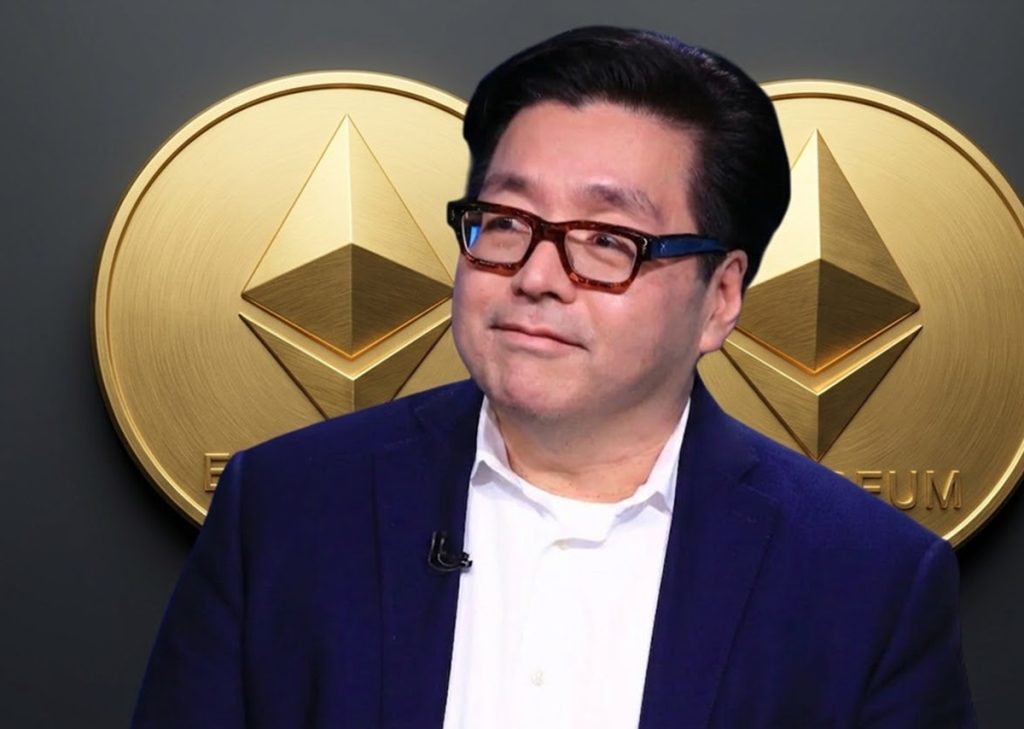
Tom Lee Declares That Ethereum Has Bottomed Out

Tom Lee Declares That Ethereum Has Bottomed Out

Experienced analyst Tom Lee conducted an in-depth analysis of the Ethereum price. Here are some of the highlights from Lee's findings. Continue Reading: Tom Lee
Share
Bitcoinsistemi2026/03/20 19:05