

Bitcoin Depot Faces Stunning Shutdown: Connecticut Orders World’s Largest Bitcoin ATM Operator to Cease Operations

BitcoinWorld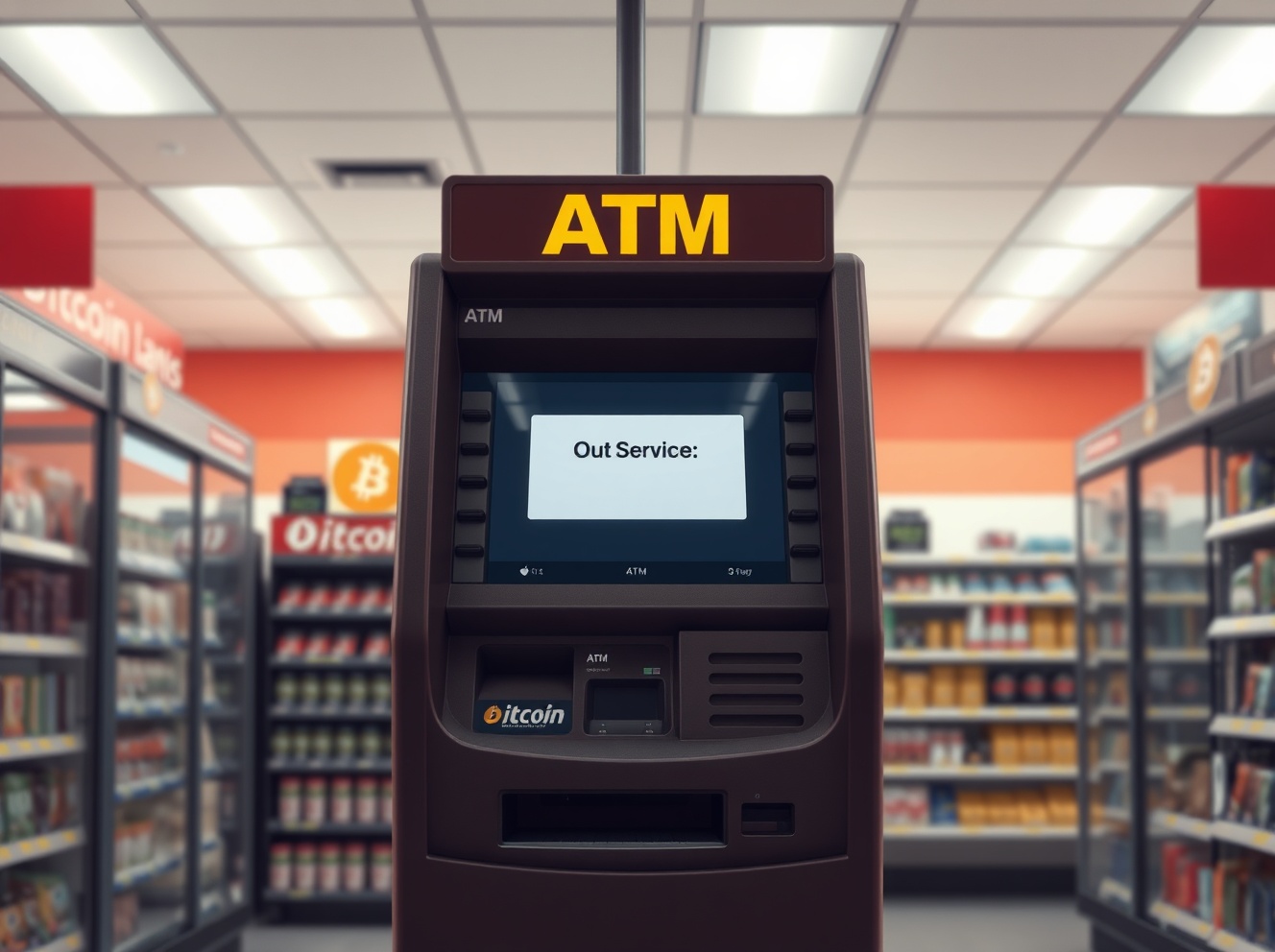
Bitcoin Depot Faces Stunning Shutdown: Connecticut Orders World’s Largest Bitcoin ATM Operator to Cease Operations
HARTFORD, Connecticut – State banking regulators delivered a significant blow to cryptocurrency accessibility this week, issuing a formal cease-and-desist order against Bitcoin Depot, the world’s largest Bitcoin ATM operator. The enforcement action, confirmed on Tuesday, stems from allegations that the Nasdaq-listed company charged excessive fees exceeding Connecticut’s legal 15% cap at some kiosks. This regulatory move immediately impacts dozens of Bitcoin Depot terminals across the state, potentially affecting thousands of users who rely on these machines for cryptocurrency transactions.
Bitcoin Depot Regulatory Violations Detailed
The Connecticut Department of Banking conducted a comprehensive investigation into Bitcoin Depot’s operations throughout 2024. Subsequently, regulators discovered multiple instances where the company allegedly charged transaction fees surpassing the state-mandated 15% limit. Furthermore, affected customers reportedly did not receive full refunds for these overcharges. The department’s enforcement division documented these violations through transaction records and consumer complaints. Connecticut law explicitly caps fees for money transmission services, including cryptocurrency transactions, at 15% of the principal amount. Bitcoin Depot, which operates approximately 7,000 kiosks globally, maintains a significant presence in Connecticut through partnerships with convenience stores and retail locations.
The cease-and-desist order requires Bitcoin Depot to immediately halt all operations within Connecticut. Additionally, the company must provide regulators with a complete list of affected customers and the amounts they were overcharged. The department also demands a comprehensive refund plan for all impacted users. This enforcement action represents one of the most significant state-level crackdowns on a major cryptocurrency ATM operator to date. Regulators emphasized their commitment to protecting consumers in the rapidly evolving digital asset marketplace.
Cryptocurrency ATM Regulatory Landscape
The cryptocurrency ATM industry has experienced explosive growth alongside Bitcoin’s mainstream adoption. However, regulatory frameworks have struggled to keep pace with this technological expansion. Currently, cryptocurrency kiosks operate under a patchwork of state regulations rather than a unified federal framework. Connecticut joins several other states that have implemented specific fee caps for cryptocurrency transactions. Notably, these regulations often treat cryptocurrency ATMs similarly to traditional money transmission services.
Expert Analysis on Regulatory Enforcement
Financial regulation experts note that Connecticut’s action against Bitcoin Depot signals increasing regulatory scrutiny of cryptocurrency infrastructure. “This enforcement demonstrates that state regulators are actively monitoring cryptocurrency accessibility points,” explained Dr. Miranda Chen, a fintech regulation professor at Yale University. “The focus on fee transparency and consumer protection aligns with broader financial services oversight principles. Moreover, this case establishes an important precedent for how existing money transmission laws apply to cryptocurrency transactions.”
The table below illustrates how cryptocurrency ATM regulations vary across key states:
| State | Fee Cap | Registration Required | Consumer Disclosure Rules |
|---|---|---|---|
| Connecticut | 15% | Yes | Full fee disclosure before transaction |
| New York | Variable | BitLicense required | Extensive disclosure requirements |
| Texas | No specific cap | Money transmission license | Basic fee disclosure |
| California | No specific cap | Money transmission license | Transaction receipt required |
Industry analysts highlight several key implications from Connecticut’s enforcement action:
- Consumer Protection Priority: Regulators increasingly focus on fee transparency and fair pricing
- Compliance Costs: Cryptocurrency operators face rising expenses for regulatory adherence
- Market Consolidation: Smaller operators may struggle with complex compliance requirements
- Innovation Balance: Regulations must protect consumers without stifling technological advancement
Bitcoin Depot’s Corporate Response and Impact
Bitcoin Depot, which went public through a SPAC merger in July 2023, now faces significant operational challenges in Connecticut. The company’s stock (NASDAQ: BTM) reacted negatively to the regulatory news, dropping approximately 8% in after-hours trading. Bitcoin Depot executives issued a brief statement acknowledging the order and expressing their commitment to resolving the matter cooperatively. “We take regulatory compliance seriously and are reviewing the Connecticut Department of Banking’s findings,” the statement read. “Our team is working diligently to address these concerns while maintaining service in other markets.”
The shutdown affects an estimated 45 Bitcoin Depot kiosks across Connecticut, primarily located in:
- Urban convenience stores
- Gas stations
- Shopping centers
- Transportation hubs
Regular users of these machines now face reduced access to cryptocurrency purchase options. Consequently, some may turn to alternative platforms, including online exchanges and competing ATM operators. However, industry observers note that Connecticut’s enforcement action could prompt similar investigations in other states with comparable fee regulations.
Historical Context and Industry Evolution
Cryptocurrency ATMs first appeared in 2013, providing physical access points for digital asset transactions. The industry grew rapidly, with global kiosk numbers exceeding 38,000 by early 2025. Bitcoin Depot emerged as the market leader through aggressive expansion and retail partnerships. However, regulatory attention intensified as consumer complaints about fees and transparency increased. Several states, including Colorado and New Jersey, previously issued warnings to cryptocurrency ATM operators about fee disclosures. Connecticut’s cease-and-desist order represents the most severe enforcement action against a major operator to date.
The cryptocurrency ATM industry faces several ongoing challenges:
- Regulatory Fragmentation: Varying state requirements create compliance complexity
- Consumer Education: Many users misunderstand fee structures and exchange rates
- Security Concerns: Physical kiosks present unique security challenges
- Market Volatility: Cryptocurrency price fluctuations affect transaction volumes
Future Regulatory Developments
Financial regulators nationwide are closely monitoring Connecticut’s enforcement action. The Consumer Financial Protection Bureau (CFPB) recently indicated increased interest in cryptocurrency service providers. Additionally, the Financial Crimes Enforcement Network (FinCEN) continues to emphasize anti-money laundering compliance for cryptocurrency ATMs. Industry associations, including the Cryptocurrency Compliance Cooperative, are developing standardized best practices for operators. These developments suggest that comprehensive federal regulations may emerge within the next two years.
Conclusion
Connecticut’s cease-and-desist order against Bitcoin Depot marks a pivotal moment in cryptocurrency regulation. The enforcement action underscores state regulators’ commitment to consumer protection in digital asset markets. Furthermore, this development highlights the growing tension between technological innovation and regulatory oversight. As the cryptocurrency industry matures, operators must prioritize compliance alongside expansion. The Bitcoin Depot case will likely influence regulatory approaches nationwide, potentially leading to more standardized fee structures and disclosure requirements. Ultimately, this enforcement action reinforces that cryptocurrency accessibility must balance innovation with consumer safeguards.
FAQs
Q1: What specific violations did Connecticut regulators find at Bitcoin Depot?
Regulators discovered that Bitcoin Depot charged transaction fees exceeding Connecticut’s 15% legal limit at some kiosks. Additionally, affected customers did not receive full refunds for these overcharges, violating state consumer protection regulations.
Q2: How many Bitcoin Depot kiosks are affected by this shutdown order?
Approximately 45 Bitcoin Depot kiosks across Connecticut must immediately cease operations. These machines are primarily located in convenience stores, gas stations, and shopping centers throughout the state.
Q3: What happens to customers who were overcharged by Bitcoin Depot?
Connecticut regulators have ordered Bitcoin Depot to identify all affected customers and provide full refunds for excessive fees. The company must submit a comprehensive refund plan to the Department of Banking for approval.
Q4: Does this enforcement action affect Bitcoin Depot operations in other states?
The cease-and-desist order applies only to Connecticut operations. However, regulators in other states may review their own Bitcoin Depot kiosks for similar violations, potentially leading to broader investigations.
Q5: What alternatives exist for Connecticut residents seeking to purchase cryptocurrency?
Consumers can use online cryptocurrency exchanges, competing ATM operators with proper licensing, or peer-to-peer trading platforms. However, all options involve different fee structures and regulatory compliance levels.
This post Bitcoin Depot Faces Stunning Shutdown: Connecticut Orders World’s Largest Bitcoin ATM Operator to Cease Operations first appeared on BitcoinWorld.
You May Also Like

Wall Street bets on stablecoins as mastercard BVNK deal signals $1.8 billion shift in payments

XRP Classified as Digital Commodity by SEC & CFTC

