A unit of Ant Group is reportedly tying more than 60b yuan, or about $8.4b, of energy infrastructure and power assets to its blockchain, marking one of the most ambitious real-world applications of digital ledgers in China. Bloomberg reported Tuesday that Ant Digital Technologies, the enterprise arm of the Jack Ma-backed fintech giant, has linked more than 15m devices such as wind turbines and solar panels to its AntChain platform. The system records power output and monitors outages, creating an immutable stream of data from the grid. The company has already taken steps beyond tracking. It has issued tokens tied to some of those assets and used them to raise capital. Financing worth about 300m yuan ($42m) has been secured for three clean energy projects through the new structure. By cutting traditional financial intermediaries out of the process, companies can use tokenization to raise money more efficiently. Instead of going through loan officers and underwriters, project operators can offer digital tokens directly to investors that represent fractional ownership or revenue rights. Ant Digital Channels 300M Yuan Into Renewables Through Tokenized Assets Ant Digital has tested this model with offshore investors. In August last year, it helped Longshine Technology Group, a Shenzhen-listed energy firm, raise 100m yuan. More than 9,000 of the company’s charging units were linked to AntChain. A few months later, it arranged over 200m yuan in funding for GCL Energy Technology by connecting its photovoltaic assets to the blockchain. In total, Ant Digital has already tied over 60b yuan of energy-related assets to AntChain, giving the initiative a scale that stands out in the global tokenization push. Executives are now weighing whether to extend the approach to offshore exchanges to create liquidity for the tokens, Bloomberg said. The plans remain tentative and depend heavily on regulatory clearance. Global Tokenization Still Nascent But Momentum Builds Tokenization of energy assets is still in its early days globally. Yet interest has been growing as regulators in markets such as the US and Europe have introduced clearer frameworks for digital assets, while blockchains like Ethereum and Polygon have matured enough to support automated compliance. Other companies are experimenting in parallel. Securitize has brought equities and bonds onto blockchain rails, Ondo Finance and BlackRock’s BUIDL product are focusing on tokenized Treasuries, and RealT and Lofty are offering fractional real estate. These developments suggest a broader shift toward digitizing real-world assets, with Ant’s push adding energy infrastructure to the mix. Ant Reinvents Itself Through Cross-Border Financial Services For Ant, blockchain has become a cornerstone of its international strategy. The firm is best known for running Alipay, but since Beijing halted its record IPO in 2020 and curtailed its online lending business, it has shifted focus to cross-border payments and enterprise services. As of June, the company was exploring stablecoin licenses in hubs such as Singapore and Hong Kong. Its Whale blockchain already processes a share of the more than $1 trillion that Ant’s global payments platform handled last year. The pivot shows how Ant is trying to reinvent itself after regulatory setbacks at home. By linking clean energy projects to its blockchain, the company is betting that tokenization can draw in new investors and accelerate the flow of capital into infrastructure. Turning energy output into tradable digital assets could open financing channels that were once reserved for large institutions, widening access at a time when China is racing to expand its renewable power capacityA unit of Ant Group is reportedly tying more than 60b yuan, or about $8.4b, of energy infrastructure and power assets to its blockchain, marking one of the most ambitious real-world applications of digital ledgers in China. Bloomberg reported Tuesday that Ant Digital Technologies, the enterprise arm of the Jack Ma-backed fintech giant, has linked more than 15m devices such as wind turbines and solar panels to its AntChain platform. The system records power output and monitors outages, creating an immutable stream of data from the grid. The company has already taken steps beyond tracking. It has issued tokens tied to some of those assets and used them to raise capital. Financing worth about 300m yuan ($42m) has been secured for three clean energy projects through the new structure. By cutting traditional financial intermediaries out of the process, companies can use tokenization to raise money more efficiently. Instead of going through loan officers and underwriters, project operators can offer digital tokens directly to investors that represent fractional ownership or revenue rights. Ant Digital Channels 300M Yuan Into Renewables Through Tokenized Assets Ant Digital has tested this model with offshore investors. In August last year, it helped Longshine Technology Group, a Shenzhen-listed energy firm, raise 100m yuan. More than 9,000 of the company’s charging units were linked to AntChain. A few months later, it arranged over 200m yuan in funding for GCL Energy Technology by connecting its photovoltaic assets to the blockchain. In total, Ant Digital has already tied over 60b yuan of energy-related assets to AntChain, giving the initiative a scale that stands out in the global tokenization push. Executives are now weighing whether to extend the approach to offshore exchanges to create liquidity for the tokens, Bloomberg said. The plans remain tentative and depend heavily on regulatory clearance. Global Tokenization Still Nascent But Momentum Builds Tokenization of energy assets is still in its early days globally. Yet interest has been growing as regulators in markets such as the US and Europe have introduced clearer frameworks for digital assets, while blockchains like Ethereum and Polygon have matured enough to support automated compliance. Other companies are experimenting in parallel. Securitize has brought equities and bonds onto blockchain rails, Ondo Finance and BlackRock’s BUIDL product are focusing on tokenized Treasuries, and RealT and Lofty are offering fractional real estate. These developments suggest a broader shift toward digitizing real-world assets, with Ant’s push adding energy infrastructure to the mix. Ant Reinvents Itself Through Cross-Border Financial Services For Ant, blockchain has become a cornerstone of its international strategy. The firm is best known for running Alipay, but since Beijing halted its record IPO in 2020 and curtailed its online lending business, it has shifted focus to cross-border payments and enterprise services. As of June, the company was exploring stablecoin licenses in hubs such as Singapore and Hong Kong. Its Whale blockchain already processes a share of the more than $1 trillion that Ant’s global payments platform handled last year. The pivot shows how Ant is trying to reinvent itself after regulatory setbacks at home. By linking clean energy projects to its blockchain, the company is betting that tokenization can draw in new investors and accelerate the flow of capital into infrastructure. Turning energy output into tradable digital assets could open financing channels that were once reserved for large institutions, widening access at a time when China is racing to expand its renewable power capacity

Jack Ma–Backed Ant Group Unit Leverages Blockchain for $8B Energy Asset Overhaul

2025/09/09 12:24
3 min read

A unit of Ant Group is reportedly tying more than 60b yuan, or about $8.4b, of energy infrastructure and power assets to its blockchain, marking one of the most ambitious real-world applications of digital ledgers in China.

Bloomberg reported Tuesday that Ant Digital Technologies, the enterprise arm of the Jack Ma-backed fintech giant, has linked more than 15m devices such as wind turbines and solar panels to its AntChain platform. The system records power output and monitors outages, creating an immutable stream of data from the grid.

The company has already taken steps beyond tracking. It has issued tokens tied to some of those assets and used them to raise capital. Financing worth about 300m yuan ($42m) has been secured for three clean energy projects through the new structure.

By cutting traditional financial intermediaries out of the process, companies can use tokenization to raise money more efficiently. Instead of going through loan officers and underwriters, project operators can offer digital tokens directly to investors that represent fractional ownership or revenue rights.

Ant Digital Channels 300M Yuan Into Renewables Through Tokenized Assets

Ant Digital has tested this model with offshore investors. In August last year, it helped Longshine Technology Group, a Shenzhen-listed energy firm, raise 100m yuan.

More than 9,000 of the company’s charging units were linked to AntChain. A few months later, it arranged over 200m yuan in funding for GCL Energy Technology by connecting its photovoltaic assets to the blockchain.

In total, Ant Digital has already tied over 60b yuan of energy-related assets to AntChain, giving the initiative a scale that stands out in the global tokenization push.

Executives are now weighing whether to extend the approach to offshore exchanges to create liquidity for the tokens, Bloomberg said. The plans remain tentative and depend heavily on regulatory clearance.

Global Tokenization Still Nascent But Momentum Builds

Tokenization of energy assets is still in its early days globally. Yet interest has been growing as regulators in markets such as the US and Europe have introduced clearer frameworks for digital assets, while blockchains like Ethereum and Polygon have matured enough to support automated compliance.

Other companies are experimenting in parallel. Securitize has brought equities and bonds onto blockchain rails, Ondo Finance and BlackRock’s BUIDL product are focusing on tokenized Treasuries, and RealT and Lofty are offering fractional real estate.

These developments suggest a broader shift toward digitizing real-world assets, with Ant’s push adding energy infrastructure to the mix.

Ant Reinvents Itself Through Cross-Border Financial Services

For Ant, blockchain has become a cornerstone of its international strategy. The firm is best known for running Alipay, but since Beijing halted its record IPO in 2020 and curtailed its online lending business, it has shifted focus to cross-border payments and enterprise services.

As of June, the company was exploring stablecoin licenses in hubs such as Singapore and Hong Kong. Its Whale blockchain already processes a share of the more than $1 trillion that Ant’s global payments platform handled last year.

The pivot shows how Ant is trying to reinvent itself after regulatory setbacks at home. By linking clean energy projects to its blockchain, the company is betting that tokenization can draw in new investors and accelerate the flow of capital into infrastructure.

Turning energy output into tradable digital assets could open financing channels that were once reserved for large institutions, widening access at a time when China is racing to expand its renewable power capacity.

Market Opportunity
Mind-AI Logo
Mind-AI Price(MA)
$0.0001558
$0.0001558$0.0001558
+0.32%
USD
Mind-AI (MA) Live Price Chart
Disclaimer: The articles reposted on this site are sourced from public platforms and are provided for informational purposes only. They do not necessarily reflect the views of MEXC. All rights remain with the original authors. If you believe any content infringes on third-party rights, please contact service@support.mexc.com for removal. MEXC makes no guarantees regarding the accuracy, completeness, or timeliness of the content and is not responsible for any actions taken based on the information provided. The content does not constitute financial, legal, or other professional advice, nor should it be considered a recommendation or endorsement by MEXC.

You May Also Like

Cashing In On University Patents Means Giving Up On Our Innovation Future
Cashing In On University Patents Means Giving Up On Our Innovation Future

The post Cashing In On University Patents Means Giving Up On Our Innovation Future appeared on BitcoinEthereumNews.com. “It’s a raid on American innovation that would deliver pennies to the Treasury while kneecapping the very engine of our economic and medical progress,” writes Pipes. Getty Images Washington is addicted to taxing success. Now, Commerce Secretary Howard Lutnick is floating a plan to skim half the patent earnings from inventions developed at universities with federal funding. It’s being sold as a way to shore up programs like Social Security. In reality, it’s a raid on American innovation that would deliver pennies to the Treasury while kneecapping the very engine of our economic and medical progress. Yes, taxpayer dollars support early-stage research. But the real payoff comes later—in the jobs created, cures discovered, and industries launched when universities and private industry turn those discoveries into real products. By comparison, the sums at stake in patent licensing are trivial. Universities collectively earn only about $3.6 billion annually in patent income—less than the federal government spends on Social Security in a single day. Even confiscating half would barely register against a $6 trillion federal budget. And yet the damage from such a policy would be anything but trivial. The true return on taxpayer investment isn’t in licensing checks sent to Washington, but in the downstream economic activity that federally supported research unleashes. Thanks to the bipartisan Bayh-Dole Act of 1980, universities and private industry have powerful incentives to translate early-stage discoveries into real-world products. Before Bayh-Dole, the government hoarded patents from federally funded research, and fewer than 5% were ever licensed. Once universities could own and license their own inventions, innovation exploded. The result has been one of the best returns on investment in government history. Since 1996, university research has added nearly $2 trillion to U.S. industrial output, supported 6.5 million jobs, and launched more than 19,000 startups. Those companies pay…
Share
BitcoinEthereumNews2025/09/18 03:26
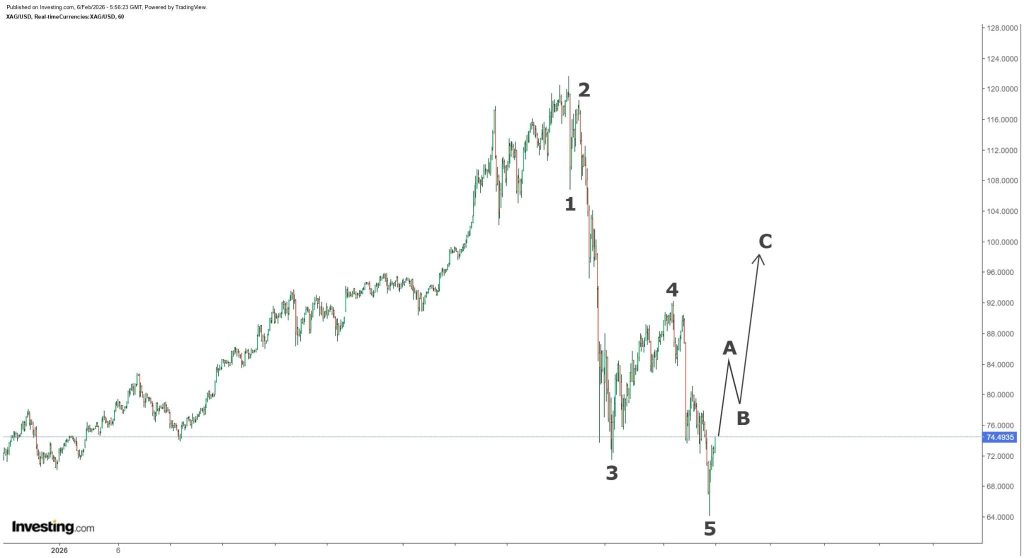
Silver Price Crash Is Over “For Real This Time,” Analyst Predicts a Surge Back Above $90

Silver Price Crash Is Over “For Real This Time,” Analyst Predicts a Surge Back Above $90

Silver has been taking a beating lately, and the Silver price hasn’t exactly been acting like a safe haven. After running up into the highs, the whole move reversed
Share
Captainaltcoin2026/02/07 03:15
Citi Caps Year-End at $4,300, But ETF outflows Challenge Outlook

Citi Caps Year-End at $4,300, But ETF outflows Challenge Outlook

The post Citi Caps Year-End at $4,300, But ETF outflows Challenge Outlook appeared on BitcoinEthereumNews.com. Ethereum Price Prediction: Citi Caps Year-End at $4,300, But ETF outflows Challenge Outlook Disclaimer: The information found on NewsBTC is for educational purposes only. It does not represent the opinions of NewsBTC on whether to buy, sell or hold any investments and naturally investing carries risks. You are advised to conduct your own research before making any investment decisions. Use information provided on this website entirely at your own risk. Related News © 2025 NewsBTC. All Rights Reserved. This website uses cookies. By continuing to use this website you are giving consent to cookies being used. Visit our Privacy Center or Cookie Policy. I Agree Source: https://www.newsbtc.com/news/ethereum/ethereum-price-prediction-citi-caps-year-end-at-4300-but-etf-outflows-challenge-outlook/
Share
BitcoinEthereumNews2025/09/18 14:30