By Axel Bitblaze Compiled by Tim, PANews Many people must be wondering whether the current trend of the crypto market is a fluctuation before breaking through new highs, or a signal that the market has reached its peak? In reality, it’s not that simple. The short, medium, and long term scenarios can look very different. I will provide a comprehensive analysis of BTC, ETH, and altcoins before they enter each stage: Now let’s get straight to the point: the next few months will determine how this cycle plays out, and I think this tweet is worth revisiting. Let’s start with what’s happening now. Data last Friday showed the unemployment rate climbed to 4.3%, the highest level since 2021. Nonfarm payrolls showed just 22,000 jobs added, compared to expectations for more than three times that. The U.S. job market has been surprisingly strong for years. Even as growth slows, hiring remains strong. This report changes that trend. This is the first time since the outbreak that both unemployment and hiring rates have turned red at the same time. The market reacted immediately to the news. Futures market pricing shows that the market believes the probability of a rate cut in September has reached 100%. Most expect a 25 basis point rate cut, but the Fed could still opt for a 50 basis point cut. Beyond that, traders see a greater than 75% chance of three or more rate cuts in 2025. The turning point finally came. But there is one thing you need to understand, a rate cut does not mean that everything will immediately go up and not down. The reason is that interest rate cuts will not affect everything overnight. For cryptocurrencies, the short-term, medium-term, and long-term outlooks will be very different. Short-term impact The short-term impact is likely to be bearish. When unemployment rises, it first triggers fears of a recession in the market. This is why gold is hitting new all-time highs while risk assets are underperforming. Here's what might happen: Bitcoin may retest its recent lows. Ethereum and altcoins could drop 10–20% or more. But that doesn't mean the cycle is over. This reflects how traders behave when negative economic data first hits: they sell risky assets and move into safe assets. Medium-term impact With the Fed's rate cuts imminent, the bond market will adjust and yields will fall. Lower yields mean more borrowing and lending, leading to higher spending. It will also help companies increase borrowing to expand their businesses or conduct buybacks. Increased spending means higher profits for companies, and their stock prices will soar. When stocks rise, Bitcoin and altcoins tend to rise even more. A new change has emerged in this cycle: institutional entry. Spot Bitcoin and Ethereum ETFs have opened up direct channels for pension funds and asset management companies; approval of altcoin ETFs is also imminent. In addition, there is $7.2 trillion in funds parked in money market funds, which will see outflows if Treasury yields start to fall. Imagine if even just 1% of the funds flowed into cryptocurrencies, it would be enough to push Bitcoin and altcoins to new highs. That's why the fourth quarter of 2025 looks so important. Liquidity will start to return. The stock saw more buying. And cryptocurrencies may be the biggest winners among all risk assets. Bitcoin typically leads trends while altcoins lag, but in past cycles their biggest gains have come near the end. If history repeats itself, early 2026 could be a frenzy phase for altcoins as Bitcoin stabilizes at higher levels. Long-term effects After the mid-term rebound, risks reappear. The tariffs introduced earlier this year will take another 6-8 months to fully show up in inflation data. This suggests that early 2026 could be the time when inflation starts to rise again. If inflation climbs while unemployment remains high, the Fed may be forced to pause its rate cuts or even raise them again due to concerns about stagflation. The combination of a weak job market and rising prices has historically typically marked the end of an economic cycle. It is environmental factors that may trigger a stock market crash and a crypto bear market. So the script is this: Short term (next 3-4 weeks): market volatility, pullbacks, and panic trading. Medium term (Q4 2025 to January 2026): Liquidity returns, Bitcoin hits new highs, and altcoins enter a frenzy phase. Long term (from Q1 2026): Inflation risks rise and the Fed’s response could mark a cycle top. Final Thoughts Last Friday's weak jobs data suggested one thing: the Fed is about to pivot. Typically, a shift in Fed policy signals poor economic conditions, so a short-term adjustment seems likely. But as things unfold, I think the crypto market will be the biggest winner by Q4 2025.By Axel Bitblaze Compiled by Tim, PANews Many people must be wondering whether the current trend of the crypto market is a fluctuation before breaking through new highs, or a signal that the market has reached its peak? In reality, it’s not that simple. The short, medium, and long term scenarios can look very different. I will provide a comprehensive analysis of BTC, ETH, and altcoins before they enter each stage: Now let’s get straight to the point: the next few months will determine how this cycle plays out, and I think this tweet is worth revisiting. Let’s start with what’s happening now. Data last Friday showed the unemployment rate climbed to 4.3%, the highest level since 2021. Nonfarm payrolls showed just 22,000 jobs added, compared to expectations for more than three times that. The U.S. job market has been surprisingly strong for years. Even as growth slows, hiring remains strong. This report changes that trend. This is the first time since the outbreak that both unemployment and hiring rates have turned red at the same time. The market reacted immediately to the news. Futures market pricing shows that the market believes the probability of a rate cut in September has reached 100%. Most expect a 25 basis point rate cut, but the Fed could still opt for a 50 basis point cut. Beyond that, traders see a greater than 75% chance of three or more rate cuts in 2025. The turning point finally came. But there is one thing you need to understand, a rate cut does not mean that everything will immediately go up and not down. The reason is that interest rate cuts will not affect everything overnight. For cryptocurrencies, the short-term, medium-term, and long-term outlooks will be very different. Short-term impact The short-term impact is likely to be bearish. When unemployment rises, it first triggers fears of a recession in the market. This is why gold is hitting new all-time highs while risk assets are underperforming. Here's what might happen: Bitcoin may retest its recent lows. Ethereum and altcoins could drop 10–20% or more. But that doesn't mean the cycle is over. This reflects how traders behave when negative economic data first hits: they sell risky assets and move into safe assets. Medium-term impact With the Fed's rate cuts imminent, the bond market will adjust and yields will fall. Lower yields mean more borrowing and lending, leading to higher spending. It will also help companies increase borrowing to expand their businesses or conduct buybacks. Increased spending means higher profits for companies, and their stock prices will soar. When stocks rise, Bitcoin and altcoins tend to rise even more. A new change has emerged in this cycle: institutional entry. Spot Bitcoin and Ethereum ETFs have opened up direct channels for pension funds and asset management companies; approval of altcoin ETFs is also imminent. In addition, there is $7.2 trillion in funds parked in money market funds, which will see outflows if Treasury yields start to fall. Imagine if even just 1% of the funds flowed into cryptocurrencies, it would be enough to push Bitcoin and altcoins to new highs. That's why the fourth quarter of 2025 looks so important. Liquidity will start to return. The stock saw more buying. And cryptocurrencies may be the biggest winners among all risk assets. Bitcoin typically leads trends while altcoins lag, but in past cycles their biggest gains have come near the end. If history repeats itself, early 2026 could be a frenzy phase for altcoins as Bitcoin stabilizes at higher levels. Long-term effects After the mid-term rebound, risks reappear. The tariffs introduced earlier this year will take another 6-8 months to fully show up in inflation data. This suggests that early 2026 could be the time when inflation starts to rise again. If inflation climbs while unemployment remains high, the Fed may be forced to pause its rate cuts or even raise them again due to concerns about stagflation. The combination of a weak job market and rising prices has historically typically marked the end of an economic cycle. It is environmental factors that may trigger a stock market crash and a crypto bear market. So the script is this: Short term (next 3-4 weeks): market volatility, pullbacks, and panic trading. Medium term (Q4 2025 to January 2026): Liquidity returns, Bitcoin hits new highs, and altcoins enter a frenzy phase. Long term (from Q1 2026): Inflation risks rise and the Fed’s response could mark a cycle top. Final Thoughts Last Friday's weak jobs data suggested one thing: the Fed is about to pivot. Typically, a shift in Fed policy signals poor economic conditions, so a short-term adjustment seems likely. But as things unfold, I think the crypto market will be the biggest winner by Q4 2025.

US economic data disappoints again, leaving the crypto market in a state of flux. A complete analysis of short-term, medium-term, and long-term trends.

2025/09/08 19:25
4 min read

By Axel Bitblaze

Compiled by Tim, PANews

Many people must be wondering whether the current trend of the crypto market is a fluctuation before breaking through new highs, or a signal that the market has reached its peak?

In reality, it’s not that simple. The short, medium, and long term scenarios can look very different.

I will provide a comprehensive analysis of BTC, ETH, and altcoins before they enter each stage:

Now let’s get straight to the point: the next few months will determine how this cycle plays out, and I think this tweet is worth revisiting.

Let’s start with what’s happening now.

Data last Friday showed the unemployment rate climbed to 4.3%, the highest level since 2021.

Nonfarm payrolls showed just 22,000 jobs added, compared to expectations for more than three times that.
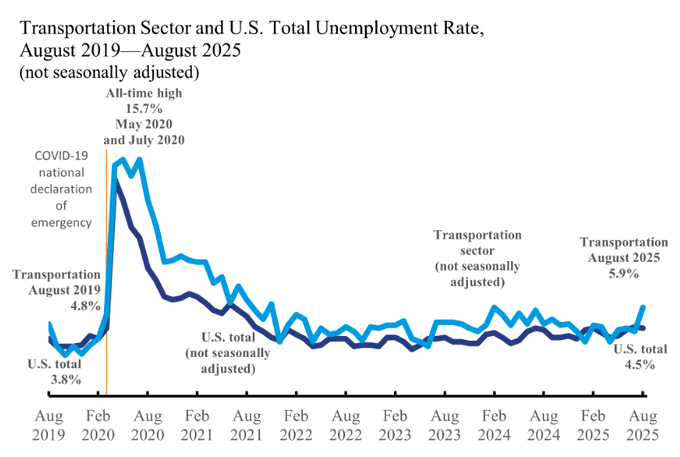
The U.S. job market has been surprisingly strong for years.

Even as growth slows, hiring remains strong.

This report changes that trend.

This is the first time since the outbreak that both unemployment and hiring rates have turned red at the same time.

The market reacted immediately to the news.

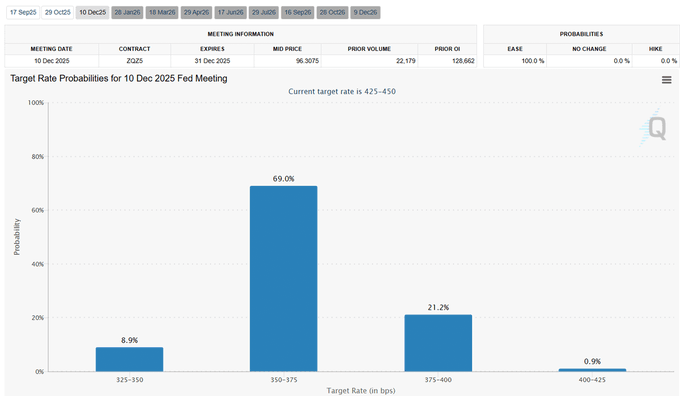
Futures market pricing shows that the market believes the probability of a rate cut in September has reached 100%.

Most expect a 25 basis point rate cut, but the Fed could still opt for a 50 basis point cut.

Beyond that, traders see a greater than 75% chance of three or more rate cuts in 2025.

The turning point finally came.
But there is one thing you need to understand, a rate cut does not mean that everything will immediately go up and not down.

The reason is that interest rate cuts will not affect everything overnight.

For cryptocurrencies, the short-term, medium-term, and long-term outlooks will be very different.

Short-term impact

The short-term impact is likely to be bearish.

When unemployment rises, it first triggers fears of a recession in the market.

This is why gold is hitting new all-time highs while risk assets are underperforming.
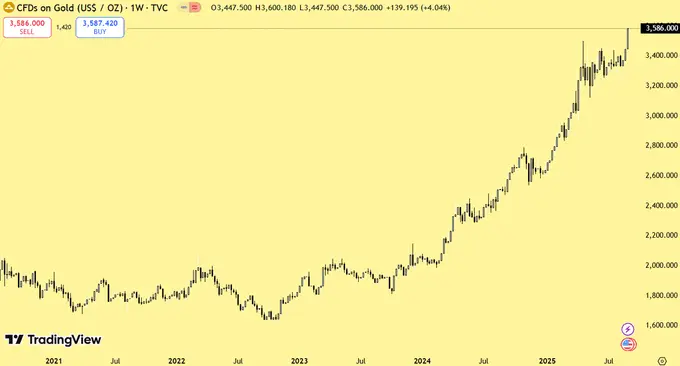
Here's what might happen:

  • Bitcoin may retest its recent lows.
  • Ethereum and altcoins could drop 10–20% or more.

But that doesn't mean the cycle is over.

This reflects how traders behave when negative economic data first hits: they sell risky assets and move into safe assets.

Medium-term impact

With the Fed's rate cuts imminent, the bond market will adjust and yields will fall.

Lower yields mean more borrowing and lending, leading to higher spending.

It will also help companies increase borrowing to expand their businesses or conduct buybacks.

Increased spending means higher profits for companies, and their stock prices will soar.

When stocks rise, Bitcoin and altcoins tend to rise even more.

A new change has emerged in this cycle: institutional entry.

Spot Bitcoin and Ethereum ETFs have opened up direct channels for pension funds and asset management companies; approval of altcoin ETFs is also imminent.

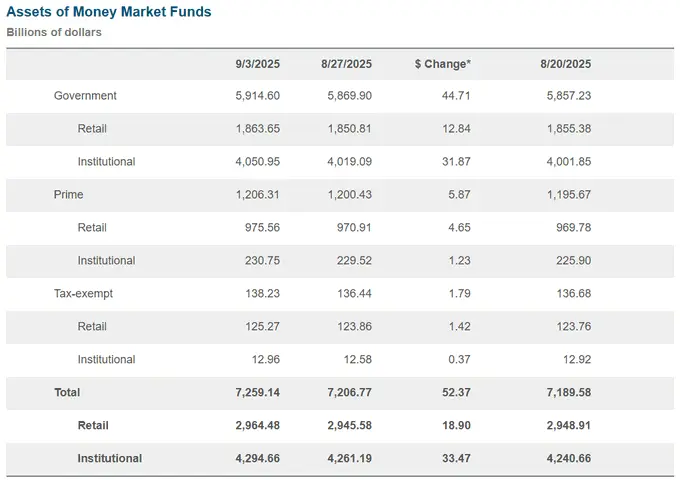
In addition, there is $7.2 trillion in funds parked in money market funds, which will see outflows if Treasury yields start to fall.

Imagine if even just 1% of the funds flowed into cryptocurrencies, it would be enough to push Bitcoin and altcoins to new highs.
That's why the fourth quarter of 2025 looks so important.

Liquidity will start to return.

The stock saw more buying.

And cryptocurrencies may be the biggest winners among all risk assets.

Bitcoin typically leads trends while altcoins lag, but in past cycles their biggest gains have come near the end.

If history repeats itself, early 2026 could be a frenzy phase for altcoins as Bitcoin stabilizes at higher levels.

Long-term effects

After the mid-term rebound, risks reappear.

The tariffs introduced earlier this year will take another 6-8 months to fully show up in inflation data.

This suggests that early 2026 could be the time when inflation starts to rise again.
If inflation climbs while unemployment remains high, the Fed may be forced to pause its rate cuts or even raise them again due to concerns about stagflation.

The combination of a weak job market and rising prices has historically typically marked the end of an economic cycle.

It is environmental factors that may trigger a stock market crash and a crypto bear market.

So the script is this:

  • Short term (next 3-4 weeks): market volatility, pullbacks, and panic trading.
  • Medium term (Q4 2025 to January 2026): Liquidity returns, Bitcoin hits new highs, and altcoins enter a frenzy phase.
  • Long term (from Q1 2026): Inflation risks rise and the Fed’s response could mark a cycle top.

Final Thoughts

Last Friday's weak jobs data suggested one thing: the Fed is about to pivot.

Typically, a shift in Fed policy signals poor economic conditions, so a short-term adjustment seems likely.

But as things unfold, I think the crypto market will be the biggest winner by Q4 2025.

Market Opportunity
NEAR Logo
NEAR Price(NEAR)
$1.0813
$1.0813$1.0813
+1.72%
USD
NEAR (NEAR) Live Price Chart
Disclaimer: The articles reposted on this site are sourced from public platforms and are provided for informational purposes only. They do not necessarily reflect the views of MEXC. All rights remain with the original authors. If you believe any content infringes on third-party rights, please contact service@support.mexc.com for removal. MEXC makes no guarantees regarding the accuracy, completeness, or timeliness of the content and is not responsible for any actions taken based on the information provided. The content does not constitute financial, legal, or other professional advice, nor should it be considered a recommendation or endorsement by MEXC.

You May Also Like

Shocking OpenVPP Partnership Claim Draws Urgent Scrutiny

Shocking OpenVPP Partnership Claim Draws Urgent Scrutiny

The post Shocking OpenVPP Partnership Claim Draws Urgent Scrutiny appeared on BitcoinEthereumNews.com. The cryptocurrency world is buzzing with a recent controversy surrounding a bold OpenVPP partnership claim. This week, OpenVPP (OVPP) announced what it presented as a significant collaboration with the U.S. government in the innovative field of energy tokenization. However, this claim quickly drew the sharp eye of on-chain analyst ZachXBT, who highlighted a swift and official rebuttal that has sent ripples through the digital asset community. What Sparked the OpenVPP Partnership Claim Controversy? The core of the issue revolves around OpenVPP’s assertion of a U.S. government partnership. This kind of collaboration would typically be a monumental endorsement for any private cryptocurrency project, especially given the current regulatory climate. Such a partnership could signify a new era of mainstream adoption and legitimacy for energy tokenization initiatives. OpenVPP initially claimed cooperation with the U.S. government. This alleged partnership was said to be in the domain of energy tokenization. The announcement generated considerable interest and discussion online. ZachXBT, known for his diligent on-chain investigations, was quick to flag the development. He brought attention to the fact that U.S. Securities and Exchange Commission (SEC) Commissioner Hester Peirce had directly addressed the OpenVPP partnership claim. Her response, delivered within hours, was unequivocal and starkly contradicted OpenVPP’s narrative. How Did Regulatory Authorities Respond to the OpenVPP Partnership Claim? Commissioner Hester Peirce’s statement was a crucial turning point in this unfolding story. She clearly stated that the SEC, as an agency, does not engage in partnerships with private cryptocurrency projects. This response effectively dismantled the credibility of OpenVPP’s initial announcement regarding their supposed government collaboration. Peirce’s swift clarification underscores a fundamental principle of regulatory bodies: maintaining impartiality and avoiding endorsements of private entities. Her statement serves as a vital reminder to the crypto community about the official stance of government agencies concerning private ventures. Moreover, ZachXBT’s analysis…
Share
BitcoinEthereumNews2025/09/18 02:13
SEI Technical Analysis Feb 6

SEI Technical Analysis Feb 6

The post SEI Technical Analysis Feb 6 appeared on BitcoinEthereumNews.com. SEI is consolidating at the $0.08 level under general downtrend pressure; although RSI
Share
BitcoinEthereumNews2026/02/07 02:43
South Korean Crypto Exchange Accidentally Gave Away $95 Billion in Bitcoin

South Korean Crypto Exchange Accidentally Gave Away $95 Billion in Bitcoin

The post South Korean Crypto Exchange Accidentally Gave Away $95 Billion in Bitcoin appeared on BitcoinEthereumNews.com. In brief South Korean exchange Bithumb
Share
BitcoinEthereumNews2026/02/07 02:16
