

Ethereum spot ETF had a total net inflow of US$332 million yesterday, continuing its net inflow for 14 consecutive days
PANews reported on July 24 that according to SoSoValue data, the Ethereum spot ETF had a total net inflow of US$332 million yesterday (July 23, Eastern Time).
The Ethereum spot ETF with the largest single-day net inflow yesterday was the Blackrock ETF ETHA, with a single-day net inflow of US$325 million. Currently, ETHA's total historical net inflow has reached US$8.908 billion.
The second is VanEck ETF ETHV, with a single-day net inflow of US$3.9548 million. Currently, ETHV's total historical net inflow has reached US$170 million.
As of press time, the total net asset value of the Ethereum spot ETF was US$19.683 billion, the ETF net asset ratio (market value as a percentage of Ethereum's total market value) was 4.57%, and the historical cumulative net inflow has reached US$8.651 billion.
You May Also Like

XRP Enters ‘Washout Zone,’ Then Targets $30, Crypto Analyst Says
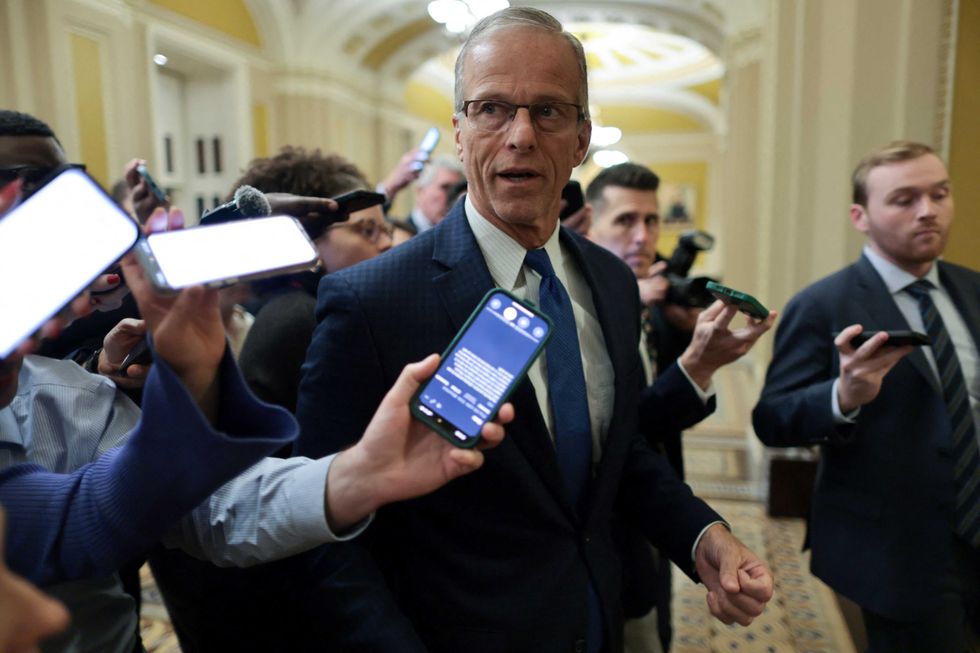
Republicans are 'very concerned about Texas' turning blue: GOP senator

Wormhole token soars following tokenomics overhaul, W reserve launch
Wormhole’s native token has had a tough time since launch, debuting at $1.66 before dropping significantly despite the general crypto market’s bull cycle. Wormhole, an interoperability protocol facilitating asset transfers between blockchains, announced updated tokenomics to its native Wormhole (W) token, including a token reserve and more yield for stakers. The changes could affect the protocol’s governance, as staked Wormhole tokens allocate voting power to delegates.According to a Wednesday announcement, three main changes are coming to the Wormhole token: a W reserve funded with protocol fees and revenue, a 4% base yield for staking with higher rewards for active ecosystem participants, and a change from bulk unlocks to biweekly unlocks.“The goal of Wormhole Contributors is to significantly expand the asset transfer and messaging volume that Wormhole facilitates over the next 1-2 years,” the protocol said. According to Wormhole, more tokens will be locked as adoption takes place and revenue filters back to the company.Read more
