How to build passive income with little money? — A practical beginner’s guide
FinancePolice aims to explain these options in plain language so you can compare choices, protect your downside by checking fees and rules, and test an approach without overcommitting. Use this as a starting framework and verify platform specifics as you proceed.
Intro: Can you build passive income with little money?
Yes, you can begin building passive income with small amounts, but realistic expectations matter: early cash flow tends to be low, it can take months or years to scale, and some options require ongoing management or depend on platform rules. For many readers, the simplest starting paths are micro-investing, creating low-cost digital products, content monetization, or renting assets, with an emphasis on automation and small, consistent steps.
To start responsibly, prioritise an emergency fund and review fees, tax rules, and platform terms before committing funds or listing assets. If you set up automated transfers and small experiments, you can learn which approach fits your skills and schedule without large upfront risk.
Reach our readers with FinancePolice advertising
Read the 30-day starter plan and the week-by-week checklist below to try small, manageable experiments and verify results before scaling.
Learn about advertising and partnerships
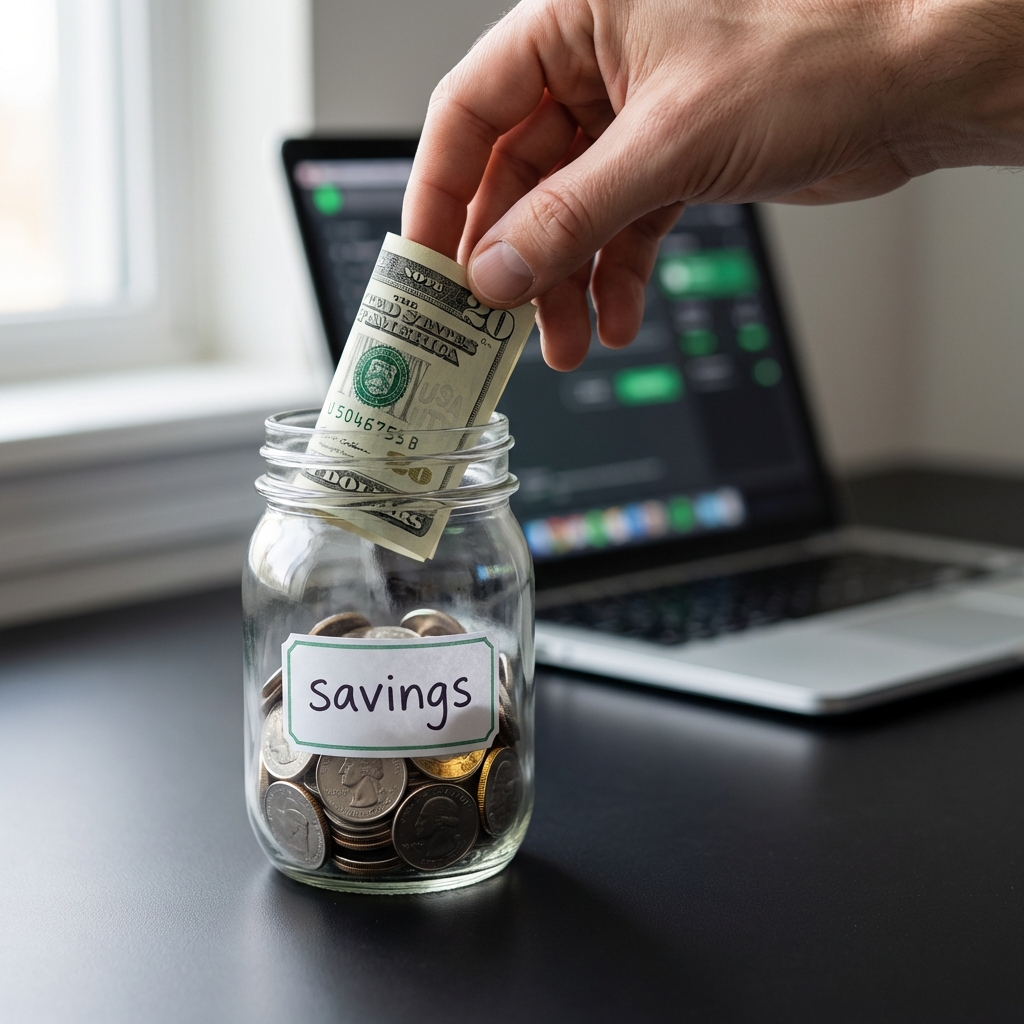
Across the options below, the trade-offs are similar: low capital reduces early income but makes testing affordable, while time and promotion often substitute for cash when launching digital products or creator channels.
What passive income means and why small capital changes the game
At its core, passive income describes recurring revenue that needs little active daily work after initial setup. Truly hands-off models exist, but many streams are semi-passive, requiring upfront labor or occasional maintenance. For people with little capital, the path tends to be more about trade-offs between time, skill, and money.
Small starting capital generally means lower immediate cash flow and longer timelines to noticeable returns. Investments started with tiny recurring contributions compound over time, but fees and product choices can materially affect outcomes, so it helps to understand investment basics and platform disclosures early on Investor.gov introduction to investing.
Tax rules also influence the net benefit of recurring revenue. In the U.S., many recurring revenues are treated as passive activity, and special at-risk and passive activity rules can limit deductible losses and change reporting obligations. Check official guidance for how these rules can apply to your situation IRS Publication 925.
Quick overview: low-cost passive income options to consider
This section gives a fast comparison of four common, low-cost paths: automated micro-investing, digital products, content monetization, and asset rental. Each has different time commitments, startup effort, and potential timelines to income.
Micro-investing and robo-advisors let you start with very small recurring contributions and automatic reinvestment, which is useful for learning investing basics and building a habit. The main downsides are the low starting income and sensitivity to fees and product choice.
Digital products, such as ebooks and templates, cost little to produce and can scale if you reach buyers, but success depends on testing demand and effective distribution. Creator channels, like video or audio, have minimal monetary startup cost yet typically require consistent content and audience growth before they produce steady revenue YouTube Creator Academy monetization overview.
Renting or sharing assets can produce recurring cash flow with modest capital, but it includes platform fees, management time, local rules, and tax reporting considerations. Each option suits different skills and time availability: investing suits those comfortable with markets, digital products fit people who can make repeatable content, and rentals fit owners willing to manage listings and renters.
Micro-investing and automated investing: start small, automate, and watch fees
How micro-investing apps and robo-advisors work, passive income ideas with little money
Micro-investing and robo-advisors let you start with very small recurring contributions and automatic reinvestment, which is useful for learning investing basics and building a habit.
Micro-investing and robo-advisors automate small recurring contributions, allocate them across diversified funds, and often reinvest dividends, which helps compounding over time. These tools can be useful learning wheels for beginners who want to prioritise steady saving and automation rather than active stock picking CFPB savings and automated tools. For more on how micro-investing apps vary, see FINRA’s micro-investing guidance.
Which fees and product choices matter
On small balances, fees matter more because they eat a larger share of returns; common charges include account management fees, fund expense ratios, and occasional transaction fees. When starting small, prioritise low-cost funds and clearly disclosed fee schedules, and read platform disclosures for details, which can affect the long-term result Investor.gov introduction to investing.
Practical setup steps
1. Decide a modest recurring amount you can automate without strain. 2. Choose a low-fee option and confirm the fee schedule. 3. Automate transfers and enable dividend reinvestment if available. 4. Revisit the plan at fixed intervals, not daily.
Starter checklist for automated micro-investing
Review disclosures before funding
Create once, sell many: digital products and content monetization
Digital products that fit small budgets: ebooks, templates, mini-courses
Digital products like ebooks, templates, or printable tools cost little to create and can be sold repeatedly once you find paying customers. The core steps are validate demand with a small test, create a minimal viable product, and use a low-cost distribution method to reach buyers. Practical distribution usually involves a mix of owned channels and marketplaces; verify platform fees and payout terms before listing to understand net revenue Shopify guide to selling digital products.
Content monetization basics: platforms and variability
Content channels like video, audio, or blogs require little cash to start but demand time and consistent publishing to build an audience. Income is highly variable and depends on platform eligibility requirements, ad policies, and audience size. Creators often mix approaches: ad revenue, memberships, and product sales, and they should expect timelines measured in months to years for meaningful revenue Pew Research creator earnings analysis.
Distribution and minimum viability checks
Before heavy work, test a small offer or pilot to measure demand. Minimal checks include a landing page with a sign-up or a small paid test, a simple cost and fee calculation, and verifying payout thresholds and eligibility on the platform you plan to use.
Renting and sharing assets: cash flow with management trade-offs
Examples: short-term rentals, equipment sharing, vehicle sharing
Renting assets you own, such as a room, camera gear, or specialty equipment, can create recurring income when demand exists. Upfront costs vary by asset and may include minor repairs, cleaning, or basic insurance; ongoing duties typically include messaging renters, scheduling, and maintenance.
Upfront and ongoing costs to plan for
Typical upfront costs include supplies, safety checks, and basic setup. Ongoing costs include platform fees, wear and tear, and time spent on guest communication or maintenance. Those costs reduce net cash flow and should be part of any pricing calculation Shopify guide to selling digital products.
Regulatory and insurance checks
Local regulations, zoning, and insurance provisions can limit or increase the cost of renting assets, and tax reporting may follow specific rules for passive activities. Review local rules and confirm insurance coverage before listing assets to understand obligations and potential liabilities IRS Publication 925.
Taxes, rules, and fees: what to check before you start
Passive activity rules and tax basics
Many recurring revenues are classified as passive activity for tax purposes in the U.S., and passive activity and at-risk rules can limit the ability to deduct losses or claim certain credits. Read the IRS guidance relevant to passive activity before assuming tax treatment for a new income stream IRS Publication 925.
Platform terms, fees, and payout rules
Before you commit, check platform disclosures, fee schedules, and payout thresholds. Investment platforms and financial services publish fee and disclosure information that can change over time and materially affect net outcomes, so confirm details directly with the provider Investor.gov introduction to investing.
When to consult official guidance
If your situation includes significant income, complex deductions, or unfamiliar local regulations, consult a tax professional or the relevant official guidance for precise treatment. General guides help, but individual outcomes depend on personal circumstances and local law.
Common mistakes and pitfalls to avoid
Small balances and low-margin products are particularly sensitive to fees. When you start with little capital, even modest fees can consume a significant share of returns, so always calculate net returns after fees and taxes before assuming profitability Investor.gov introduction to investing.
Another frequent error is assuming content monetization is instantly passive. Building an audience requires promotion, consistency, and time. Treat early months as a learning period and measure engagement and conversion rather than headline revenue.
For rentals, common pitfalls include underinsuring assets, ignoring local rules, or setting prices that omit platform fees and maintenance costs. These mistakes can erase expected gains or create unexpected liabilities.
A 30-day starter plan and practical examples you can try
Week 1: Set up fundamentals. Open a low-fee investment account or start an automated transfer for a micro-invest experiment. Sketch one digital product idea and run a small demand test with a landing page or social post. For rentals, take photos, note upfront costs, and check local rules and insurance basics CFPB savings and automated tools.

Week 2: Execute small experiments. Fund your first automated transfer, create a minimal product mock-up, or list a basic rental offering. Keep the scope small so you can iterate quickly and learn from results.
Week 3: Measure early signals. Track simple metrics like deposit consistency, landing page sign-ups, traffic, or early conversions. These early indicators help decide whether to continue, tweak, or stop the experiment.
Week 4: Decide next steps. If results are promising and costs are clearly below expected revenue after fees, plan modest scaling steps. If not, adjust pricing, promotion, or pivot to another low-cost idea. Expect timelines of months to years before seeing substantial passive revenue from small starts YouTube Creator Academy monetization overview.
Three quick examples for different budgets: Example A, micro-investor with $25 per month automating transfers and reviewing low-cost funds; Example B, creator launching a printable template and testing demand with a small ad or social post; Example C, owner listing a seldom-used item and pricing to cover fees and maintenance. Each example focuses on simple metrics: deposit consistency, conversion rate, and occupancy after fees.
How to scale, measure success, and when to change course
Signals to scale include consistent positive cash flow after fees, predictable demand, and manageable operations. For investments, track net returns after fees. For digital products or content, watch conversion rates and audience growth. For rentals, monitor occupancy and net income after platform fees.
If metrics show weak or negative returns after fees and reasonable promotion, consider pausing or pivoting. Scaling is worth it when marginal investment in time or money produces predictable incremental revenue and the operational load remains manageable.
Periodically reassess platform terms and fee schedules, and review tax rules before scaling. Changes in platform policies or new fee structures can alter net economics, so maintain a habit of checking disclosures at least annually.
Timelines vary, but with small capital expect months to years for meaningful income; use early metrics like deposit consistency, traffic, and conversion to judge progress.
Yes. Prioritising an emergency fund reduces the risk of needing to withdraw or halt experiments during short-term setbacks and helps you avoid high‑cost borrowing.
Not always; tax treatment depends on details like participation, local rules, and activity type. For U.S. taxpayers, consult official guidance on passive activity rules for specifics.
If a project shows reliable, fee-adjusted returns and manageable operations, consider modest scaling. If not, use the lessons to pivot to a different, still low-cost experiment.
References
- https://www.investor.gov/introduction-investing
- https://www.irs.gov/publications/p925
- https://creatoracademy.youtube.com/page/lesson/monetization
- https://www.consumerfinance.gov/consumer-tools/savings/
- https://www.shopify.com/blog/sell-digital-products
- https://www.pewresearch.org/fact-tank/2024/06/12/what-we-know-about-earning-money-as-online-creators/
- https://financepolice.com/advertise/
- https://www.finra.org/investors/insights/micro-investing
- https://www.bankrate.com/investing/micro-investing/
- https://www.investopedia.com/how-to-automate-your-investing-7378239
- https://financepolice.com/best-micro-investment-apps/
- https://financepolice.com/passive-income-7-proven-ways-to-make-your-money-work-for-you/
- https://financepolice.com/passive-income-apps/
You May Also Like

SEC Delays Crypto Innovation Exemptions, Citing Further Study

Crypto Market Crash To 6-Month Low Amid Rising Tensions Between Iran and The US