Author: Conflux In late January, a gold trading platform called "Jieworui" collapsed in Shuibei, Shenzhen. Tens of thousands of users are queuing to withdraw theirAuthor: Conflux In late January, a gold trading platform called "Jieworui" collapsed in Shuibei, Shenzhen. Tens of thousands of users are queuing to withdraw their
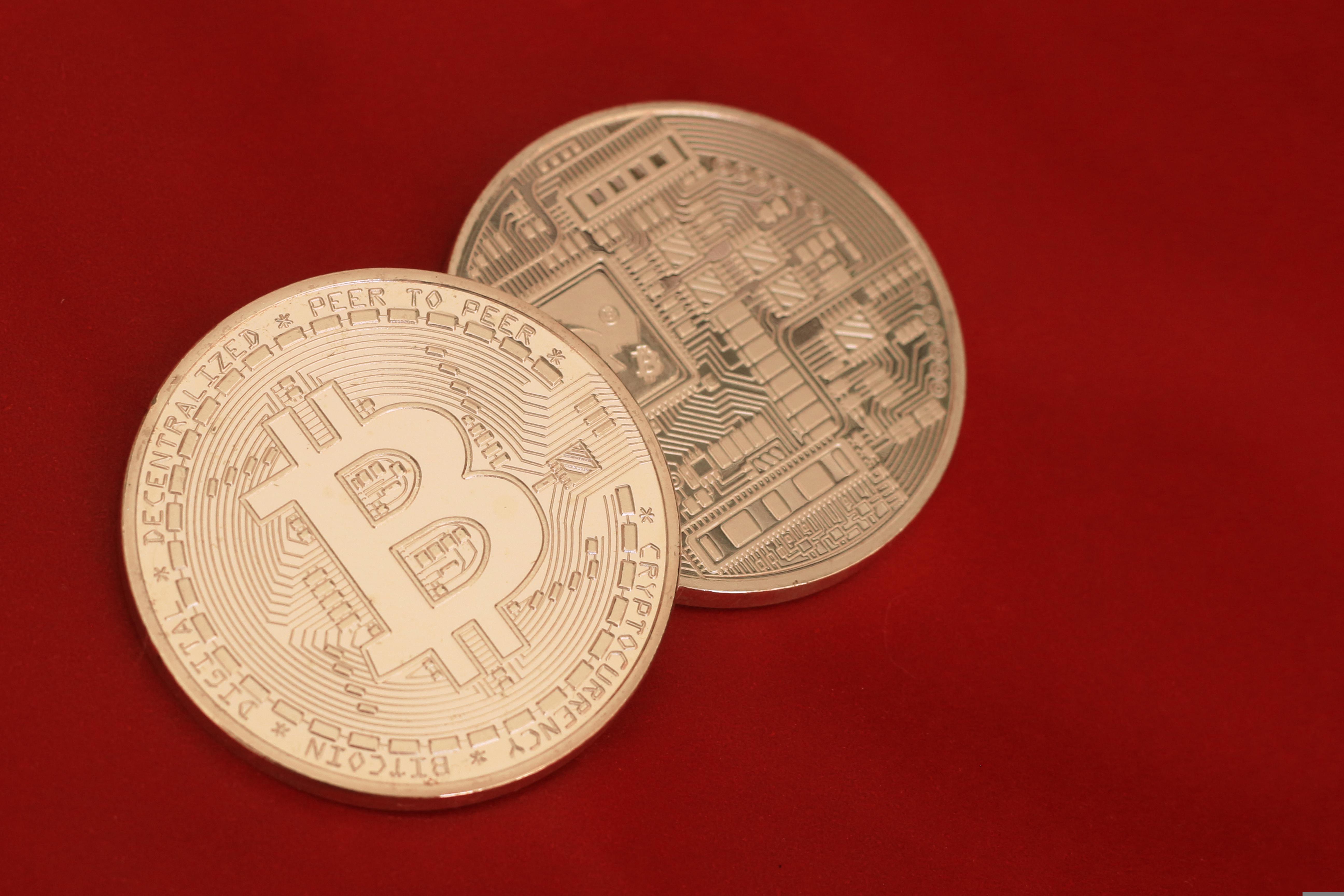
Both involve gold plus "certificates," so why did Jereh collapse while Tether continued to profit immensely?

2026/01/30 12:30
5 min read

Author: Conflux

In late January, a gold trading platform called "Jieworui" collapsed in Shuibei, Shenzhen.

Both involve gold plus certificates, so why did Jereh collapse while Tether continued to profit immensely?

Tens of thousands of users are queuing to withdraw their funds through a mini-program. Even with a daily limit of 500 yuan or 1 gram of gold, numerous applications are still being rejected. Some users have over 900,000 yuan in principal and hundreds of grams of gold in their accounts, yet they can't withdraw a single penny. The platform claims that the assets have not been transferred and is "coordinating a solution," but the repayment plan offered is either a 20% cut of the principal with a one-time withdrawal or a 40% cut with 12 installments.

This is a classic example of the collapse of informal finance.

However, on the other side of the world, a “golden giant” from the crypto world is quietly expanding.

According to Tether CEO Paolo Ardoino, Tether has accumulated nearly 140 tons of gold. This places it among the top 30 gold holders globally, surpassing the official reserves of countries like Greece and Qatar.

On the surface, Goldman Sachs and Tether are doing the same thing—building credit with gold. But they are heading towards two completely opposite ends.

The real problem with J.W.R. is that it turned gold into a highly leveraged gambling tool.

In so-called "pre-determined price trading," users only need to pay a deposit of a few dozen yuan to lock in the buying and selling price of 1 gram of gold; if the gold price rises, the user pays the full amount upon maturity; if the gold price falls, the platform will repurchase the gold at the agreed price.

This is not spot trading, but a hidden options trading platform where retail investors and the platform are at odds. If a user makes money, the platform makes up the difference; if a user loses money, the platform takes the margin.

When precious metal prices surge in 2025–2026, a large number of retail investors will see unrealized profits, while the platform will lack verifiable hedging and reserves, resulting in a direct accumulation of risk on its own books.

The higher the price of gold rises, the more difficult it becomes for this system to maintain, which is the fundamental reason why bank runs occur at the height of the market boom.

While both are "gold certificates," Tether's gold stablecoin, Tether Gold (XAUT), employs a completely different financial structure:

  • Each XAUT corresponds to 1 ounce of physical gold.
  • Supply and gold reserves are strictly 1:1

It is not a leveraged product, not a pre-sale price, and certainly not a bet.

As of the end of the fourth quarter of 2025, XAUT accounted for more than half of the total share of gold stablecoins, holding a total of 520,089.350 ounces of physical gold, with a total market value exceeding US$2.2 billion.

At the same time, Tether continues to increase its gold holdings within its overall reserve structure. Its current physical gold reserves are approaching 140 tons, and it plans to continue increasing its holdings.

This means that it is not using gold to back a highly leveraged trading platform, but rather incorporating gold into its own balance sheet and holding it long-term as part of the stablecoin system.

Against the backdrop of highly unstable global geopolitics and the frequent weaponization of the dollar-based financial system, the significance of physical gold has changed: it is no longer just a safe-haven asset, but an anchor of cross-system credit. Tether is using gold to build a "sanctions-resistant" fortress of trust for its dollar-denominated stablecoin USDT and even the entire crypto ecosystem.

In early 2026, precious metal prices rose sharply.

This is a disaster for JWR, which relies on centralized credit and has opaque funds and reserves. But for Tether, it's the opposite. Because it holds physical gold—as gold prices rise, its balance sheet automatically expands.

With soaring gold prices, Tether has appreciated its gold holdings by over $5 billion, bringing the total value of its gold reserves to over $23.3 billion. Tether even plans to purchase 1 to 2 tons of gold per week in the coming months and has hired senior HSBC traders to actively capture arbitrage opportunities.

Both are "gold + certificates," but one collapsed during a run on the bank, while the other thrived during a market upturn.

When precious metal prices fluctuate wildly, what is truly tested is not "who has higher returns," but whose structure is more resilient to shocks.

The collapse of JWG is a tragedy for traditional financial shady businesses. Meanwhile, the rise of Tether Gold points to the future direction of gold investment in the digital age.

In today's increasingly uncertain global environment, "digital gold bars," with their transparent, verifiable, and censorship-resistant characteristics, are becoming a highly promising "value fortress" outside of the traditional gold and fiat currency system.

*The content of this article is for informational purposes only and does not constitute investment advice. Investing involves risk; please invest cautiously.

Related reading: The hidden manipulators behind the gold price surge: This cryptocurrency institution, which earns billions of dollars a year, has hoarded 140 tons of gold .

Disclaimer: The articles reposted on this site are sourced from public platforms and are provided for informational purposes only. They do not necessarily reflect the views of MEXC. All rights remain with the original authors. If you believe any content infringes on third-party rights, please contact service@support.mexc.com for removal. MEXC makes no guarantees regarding the accuracy, completeness, or timeliness of the content and is not responsible for any actions taken based on the information provided. The content does not constitute financial, legal, or other professional advice, nor should it be considered a recommendation or endorsement by MEXC.

You May Also Like

Shocking OpenVPP Partnership Claim Draws Urgent Scrutiny

Shocking OpenVPP Partnership Claim Draws Urgent Scrutiny

The post Shocking OpenVPP Partnership Claim Draws Urgent Scrutiny appeared on BitcoinEthereumNews.com. The cryptocurrency world is buzzing with a recent controversy surrounding a bold OpenVPP partnership claim. This week, OpenVPP (OVPP) announced what it presented as a significant collaboration with the U.S. government in the innovative field of energy tokenization. However, this claim quickly drew the sharp eye of on-chain analyst ZachXBT, who highlighted a swift and official rebuttal that has sent ripples through the digital asset community. What Sparked the OpenVPP Partnership Claim Controversy? The core of the issue revolves around OpenVPP’s assertion of a U.S. government partnership. This kind of collaboration would typically be a monumental endorsement for any private cryptocurrency project, especially given the current regulatory climate. Such a partnership could signify a new era of mainstream adoption and legitimacy for energy tokenization initiatives. OpenVPP initially claimed cooperation with the U.S. government. This alleged partnership was said to be in the domain of energy tokenization. The announcement generated considerable interest and discussion online. ZachXBT, known for his diligent on-chain investigations, was quick to flag the development. He brought attention to the fact that U.S. Securities and Exchange Commission (SEC) Commissioner Hester Peirce had directly addressed the OpenVPP partnership claim. Her response, delivered within hours, was unequivocal and starkly contradicted OpenVPP’s narrative. How Did Regulatory Authorities Respond to the OpenVPP Partnership Claim? Commissioner Hester Peirce’s statement was a crucial turning point in this unfolding story. She clearly stated that the SEC, as an agency, does not engage in partnerships with private cryptocurrency projects. This response effectively dismantled the credibility of OpenVPP’s initial announcement regarding their supposed government collaboration. Peirce’s swift clarification underscores a fundamental principle of regulatory bodies: maintaining impartiality and avoiding endorsements of private entities. Her statement serves as a vital reminder to the crypto community about the official stance of government agencies concerning private ventures. Moreover, ZachXBT’s analysis…
Share
BitcoinEthereumNews2025/09/18 02:13
United States Building Permits Change dipped from previous -2.8% to -3.7% in August

United States Building Permits Change dipped from previous -2.8% to -3.7% in August

The post United States Building Permits Change dipped from previous -2.8% to -3.7% in August appeared on BitcoinEthereumNews.com. Information on these pages contains forward-looking statements that involve risks and uncertainties. Markets and instruments profiled on this page are for informational purposes only and should not in any way come across as a recommendation to buy or sell in these assets. You should do your own thorough research before making any investment decisions. FXStreet does not in any way guarantee that this information is free from mistakes, errors, or material misstatements. It also does not guarantee that this information is of a timely nature. Investing in Open Markets involves a great deal of risk, including the loss of all or a portion of your investment, as well as emotional distress. All risks, losses and costs associated with investing, including total loss of principal, are your responsibility. The views and opinions expressed in this article are those of the authors and do not necessarily reflect the official policy or position of FXStreet nor its advertisers. The author will not be held responsible for information that is found at the end of links posted on this page. If not otherwise explicitly mentioned in the body of the article, at the time of writing, the author has no position in any stock mentioned in this article and no business relationship with any company mentioned. The author has not received compensation for writing this article, other than from FXStreet. FXStreet and the author do not provide personalized recommendations. The author makes no representations as to the accuracy, completeness, or suitability of this information. FXStreet and the author will not be liable for any errors, omissions or any losses, injuries or damages arising from this information and its display or use. Errors and omissions excepted. The author and FXStreet are not registered investment advisors and nothing in this article is intended…
Share
BitcoinEthereumNews2025/09/18 02:20
CME Group to launch Solana and XRP futures options in October

CME Group to launch Solana and XRP futures options in October

The post CME Group to launch Solana and XRP futures options in October appeared on BitcoinEthereumNews.com. CME Group is preparing to launch options on SOL and XRP futures next month, giving traders new ways to manage exposure to the two assets.  The contracts are set to go live on October 13, pending regulatory approval, and will come in both standard and micro sizes with expiries offered daily, monthly and quarterly. The new listings mark a major step for CME, which first brought bitcoin futures to market in 2017 and added ether contracts in 2021. Solana and XRP futures have quickly gained traction since their debut earlier this year. CME says more than 540,000 Solana contracts (worth about $22.3 billion), and 370,000 XRP contracts (worth $16.2 billion), have already been traded. Both products hit record trading activity and open interest in August. Market makers including Cumberland and FalconX plan to support the new contracts, arguing that institutional investors want hedging tools beyond bitcoin and ether. CME’s move also highlights the growing demand for regulated ways to access a broader set of digital assets. The launch, which still needs the green light from regulators, follows the end of XRP’s years-long legal fight with the US Securities and Exchange Commission. A federal court ruling in 2023 found that institutional sales of XRP violated securities laws, but programmatic exchange sales did not. The case officially closed in August 2025 after Ripple agreed to pay a $125 million fine, removing one of the biggest uncertainties hanging over the token. This is a developing story. This article was generated with the assistance of AI and reviewed by editor Jeffrey Albus before publication. Get the news in your inbox. Explore Blockworks newsletters: Source: https://blockworks.co/news/cme-group-solana-xrp-futures
Share
BitcoinEthereumNews2025/09/17 23:55
