Thailand SEC Expands Digital Asset Rules with ETFs Futures and Influencer Oversight
Highlights:
- The Thailand SEC is getting ready to launch crypto ETFs and regulated futures trading.
- The rules focus on limiting risk through portfolio caps and licensed custody.
- The stronger oversight will cover influencers, exchanges, and new digital products.
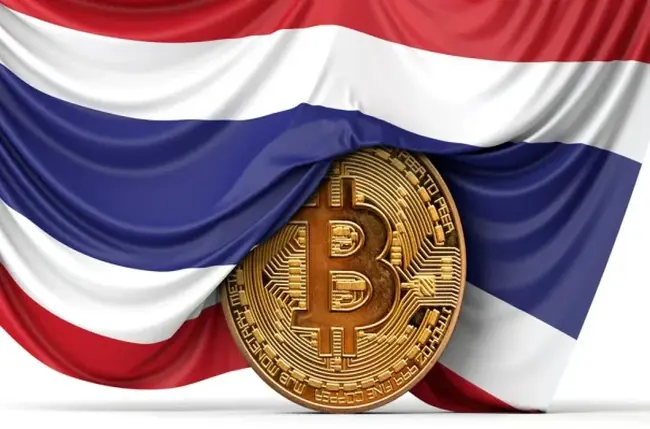
The Thailand Securities and Exchange Commission is preparing formal rules for crypto exchange-traded funds. Officials expect the guidelines early this year. The regulator already approved crypto ETFs in principle. Current work focuses on investment limits and operating requirements. Officials said demand for regulated crypto exposure continues to grow.
Crypto ETFs allow investors to gain exposure without holding digital assets directly. Investors do not need to manage wallets or private keys. Regulators said custody concerns remain a barrier for many participants. ETFs rely on licensed custodians instead. This structure follows familiar investment models.
Officials plan to limit portfolio exposure to digital assets. Investors may allocate up to five percent within diversified portfolios. The regulator described the cap as a risk control. The guidance applies across investment products. Authorities said crypto will sit alongside other alternative assets.
The framework also includes tokenized investment products. Officials said tokenization allows assets to operate onchain under existing rules. Bond tokens remain a focus area. Financial institutions will test these products through regulated channels. Authorities said testing will follow a gradual approach.
Thailand SEC Plans Crypto Futures And Market Structure
The regulator also plans to enable crypto futures trading. Futures contracts will trade on the Thailand Futures Exchange. TFEX already supports regulated derivatives markets. Officials said the exchange provides established clearing systems. Margin and settlement rules will apply as they do for other contracts.
Crypto futures allow investors to hedge price movements. They also support regulated price discovery. Officials said institutions prefer derivatives with clear safeguards. Leverage controls will remain in place. Regulators emphasized trading discipline. Market makers will support liquidity under the new structure. Officials said liquidity improves execution quality. Market makers can reduce price gaps during volatility. The regulator plans to define participation rules. Authorities said liquidity planning remains ongoing.
Digital assets will also gain recognition as an official asset class. The change will fall under the Derivatives Act. Officials said legal clarity supports institutional participation. Asset classification defines how firms report exposure. Regulators said the change removes uncertainty.
Tighter Influencer Rules and Expanded Market Oversight
Thailand SEC is increasing the regulation of financial influencers. Any recommendation concerning investment will be subject to approval. Authorities indicated that unlicensed promotion poses enforcement loopholes. Under the current regulations, advisors are required to be registered. The introduction of brokers should pass the approval standards.
Regulators associated the reforms with investor protection. The role of social media in investment behavior is increasing. According to regulators, disclosure standards must be enforced. Supervision will concentrate on licensing and behavior.
Regulators suspended KuCoin Thailand operations earlier this month. The suspension was a response to capital levels dropping below required levels. KuCoin reported that a shareholder conflict postponed a capital raise. Authorities reported that the problem was not associated with liquidity stress. The suspension was in accordance with current capital requirements.
KuCoin was launched in the Thai market last year. The company intends to apply for a license as a digital asset broker. The license would enable a broader line of products.
Regulators are also increasing supervision tools. Authorities are collaborating with the central bank on a tokenization sandbox. The sandbox will enable financial institutions to test it under controlled conditions. Officials indicated that the test outcomes will determine future actions.
eToro Platform
Best Crypto Exchange
- Over 90 top cryptos to trade
- Regulated by top-tier entities
- User-friendly trading app
- 30+ million users
eToro is a multi-asset investment platform. The value of your investments may go up or down. Your capital is at risk. Don’t invest unless you’re prepared to lose all the money you invest. This is a high-risk investment, and you should not expect to be protected if something goes wrong.
You May Also Like

Cashing In On University Patents Means Giving Up On Our Innovation Future

XRP Ledger Unlocks Permissioned Domains With 91% Validator Backing