TLDR Bitcoin dropped below $90,000 on January 20, 2026, triggering $1.09 billion in forced liquidations across crypto markets. Long positions made up 92% of totalTLDR Bitcoin dropped below $90,000 on January 20, 2026, triggering $1.09 billion in forced liquidations across crypto markets. Long positions made up 92% of total

Bitcoin Crash Wipes Out $1 Billion in Leveraged Crypto Positions

2026/01/21 16:25
4 min read

TLDR

  • Bitcoin dropped below $90,000 on January 20, 2026, triggering $1.09 billion in forced liquidations across crypto markets.
  • Long positions made up 92% of total liquidations, with 183,066 traders affected in 24 hours.
  • The largest single liquidation was a $13.52 million BTCUSDT order on Bitget exchange.
  • Bitcoin futures saw $427 million in liquidations while Ethereum had $374 million in forced closures.
  • The selloff coincided with President Trump’s tariff threats and rising Japanese government bond yields reaching record levels.

Bitcoin dropped below $90,000 on January 20, 2026, triggering over $1 billion in forced liquidations across cryptocurrency markets. The sudden price move caught traders off guard, with most positioned for continued price gains.

Bitcoin (BTC) PriceBitcoin (BTC) Price

Data from CoinGlass showed 183,066 traders were liquidated over a 24-hour period. Total liquidations reached $1.09 billion across all crypto positions.

Long positions accounted for 92% of the liquidations, totaling $1.08 billion. Short liquidations were much lower at $79.67 million. This breakdown shows how heavily traders had bet on further price increases.

Source: Coinglass

Bitcoin fell to $87,800 during late U.S. trading hours. The price later recovered above $89,000 during Asian morning hours. The 3% decline marked a shift from the previous week’s trading pattern near recent highs.

Liquidation happens when an exchange closes a trader’s leveraged position because they lack enough funds to keep the trade open. Exchanges automatically sell the collateral when prices move against highly leveraged positions. This creates a cascade effect as each liquidation pushes prices lower and triggers more margin calls.

Bitcoin and Ethereum Lead Forced Closures

Bitcoin saw $427.06 million in liquidated long positions. Ethereum followed with $374.47 million in forced closures. These two cryptocurrencies accounted for the majority of liquidation losses.

The largest single liquidation was a BTCUSDT order on Bitget worth $13.52 million. Major exchanges reported heavy losses across their platforms.

Hyperliquid recorded $132.39 million in long liquidations. Bybit had $91.35 million in forced closures. Binance saw $64.08 million in liquidations over a four-hour period.

High-profile traders suffered losses during the selloff. Machi Big Brother, a known crypto investor, experienced five liquidations in one day. His total losses reached $24.18 million.

Technical indicators showed market stress beyond falling prices. Most altcoins traded with a daily Relative Strength Index below 50, indicating ongoing selling pressure. The RSI measures momentum on a scale from 0 to 100, with values below 50 suggesting bearish sentiment.

Global Market Pressures Add to Crypto Volatility

The crypto selloff occurred as broader financial markets turned cautious. President Donald Trump renewed threats to impose tariffs on European nations that rejected his proposal related to Greenland. These comments unsettled investors and revived concerns about trade policy.

Japanese government bonds experienced a sharp selloff on January 20. The 30-year Japanese Government Bond yield jumped 25 basis points to 3.86%. The 10-year yield rose 8 basis points to 2.34%, both setting modern records.

Rising Japanese yields affect global markets because low Japanese rates have supported the carry trade for decades. Investors borrow yen at low rates to invest in higher-yielding assets, including cryptocurrencies. Higher yields make these positions more expensive to maintain, causing capital to flow back into Japan.

The World Economic Forum in Davos added to market uncertainty. Policy discussions at the annual event often create market volatility, especially for cryptocurrencies facing increased regulatory scrutiny worldwide.

The liquidations-to-open-interest ratio remained high across crypto markets, indicating widespread deleveraging. This ratio measures the share of open positions that were liquidated and typically spikes during periods of forced selling. Repeated liquidations drain investor capital, making it harder for traders to re-enter markets at lower prices.

The post Bitcoin Crash Wipes Out $1 Billion in Leveraged Crypto Positions appeared first on CoinCentral.

Market Opportunity
Ucan fix life in1day Logo
Ucan fix life in1day Price(1)
$0.0005402
$0.0005402$0.0005402
+4.26%
USD
Ucan fix life in1day (1) Live Price Chart
Disclaimer: The articles reposted on this site are sourced from public platforms and are provided for informational purposes only. They do not necessarily reflect the views of MEXC. All rights remain with the original authors. If you believe any content infringes on third-party rights, please contact service@support.mexc.com for removal. MEXC makes no guarantees regarding the accuracy, completeness, or timeliness of the content and is not responsible for any actions taken based on the information provided. The content does not constitute financial, legal, or other professional advice, nor should it be considered a recommendation or endorsement by MEXC.

You May Also Like

Cashing In On University Patents Means Giving Up On Our Innovation Future
Cashing In On University Patents Means Giving Up On Our Innovation Future

The post Cashing In On University Patents Means Giving Up On Our Innovation Future appeared on BitcoinEthereumNews.com. “It’s a raid on American innovation that would deliver pennies to the Treasury while kneecapping the very engine of our economic and medical progress,” writes Pipes. Getty Images Washington is addicted to taxing success. Now, Commerce Secretary Howard Lutnick is floating a plan to skim half the patent earnings from inventions developed at universities with federal funding. It’s being sold as a way to shore up programs like Social Security. In reality, it’s a raid on American innovation that would deliver pennies to the Treasury while kneecapping the very engine of our economic and medical progress. Yes, taxpayer dollars support early-stage research. But the real payoff comes later—in the jobs created, cures discovered, and industries launched when universities and private industry turn those discoveries into real products. By comparison, the sums at stake in patent licensing are trivial. Universities collectively earn only about $3.6 billion annually in patent income—less than the federal government spends on Social Security in a single day. Even confiscating half would barely register against a $6 trillion federal budget. And yet the damage from such a policy would be anything but trivial. The true return on taxpayer investment isn’t in licensing checks sent to Washington, but in the downstream economic activity that federally supported research unleashes. Thanks to the bipartisan Bayh-Dole Act of 1980, universities and private industry have powerful incentives to translate early-stage discoveries into real-world products. Before Bayh-Dole, the government hoarded patents from federally funded research, and fewer than 5% were ever licensed. Once universities could own and license their own inventions, innovation exploded. The result has been one of the best returns on investment in government history. Since 1996, university research has added nearly $2 trillion to U.S. industrial output, supported 6.5 million jobs, and launched more than 19,000 startups. Those companies pay…
Share
BitcoinEthereumNews2025/09/18 03:26
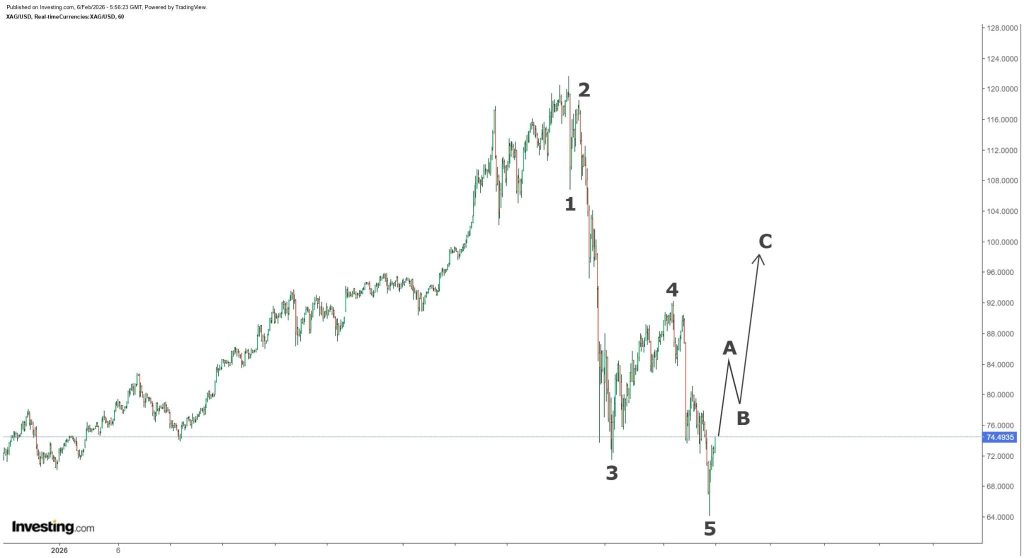
Silver Price Crash Is Over “For Real This Time,” Analyst Predicts a Surge Back Above $90

Silver Price Crash Is Over “For Real This Time,” Analyst Predicts a Surge Back Above $90

Silver has been taking a beating lately, and the Silver price hasn’t exactly been acting like a safe haven. After running up into the highs, the whole move reversed
Share
Captainaltcoin2026/02/07 03:15
Citi Caps Year-End at $4,300, But ETF outflows Challenge Outlook

Citi Caps Year-End at $4,300, But ETF outflows Challenge Outlook

The post Citi Caps Year-End at $4,300, But ETF outflows Challenge Outlook appeared on BitcoinEthereumNews.com. Ethereum Price Prediction: Citi Caps Year-End at $4,300, But ETF outflows Challenge Outlook Disclaimer: The information found on NewsBTC is for educational purposes only. It does not represent the opinions of NewsBTC on whether to buy, sell or hold any investments and naturally investing carries risks. You are advised to conduct your own research before making any investment decisions. Use information provided on this website entirely at your own risk. Related News © 2025 NewsBTC. All Rights Reserved. This website uses cookies. By continuing to use this website you are giving consent to cookies being used. Visit our Privacy Center or Cookie Policy. I Agree Source: https://www.newsbtc.com/news/ethereum/ethereum-price-prediction-citi-caps-year-end-at-4300-but-etf-outflows-challenge-outlook/
Share
BitcoinEthereumNews2025/09/18 14:30