After a near stalemate and despite challenges encountered, the 2026 budget was finally approved by the bicameral conference committee. Next year’s P6.793-trillionAfter a near stalemate and despite challenges encountered, the 2026 budget was finally approved by the bicameral conference committee. Next year’s P6.793-trillion

The economic upside of the 2026 budget

After a near stalemate and despite challenges encountered, the 2026 budget was finally approved by the bicameral conference committee. Next year’s P6.793-trillion budget is higher than the P6.326 trillion in effect this year.

The budget tells us many things, especially in terms of what this administration holds important, the competing issues it must weigh for the country’s growth and development, as well as the direction it wishes to take in being an investment-driven economy.

In its current form, the 2026 budget transmits positive signals to the Filipino public and to the business community. They are indications of stability, genuine intention to introduce reforms, a desire to strengthen local economies, a high awareness of risks, and a prioritization of human capital.

Foremost, the budget clearly reflects the economic agenda of the Marcos administration. The priority is clear, and that is to have steady fundamentals to lessen uncertainty and make planning easier for current and potential investors alike. International organizations like the World Bank and International Monetary Fund have downgraded their projections on the Philippines’ economic growth. The Philippines is resolute to achieve its growth targets nonetheless.

The 2026 budget is the first to be approved through a transparent process, with deliberations live-streamed and archived. This is a move that should inspire confidence among investors and the public alike, especially given the public works scandal that the nation is now facing. Transparent deliberations show that the government is serious about drastically minimizing the opportunities for corruption and other sinister moves on the part of public servants. While the livestream was not without challenges, it was clearly a move to improve investor trust in governance and public finance integrity.

Funds were also realigned toward health and disaster risk management. There was a conscious effort to divert funds away from the corruption-plagued Department of Public Works and Highways, whose budget was slashed by P351.4 billion to P520.6 billion, 40% lower than the P881 billion originally proposed by the Palace.

While the administration is cognizant of the need for infrastructure development and its multiplier effects, the 2026 budget showed caution in enabling a graft-ridden agency while reforms are still being implemented. The difference in funds was diverted to agencies like PhilHealth and the National Disaster Risk Reduction and Management Fund. These are intended to provide essential health services and ensure disaster resilience among Filipinos.

The 2026 budget also recognizes the supremacy of human capital and the need to invest in our nation’s future. The education sector is receiving a record allocation of P1.38 trillion, targeting workforce skills and human capital development. This will contribute to productivity and competitiveness in a tight labor market.

Finally, the budget intends to boost economic activity, not only on the national level but also on the local and regional level. The big increase in Local Government Support Fund (LGU financial assistance) — from the National Expenditure Program’s proposed P5 billion to about P37 billion — could drive regional infrastructure and services, pushing localized economic activities.

To be sure, despite the relative transparency of the process, several concerns have been raised. For instance, the restoration of P243 billion in unprogrammed appropriations raises concerns about transparency and accountability, given past controversies surrounding its use. While these funds provide flexibility to address unforeseen expenses and foreign-assisted projects, their reliance on excess revenues or foreign loans poses risks to fiscal stability. In fact, the Senate initially sought to eliminate unprogrammed appropriations entirely, citing concerns over its potential for misuse and lack of immediate funding.

However, the bicameral committee ultimately retained the funds, with assurances that they would not be used for controversial projects like flood control. Unprogrammed appropriations remains a critical tool for funding foreign-assisted projects and social programs, which are essential for development. All this simply exerts greater pressure on the government to ensure that such funds are allocated effectively, spent for the pure benefit of the people, and are handled free from corruption.

The budget does provide opportunities for economic growth through strategic investments. For instance, despite constraints, the inclusion of funding for foreign-assisted infrastructure projects. Approximately 55% of the P243 billion in unprogrammed appropriations is allocated to infrastructure projects co-financed by international development partners, such as the Japan International Cooperation Agency, the World Bank, and the Asian Development Bank.

Projects such as the Metro Manila Subway and the North-South Commuter Railway present an opportunity to boost economic activity, improve transportation, and attract foreign investments. Policymakers must focus on maximizing the impact of these projects while ensuring that they align with long-term economic goals.

In the end, the 2026 budget and the process that attended its finalization show the administration’s awareness of the issues that have prevented the budget from truly belonging to the people, and its intention to address these issues once and for all. Often, there are no clear-cut answers, and the decisions are about weighing the advantages and disadvantages of one course of action over another.

May the 2026 budget truly achieve its objective of helping Filipinos achieve a better quality of life and propel the Philippines to greater economic heights.

Victor Andres “Dindo” C. Manhit is the president of the Stratbase ADR Institute.

Market Opportunity
NEAR Logo
NEAR Price(NEAR)
$1.477
$1.477$1.477
-0.67%
USD
NEAR (NEAR) Live Price Chart
Disclaimer: The articles reposted on this site are sourced from public platforms and are provided for informational purposes only. They do not necessarily reflect the views of MEXC. All rights remain with the original authors. If you believe any content infringes on third-party rights, please contact service@support.mexc.com for removal. MEXC makes no guarantees regarding the accuracy, completeness, or timeliness of the content and is not responsible for any actions taken based on the information provided. The content does not constitute financial, legal, or other professional advice, nor should it be considered a recommendation or endorsement by MEXC.

You May Also Like

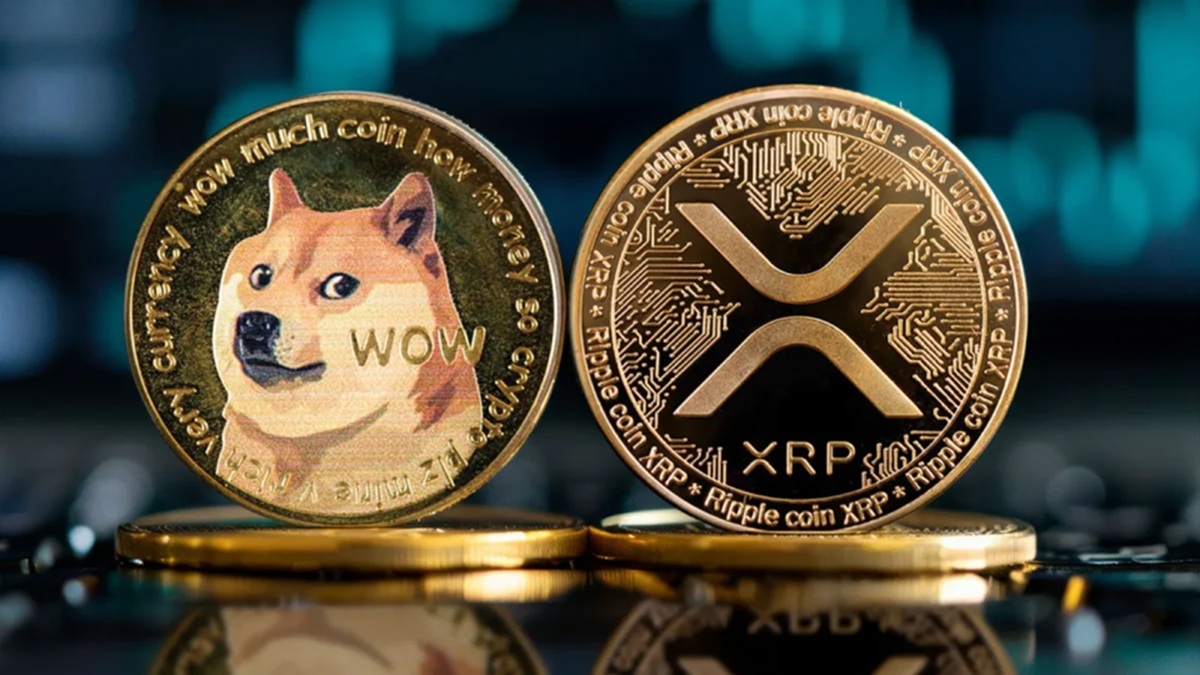
And the Big Day Has Arrived: The Anticipated News for XRP and Dogecoin Tomorrow

And the Big Day Has Arrived: The Anticipated News for XRP and Dogecoin Tomorrow

The first-ever ETFs for XRP and Dogecoin are expected to launch in the US tomorrow. Here's what you need to know. Continue Reading: And the Big Day Has Arrived: The Anticipated News for XRP and Dogecoin Tomorrow
Share
Coinstats2025/09/18 04:33
Motive Files Registration Statement for Proposed Initial Public Offering
Motive Files Registration Statement for Proposed Initial Public Offering

SAN FRANCISCO–(BUSINESS WIRE)–Motive Technologies, Inc., the AI platform for physical operations, today announced that it has filed a registration statement on
Share
AI Journal2025/12/24 07:00
Win meer dan 15 ETH met de Little Pepe Giveaway terwijl je deelneemt aan de presale

Win meer dan 15 ETH met de Little Pepe Giveaway terwijl je deelneemt aan de presale

i Kennisgeving: Dit artikel bevat inzichten van onafhankelijke auteurs en valt buiten de redactionele verantwoordelijkheid van BitcoinMagazine.nl. De informatie is bedoeld ter educatie en reflectie. Dit is geen financieel advies. Doe zelf onderzoek voordat je financiële beslissingen neemt. Crypto is zeer volatiel er zitten kansen en risicos aan deze investering. Je kunt je inleg verliezen. De meeste meme coins draaien om een grap die toevallig aanslaat, maar Little Pepe volgt een ander pad. Het project heeft zijn eigen Layer-2 blockchain gebouwd die bliksemsnelle en gratis transacties mogelijk maakt en die investeerders beschermt tegen oplichterspraktijken waar zoveel andere projecten last van hebben. Daar bovenop loopt er een grote giveaway van LILPEPE waarmee deelnemers flinke prijzen in ETH kunnen winnen. Het is een opvallende zet die laat zien dat dit project niet bang is om groots uit te pakken. De presale cijfers liegen niet De cijfers achter de presale spreken voor zich. Inmiddels is er al meer dan $ 25,9 miljoen opgehaald, wat laat zien dat veel mensen vertrouwen hebben in wat hier gebouwd wordt. Zulke bedragen komen alleen binnen wanneer investeerders serieus geloven in de toekomst van een coin. Tijdens de eerste fase werden tokens verkocht voor $ 0,001. Inmiddels zit het project in fase 13 en is de prijs gestegen naar $ 0,0022. Vroege kopers staan nu al op een winst van meer dan 120%. De verwachting is dat de uiteindelijke listing prijs rond de $ 0,003 zal liggen, wat nog steeds groeiruimte geeft. Elke nieuwe fase raakt sneller uitverkocht dan de vorige. Het is een kwestie van vraag en aanbod, want naarmate er minder tokens beschikbaar zijn, neemt de interesse toe. Bovendien is Little Pepe inmiddels toegevoegd aan CoinMarketCap en CoinGecko, wat vaak wordt gezien als teken van echtheid. De Layer 2 technologie van Little Pepe werkt door transacties buiten het mainnet van Ethereum af te traden. Vergelijk het met snelwegen met aparte banen waar je files vermijdt. In plaats van dat elke transactie rechtstreeks op Ethereum wordt verwerkt, bundelt Little Pepe ze samen waardoor het veel sneller en goedkoper kan. Grote giveaway met meer dan 15 ETH prijzen Naast de presale is er de grote giveaway die meer dan 15 ETH verdeelt onder de community. Kopers in fases 12 tot en met 17 maken kans op serieuze prijzen. De grootste koper ontvangt 5 ETH, wat neerkomt op ongeveer $ 12.000. De nummer twee krijgt 3 ETH en de derde plaats 2 ETH. Daarnaast worden er vijftien willekeurige winnaars gekozen die elk 0,5 ETH ontvangen, waardoor ook kleinere investeerders kans maken. Daar houdt het niet op, want er loopt ook nog een aparte giveaway ter waarde van $ 777.000 waaraan alle LILPEPE holders kunnen meedoen. De actie duurt tot het einde van fase 17. Meedoen is makkelijk, want het enige dat nodig is, is het koppelen van een ERC20-wallet, een paar social media acties uitvoeren en LILPEPE tokens kopen. Veiligheid ingebouwd in de blockchain Wat dit project verder onderscheidt, zijn de ingebouwde veiligheidsmaatregelen. Waar andere meme coins vaak slachtoffer worden van rug pulls en trading bots, heeft Little Pepe daar oplossingen voor bedacht. Dankzij sniper-bot bescherming krijgen automatische trading bots geen kans om een nieuwe lancering te misbruiken. Echte investeerders hebben daardoor een eerlijke kans. Daarnaast zijn anti-rug protocollen standaard ingebouwd. Bij nieuwe token lanceringen op hun blockchain, wordt liquiditeit automatisch vastgezet, zodat projectontwikkelaars niet zomaar kunnen verdwijnen met het geld van de community. Daarbovenop zijn de smart contracts van Little Pepe gecontroleerd door CertiK, een bekende onafhankelijke partij op het gebied van blockchain security. Token verdeling zonder belastingen Het token model is duidelijk uitgewerkt. In totaal zijn er 100 miljard tokens, waarvan 26,5% naar presale kopers gaat. Een groot deel, 30%, wordt gereserveerd voor het draaiend houden van de Layer 2 blockchain. Voor staking en beloningen is 13,5% gereserveerd, waardoor holders extra tokens kunnen verdienen door hun bezit vast te zetten. Marketing krijgt 10%, ontwikkeling krijgt een eigen aandeel en nog eens 10% gaat naar liquiditeit zodat trading op exchanges soepel kan verlopen. Het bijzondere is dat Little Pepe geen belasting heft op transacties, terwijl veel meme coins juist kosten rekenen bij koop en verkoop. De superkracht van de community De community speelt een belangrijke rol in de opmars van dit project. Op TikTok gaan video’s viraal en op Telegram groeit de groep snel. Wat opvalt, is dat de ontwikkelaars actief luisteren naar feedback en de community via governance ook echt invloed heeft op de richting van het project. Dit is ongebruikelijk binnen de meme coin sector en zorgt voor meer betrokkenheid. De groei van Little Pepe gaat inmiddels zo hard dat het project qua online zoekvolume en social media aandacht een paar gevestigde namen als Dogecoin en Shiba Inu begint te overtreffen. Voor wie mee wil doen is het proces eenvoudig. Via de officiële website kan met MetaMask of Trust Wallet worden ingelogd en kan met ETH of USDT worden gekocht. De huidige presale prijs staat op $ 0,0022 en de tokens zijn te claimen zodra de presale eindigt. Neem nu deel aan de presale van LILPEPE Website    |    (X) Twitter    |  Telegram i Kennisgeving: Dit artikel bevat inzichten van onafhankelijke auteurs en valt buiten de redactionele verantwoordelijkheid van BitcoinMagazine.nl. De informatie is bedoeld ter educatie en reflectie. Dit is geen financieel advies. Doe zelf onderzoek voordat je financiële beslissingen neemt. Crypto is zeer volatiel er zitten kansen en risicos aan deze investering. Je kunt je inleg verliezen. Het bericht Win meer dan 15 ETH met de Little Pepe Giveaway terwijl je deelneemt aan de presale is geschreven door Redactie en verscheen als eerst op Bitcoinmagazine.nl.
Share
Coinstats2025/09/18 16:31