

Revolutionary Shift: Pineapple Financial Migrates Mortgage Data to Injective Blockchain

BitcoinWorld
Revolutionary Shift: Pineapple Financial Migrates Mortgage Data to Injective Blockchain
Imagine a world where your mortgage paperwork is not just a stack of documents but a secure, transparent digital record on a blockchain. That future is now unfolding as Pineapple Financial, a NYSE-listed fintech firm, begins a groundbreaking migration of its mortgage data to the Injective blockchain. This move signals a major leap for real-world asset tokenization, aiming to bring unprecedented clarity and security to the home loan industry.
Why is Pineapple Financial Moving Mortgage Data to Injective?
Pineapple Financial (PAPL) has launched a dedicated mortgage tokenization platform. The core mission? To solve a common industry headache: fragmented data. Previously, loan information was scattered across various internal systems and paper files. By migrating this mortgage data to Injective, the company consolidates everything into a single, auditable, and tamper-proof ledger. This isn’t a future plan—it’s happening now, with over 1,200 mortgage records already moved on-chain.
What Are the Tangible Benefits of This Migration?
Shifting mortgage data to a blockchain like Injective isn’t just a tech upgrade; it’s a strategic overhaul. The benefits are clear and impactful:
- Enhanced Security & Trust: Blockchain’s immutable nature means records cannot be altered after being written, reducing fraud risk.
- Operational Efficiency: Automating processes and having a single source of truth cuts down on administrative time and errors.
- Improved Auditability: Regulators or auditors can verify loan data in real-time, simplifying compliance.
- Future Innovation: Tokenized mortgages could eventually be fractionalized, creating new investment opportunities.
Therefore, this move by Pineapple Financial is a practical step toward modernizing a traditional financial sector.
How Does Injective Blockchain Support This Vision?
The choice of the Injective blockchain is crucial. Injective is specifically built for finance, offering high speed and low transaction costs—essential for handling sensitive mortgage data. Moreover, Pineapple Financial’s commitment goes beyond just using the network. The company previously announced its intention to purchase $100 million worth of INJ tokens, aiming to become a top holder and staker. This deep integration shows a strong belief in Injective’s long-term role in reshaping finance.
What Challenges Lie Ahead for Tokenizing Mortgages?
While the migration of mortgage data to Injective is promising, the path has hurdles. Regulatory frameworks for tokenized real-world assets are still evolving. Furthermore, achieving widespread adoption requires educating both industry professionals and consumers about the benefits of blockchain-based systems. However, by being an early mover, Pineapple Financial is helping to pioneer the standards and practices that could define the future of mortgage lending.
Conclusion: A New Chapter for Mortgage Finance
Pineapple Financial’s decision to migrate its mortgage data to the Injective blockchain is a landmark moment. It demonstrates a powerful shift from theoretical blockchain potential to real-world, impactful application. This initiative paves the way for a more efficient, transparent, and secure mortgage industry. As more records move on-chain, we may look back at this as the beginning of a fundamental transformation in how we manage property ownership and debt.
Frequently Asked Questions (FAQs)
What does it mean to migrate mortgage data to a blockchain?
It means converting traditional paper and digital mortgage records into secure, unchangeable digital tokens on a decentralized ledger, like the Injective blockchain.
Why did Pineapple Financial choose the Injective blockchain?
Injective is built for financial applications, offering the speed, security, and low cost needed to handle sensitive loan data efficiently.
Is my personal mortgage data safe on a blockchain?
Blockchain technology provides enhanced security through encryption and immutability. However, the specific privacy measures implemented by Pineapple Financial would be key to total safety.
What are the benefits of tokenizing a mortgage?
Benefits include reduced fraud, lower administrative costs, easier auditing, and the potential for creating new, liquid markets for mortgage-backed assets.
Can other fintech companies do this too?
Absolutely. Pineapple Financial’s move could serve as a blueprint for other companies in the lending and real estate sectors looking to modernize their operations.
What was Pineapple Financial’s $100 million INJ announcement?
It signifies a major financial commitment to the Injective ecosystem, with the company planning to be a leading token holder and participant in network security through staking.
Found this insight into the future of mortgages fascinating? Share this article on your social media to spark a conversation about how blockchain is revolutionizing traditional finance!
To learn more about the latest blockchain and tokenization trends, explore our article on key developments shaping institutional adoption of real-world assets.
This post Revolutionary Shift: Pineapple Financial Migrates Mortgage Data to Injective Blockchain first appeared on BitcoinWorld.
You May Also Like

Thunderclap Review 2026: Is it the Best Social Media Service for Instant Gains?

The GENIUS Act Is Already Law. Banks Shouldn’t Try to Rewrite It Now
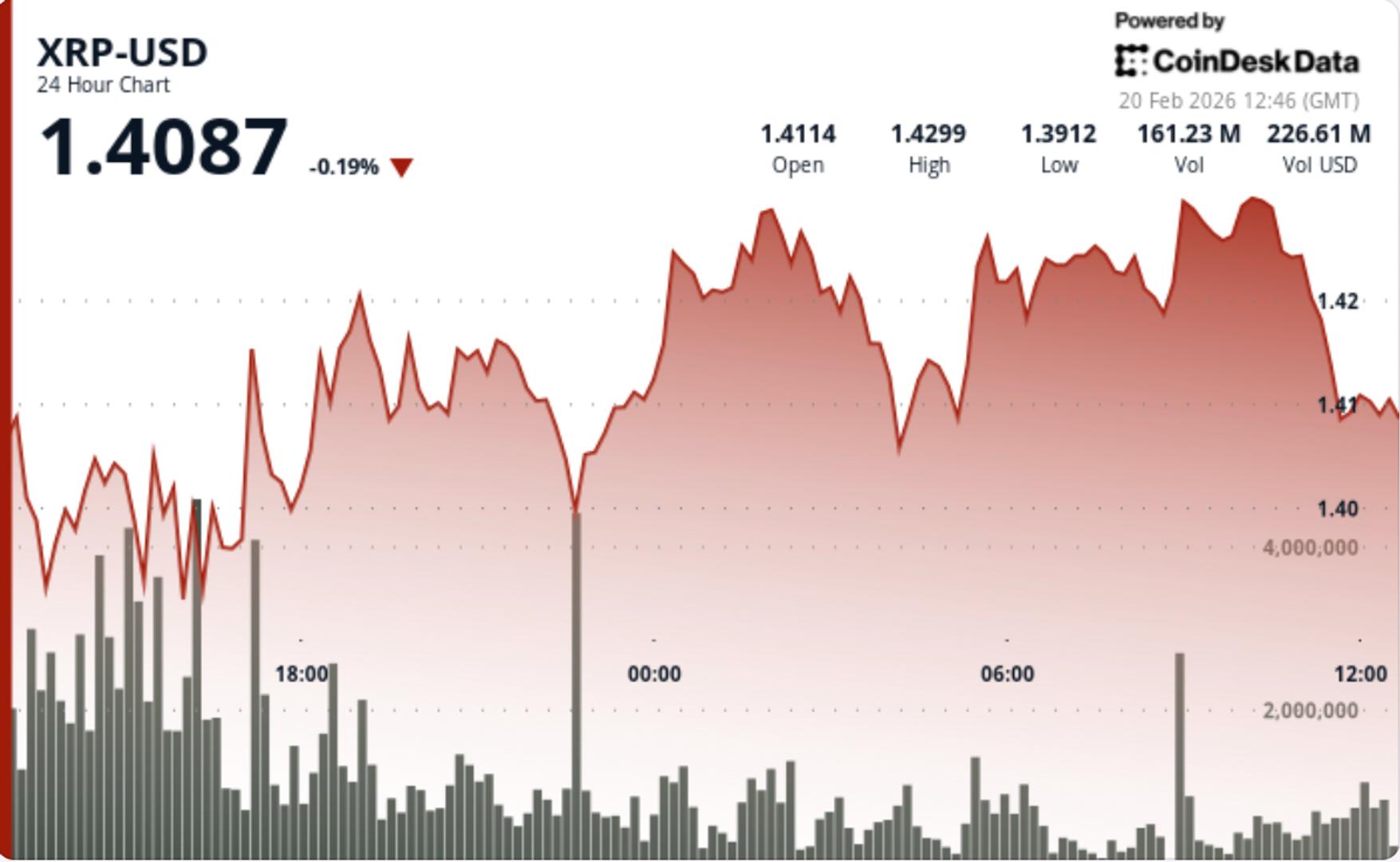
What next for XRP as volatility sinks to 2024 lows
Copy linkX (Twitter)LinkedInFacebookEmail