Governance reforms at DBKL to take priority over legislative amendments
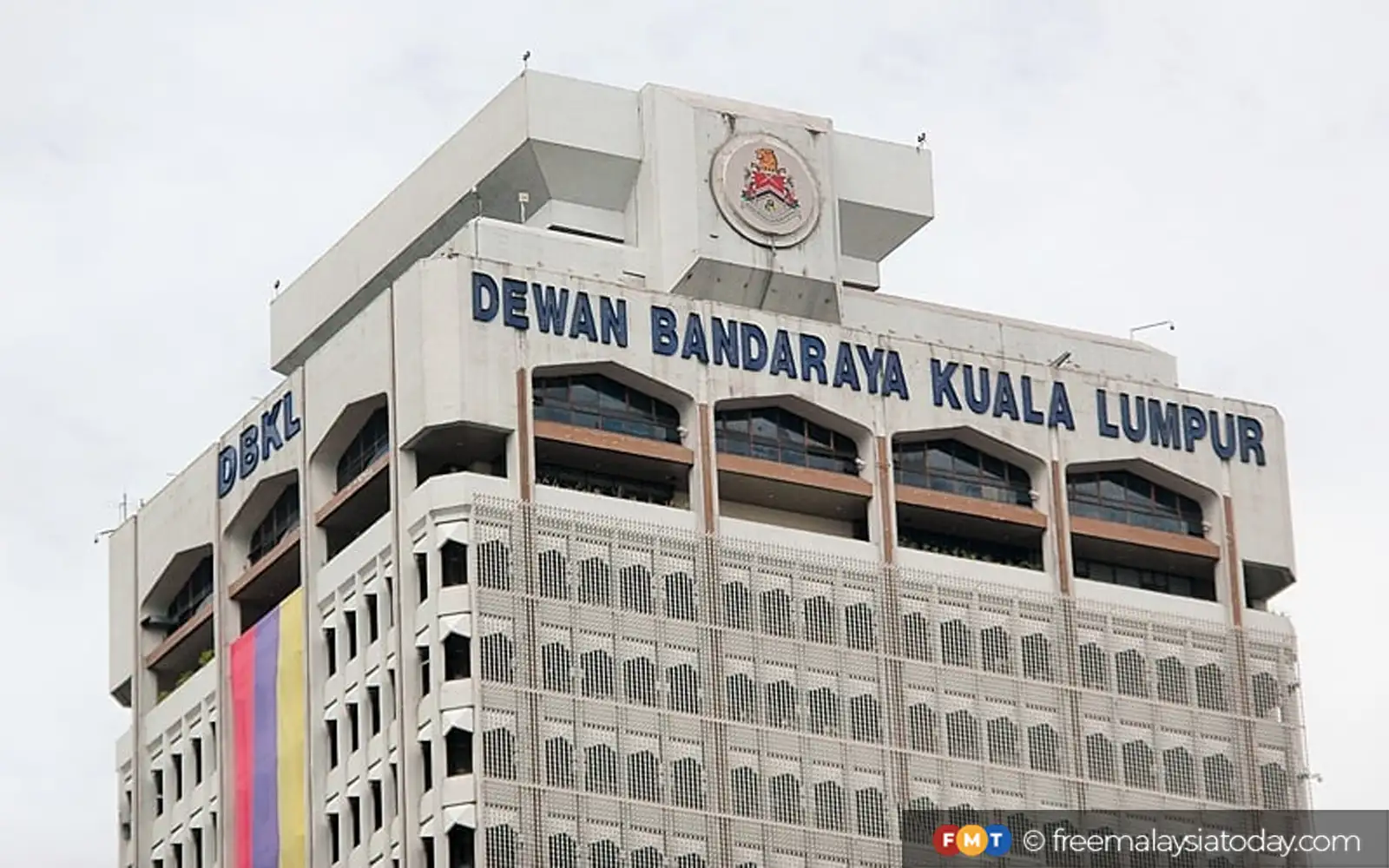 Federal territories minister Hannah Yeoh said the study concluded that there was currently no need to introduce a city councillor system within DBKL.
PETALING JAYA: The Cabinet has directed the federal territories department to implement governance reforms at Kuala Lumpur City Hall (DBKL) before considering amendments to the Federal Capital Act 1960, federal territories minister Hannah Yeoh said today.
Yeoh said the decision followed the Cabinet’s review of a feasibility study by International Islamic University Malaysia (IIUM) on amendments to the Act, conducted between Dec 1, 2025 and March 31 this year.
She said the study found that improving DBKL’s governance did not necessarily require legislative amendments and could begin through administrative measures instead.
“The federal territories department and DBKL are now developing a plan to strengthen DBKL’s governance and ensure the city administration remains relevant and fit for purpose,” Bernama quoted her as saying today.
She said IIUM held engagement sessions with Kuala Lumpur MPs and the DBKL management to gather views on city hall’s administrative structure, decision-making processes, service delivery, enforcement, and accountability.
The study also examined a proposal by the Prime Minister’s Advisory Council to change the legal structure of the Kuala Lumpur mayor from a sole corporation to a corporate body through the establishment of a supreme council, as well as a private member’s bill tabled by several Kuala Lumpur MPs.
Yeoh said the study concluded that amendments to the Act must be approached with caution as they involved the highest level of governance, including the Yang di-Pertuan Agong and the sultan of Selangor, and were closely linked to the Federal Constitution’s historical and constitutional framework.
She said the study also concluded that there was currently no need to introduce a city councillor system within DBKL, as existing governance structures could be strengthened without adding an additional layer that could lead to overlapping functions and unclear accountability.
“It recommended strengthening the DBKL advisory board’s governance framework, including clearer criteria for appointing professionals and representatives from NGOs, and proposed reinforcing the role of Kuala Lumpur MPs as an institution for democratic oversight without granting them direct administrative powers,” she said.
Yeoh said the study reaffirmed that Kuala Lumpur’s administration under the sole corporation model, as provided for under Section 5(1) of the Act, remained consistent with the original legislative intent and that altering the structure could undermine the capital city’s unique governance framework.


You May Also Like

Plume and FalconX Bring Institutional Lending On-Chain with RWA Credit Product

Crypto Investor: I Love XRP. I Was Thinking “$1,000, or $100s” Before This New Reality