China Manufacturing PMI Holds Steady at 51.7 in June, Matching Forecasts
BitcoinWorld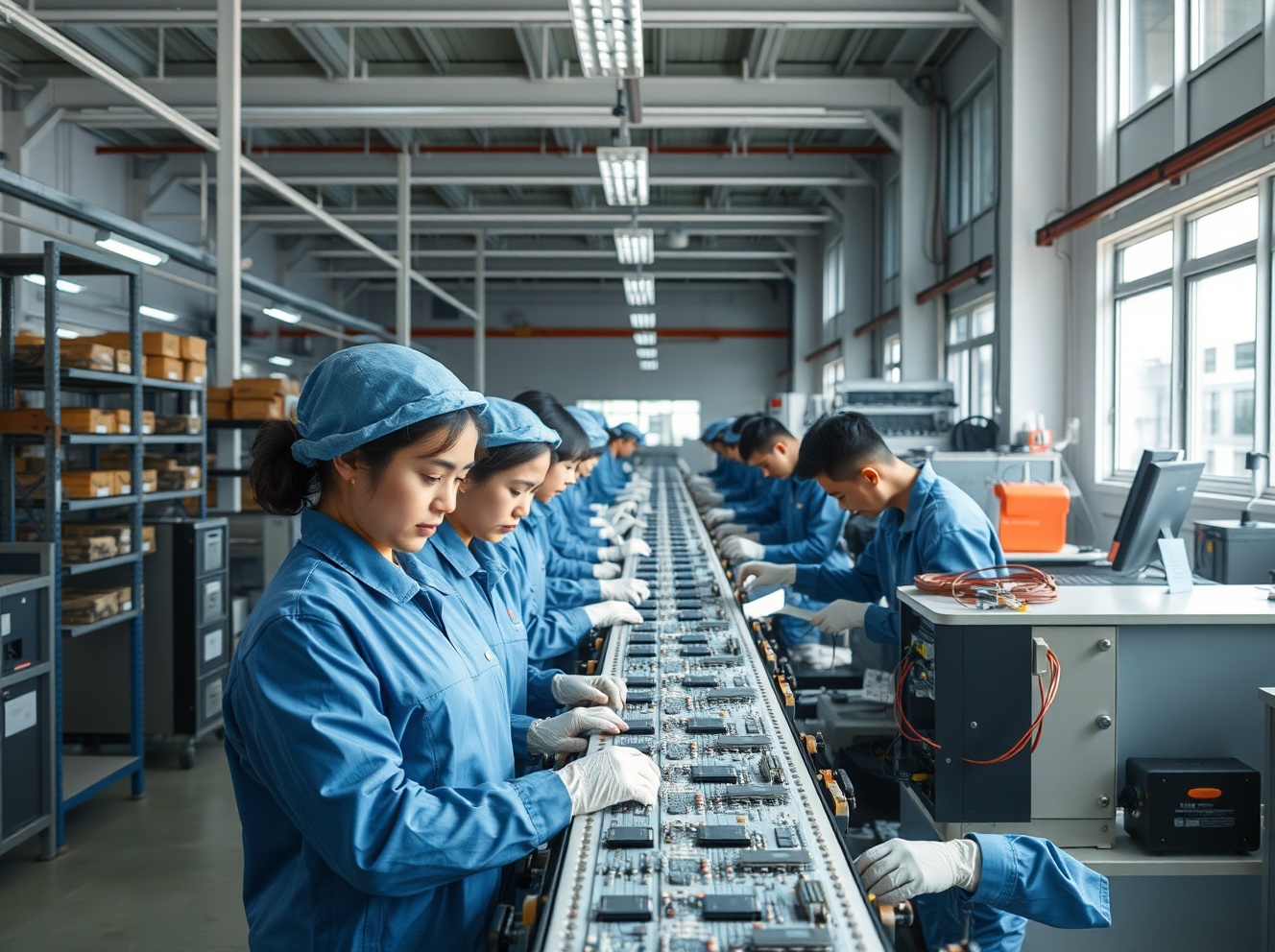
China Manufacturing PMI Holds Steady at 51.7 in June, Matching Forecasts
China’s manufacturing sector continued its gradual expansion in June, with the Caixin Manufacturing Purchasing Managers’ Index (PMI) coming in at 51.7, exactly matching market forecasts. The reading, published by Caixin Media Co. and S&P Global, marks the eighth consecutive month the index has remained above the 50-point threshold that separates expansion from contraction.
Steady Expansion Amid Global Headwinds
The June figure of 51.7 is slightly below May’s reading of 51.8, indicating a marginal cooling in the pace of factory activity growth. Nonetheless, the result signals that China’s industrial sector continues to operate at a moderately expansionary level, supported by resilient domestic demand and steady export orders. Analysts had widely anticipated a print in the 51.5 to 52.0 range, making the actual outcome largely in line with consensus expectations.
The Caixin PMI, which surveys predominantly small and medium-sized private manufacturers, provides a complementary perspective to the official manufacturing PMI published by China’s National Bureau of Statistics. While the official index has shown more variability in recent months, the Caixin gauge has maintained a more consistent expansionary trend, suggesting that the private sector is holding up relatively well.
Key Sub-Indices Offer Mixed Signals
According to the detailed report, sub-indices for output and new orders remained in positive territory, though the rate of growth eased slightly from May. Export orders continued to expand, albeit at a slower pace, reflecting ongoing demand from overseas markets. Employment sub-indices remained near the breakeven line, indicating that manufacturers are not aggressively hiring but also not reducing headcount significantly.
On the price front, input cost inflation moderated, which may provide some relief to manufacturers facing margin pressures. Output prices also rose at a slower rate, suggesting that companies are finding it challenging to pass on higher costs to consumers. This dynamic could weigh on profitability in the near term, particularly for firms with limited pricing power.
Market and Policy Implications
The steady PMI reading is unlikely to trigger any immediate policy shift from the People’s Bank of China. The central bank has maintained a cautiously accommodative stance, providing targeted support to the economy without resorting to aggressive stimulus. The data reinforces the view that China’s economic recovery remains on a moderate trajectory, avoiding both a sharp acceleration and a sudden downturn.
For global investors, the Caixin PMI serves as a real-time gauge of the health of the world’s second-largest economy and a key driver of global supply chains. The consistent expansionary readings suggest that manufacturing output is stable, which is a positive signal for companies reliant on Chinese components and raw materials. However, the marginal deceleration in growth rates warrants attention, as it may indicate that the post-pandemic rebound is gradually losing momentum.
Conclusion
China’s manufacturing sector continues to expand at a steady, moderate pace, with the Caixin PMI meeting expectations at 51.7 in June. While the headline figure is reassuring, the slight easing from the previous month and mixed sub-indices suggest that the recovery is maturing. Policymakers and market participants will closely watch upcoming data for signs of whether the current pace is sustainable or if additional support measures will be needed to maintain momentum.
FAQs
Q1: What does a PMI reading above 50 mean?
A PMI reading above 50 indicates that the manufacturing sector is expanding compared to the previous month. A reading below 50 signals contraction. The Caixin Manufacturing PMI has been above 50 since November 2023.
Q2: How is the Caixin PMI different from China’s official manufacturing PMI?
The Caixin PMI surveys around 400 mostly small and medium-sized private manufacturers, while the official PMI surveys a larger sample that includes state-owned enterprises and larger firms. The Caixin index often provides a better snapshot of private sector conditions.
Q3: Why does the manufacturing PMI matter for global markets?
China is the world’s largest manufacturing hub and a key node in global supply chains. Changes in Chinese factory activity affect commodity prices, shipping rates, and the earnings of multinational companies with exposure to the region.
This post China Manufacturing PMI Holds Steady at 51.7 in June, Matching Forecasts first appeared on BitcoinWorld.


You May Also Like

Ethereum Institutional launched to boost Wall Street adoption after foundation layoffs

Cardio Diagnostics Highlights Precision Tools for Employers and Health Plans at National Benefits Conferences