The design of SMH really concentrates risk in chip pricing and foundry cycles. When hyperscaler orders slow down, or an inventory correction sets in, the same concentration that powered the rally can reverse course just as fast. The fund also provides almost no exposure to the actual gating constraints of the current cycle, namely, power and physical capacity. Data center developers are out there signing multi-year contracts for transformers, switchgear, and grid interconnects that have nothing to do with chip ASPs at all. A semiconductor-only allocation like SMH captures the demand signal just fine, but it completely misses the broader supply chain that is feeding into that demand.
If you own VanEck Semiconductor ETF (NASDAQ:SMH) for AI exposure, you are betting on the same handful of chip designers everyone else holds. SMH is the defaultIf you own VanEck Semiconductor ETF (NASDAQ:SMH) for AI exposure, you are betting on the same handful of chip designers everyone else holds. SMH is the default
Forget the AI Chipmakers. For 0.47% This Fund Owns the Companies Building the Data Centers
For feedback or concerns regarding this content, please contact us at crypto.news@mexc.com
The post Forget the AI Chipmakers. For 0.47% This Fund Owns the Companies Building the Data Centers appeared first on 24/7 Wall St..
If you own VanEck Semiconductor ETF (NASDAQ:SMH) for AI exposure, you are betting on the same handful of chip designers everyone else holds. SMH is the default vehicle for the trade: a concentrated basket led by NVIDIA, Taiwan Semiconductor, and Broadcom that has produced the headline gains of the AI cycle. The case for owning it is straightforward and still mostly intact. The problem is what it leaves out. The hyperscalers’ spending on those chips also needs land, steel, switchgear, transformers, cooling systems, and rail capacity, and SMH owns none of that. A different fund does, at a fee that is competitive with most thematic products on the market.
That fund is Global X U.S. Infrastructure Development ETF (NYSEARCA:PAVE), which charges 0.47% and holds engineering, electrical, materials, and rail companies that are physically building the AI buildout.
Where SMH Falls Short for an AI Infrastructure Thesis
What PAVE Actually Owns
The exposure also captures reshoring and federal infrastructure spending, two adjacent tailwinds that do not require AI capex to keep working. Goldman Sachs Asset Management’s 2026 outlook describes capex-to-sales ratios for European industrial firms at a 10-year high, and Vanguard’s baseline projects U.S. capital expenditure growth of 7.0% in 2026, well above the 3.8% pace of 2023-2024.
The Performance Gap
PAVE is up 20.97% year-to-date through June 23, 2026, against 7.58% for the SPDR S&P 500 ETF Trust (NYSEARCA:SPY). Over the trailing year, PAVE has returned 39% versus 22.23% for SPY, and over five years, it is up 132.05% against 72.57%. It is a cyclical fund that has kept pace with the AI trade while drawing on a different set of drivers.
The Tradeoffs to Flag
A fund like PAVE is pretty rate sensitive, and that is worth keeping in mind. The 10-year Treasury yield was at 4.51% as of June 22, 2026, above the 12-month average of 4.243%. If yields keep climbing from here, it will put pressure on the construction and capex names that anchor this portfolio. Housing starts have already slipped to 1.18 million annualized units in May 2026, down 15.4% from April, indicating real weakness in that part of the cycle. The data center thesis does look more durable than the residential side, but the cyclicality across the fund is still very real.
This fund focuses on physical infrastructure rather than semiconductors, so it does not provide direct exposure to NVIDIA’s earnings power. If that is what you are after, you probably want to keep some allocation to the semiconductor side of your portfolio. The case here is really about replacing a piece of your SMH position, not ditching the entire thing and going all in on PAVE.
Making the Switch
In a taxable account, selling appreciated SMH shares triggers capital gains. A partial swap, redirecting new contributions to PAVE or trimming the most appreciated SMH lots, captures most of the diversification benefit without a full tax event. In a retirement account, the trade is mechanical.
The decision worth weighing is whether your AI exposure should rest entirely on chip pricing power or be split between the chips and the steel, copper, and concrete underneath them. PAVE answers the second question. SMH does not, and the 0.47% expense ratio is competitive with other thematic ETFs.
Don't wait: the analyst who called NVIDIA in 2010 just revealed his top 10 AI stocks. See the full list FREE now.
The post Forget the AI Chipmakers. For 0.47% This Fund Owns the Companies Building the Data Centers appeared first on 24/7 Wall St..
Market Opportunity
Gensyn Price(AI)
$0.02202
$0.02202$0.02202
USD
Gensyn (AI) Live Price Chart
Disclaimer: The articles reposted on this site are sourced from public platforms and are provided for informational purposes only. They do not necessarily reflect the views of MEXC. All rights remain with the original authors. If you believe any content infringes on third-party rights, please contact crypto.news@mexc.com for removal. MEXC makes no guarantees regarding the accuracy, completeness, or timeliness of the content and is not responsible for any actions taken based on the information provided. The content does not constitute financial, legal, or other professional advice, nor should it be considered a recommendation or endorsement by MEXC.
You May Also Like
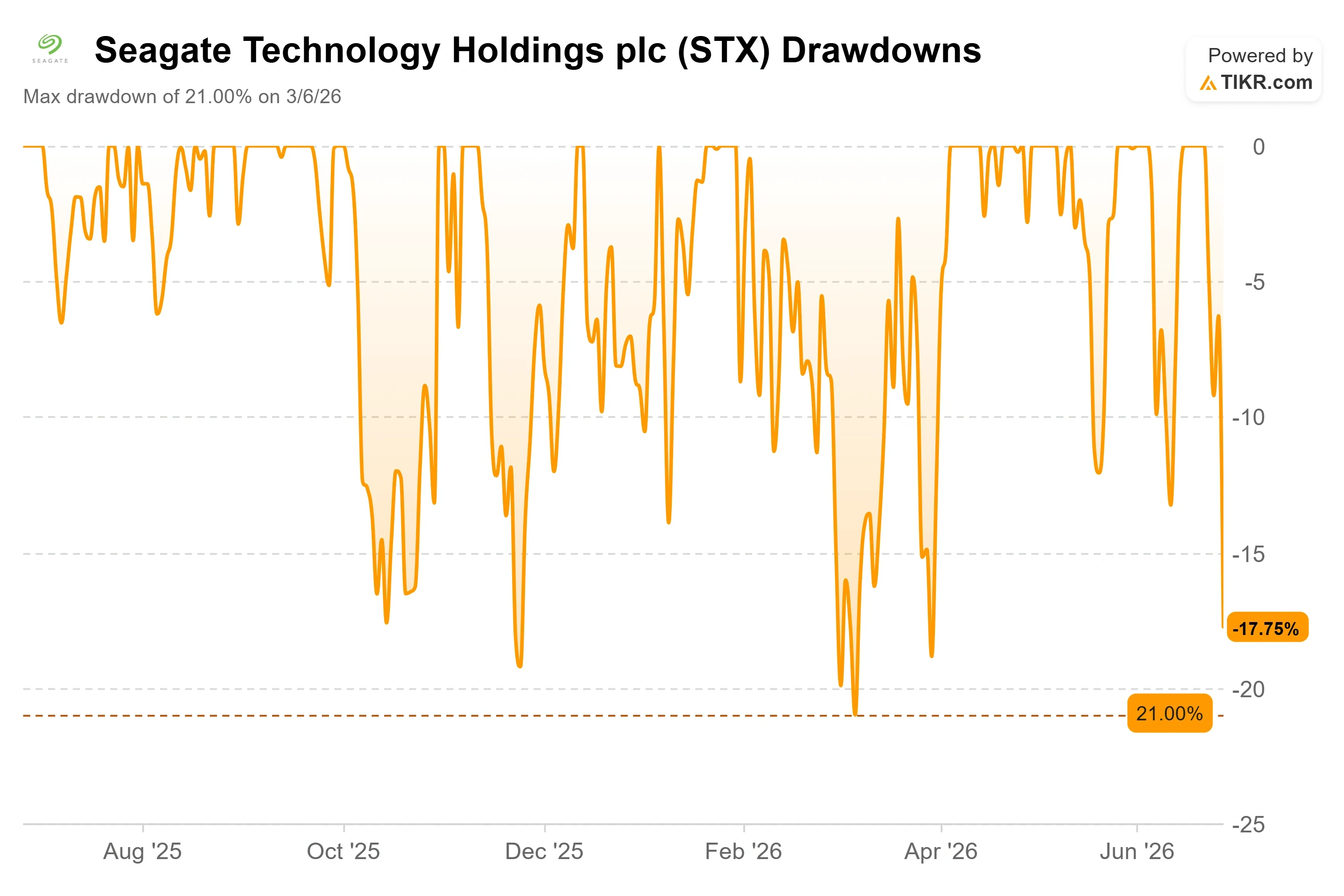
Seagate Stock Fell 12% in a Day. Here’s Where the Stock Could Go in 2026
Seagate stock dropped 12% in a single session on a memory-sector scare that has little to do with what Seagate actually sells. With order books locked through fiscal
Share
TIKR2026/06/28 01:40

George Conway and Mehdi Hasan deliver searing indictment of 'dumb' Trump’s presidency
President Donald Trump's latest vanity project unveiling drew withering criticism online, with the likes of George Conway and Mehdi Hasan ripping him to shreds
Share
Alternet2026/06/28 02:04

BitMine Just 500K ETH Away From 5% Supply Goal
BitMine Moves Closer to Owning 5% of Ethereum Supply, With Just 500,000 ETH Remaining to Reach Its Goal BitMine is rapidly approaching one of the most ambitious
Share
Hokanews2026/06/28 01:57