

Mozambique and Angola Deepen Economic Ties Through High-Level Talks

President Chapo landed at the Protocol Complex of Luanda’s 4 de Fevereiro International Airport, where Angola’s Foreign Minister Tete António and other senior officials received him. The visit is formally framed as a working mission. However, it carries clear strategic weight for both governments as they seek to align diplomatic ties with concrete sector projects.
The agenda focuses on three pillars. First, the two sides aim to strengthen bilateral cooperation, building on decades of political coordination. Second, they will review issues of common interest, notably regional security, transport links and economic diversification. Third, they will discuss current regional and international matters, including coordination within multilateral forums.
Political alignment with economic intent
Angola and Mozambique share a distinctive political history. Their cooperation dates back to the liberation struggles against Portuguese colonial rule, when nationalist movements in both territories maintained close mutual support. Mozambique’s independence on 25 June 1975 and Angola’s on 11 November 1975 cemented that alignment. Diplomatic relations were then formalised on 5 September 1978 through General Cooperation Agreements signed by Presidents Agostinho Neto and Samora Machel, which created the base architecture for state-to-state engagement.
Since then, the relationship has moved from symbolic solidarity to structured engagement. The two governments have deepened political coordination and shared experience in diplomatic, administrative and institutional fields. This now offers a tested channel for more complex economic and sector policy cooperation.
From cooperation frameworks to project pipelines
Over recent decades, Luanda and Maputo have signed a web of legal instruments that extend beyond classic diplomacy into the real economy. Agreements now cover trade, parliamentary exchanges, air transport, tourism, merchant marine, culture, gender equality and official statistics. For investors, these accords reduce policy uncertainty and create a framework under which cross-border projects can be structured.
Moreover, both states are active members of the Community of Portuguese Speaking Countries (CPLP), where they often defend convergent positions on political and economic issues. This shared Lusophone platform can help crowd in finance from Portugal and Brazil, as well as multilateral lenders that use CPLP as a coordination channel.
In practical terms, the current visit offers scope to move from broad frameworks to specific initiatives. Trade agreements can support growth in bilateral flows of food, construction materials and energy-related services. Air transport cooperation can underpin direct routes and code-sharing that shorten travel times between Luanda and Maputo, which would support corporate mobility and tourism.
Merchant marine arrangements are relevant for investors looking at corridor plays that link both countries to regional ports and to global shipping routes in the South Atlantic and Indian Ocean.
Tourism and culture accords provide a basis for joint Lusophone tourism branding, multi-destination packages and cross-border cultural events. Meanwhile, cooperation in official statistics can help harmonise data standards, easing market research and risk assessment for financial investors and corporates that operate across both jurisdictions.
For institutional investors and corporates, this visit is a signal to watch for new or revived memoranda, sector working groups and follow-on technical missions that could convert long-standing Mozambique Angola relations into bankable projects in transport, tourism, logistics and services over the next 12–24 months.
The post Mozambique and Angola Deepen Economic Ties Through High-Level Talks appeared first on FurtherAfrica.


You May Also Like

LayerZero Crosses $260 Billion in Volume Across 830+ Tokens on 170+ Chains

Old Economy vs AI Stocks: Is Sector Diversification Protecting the S&P 500 Rally?
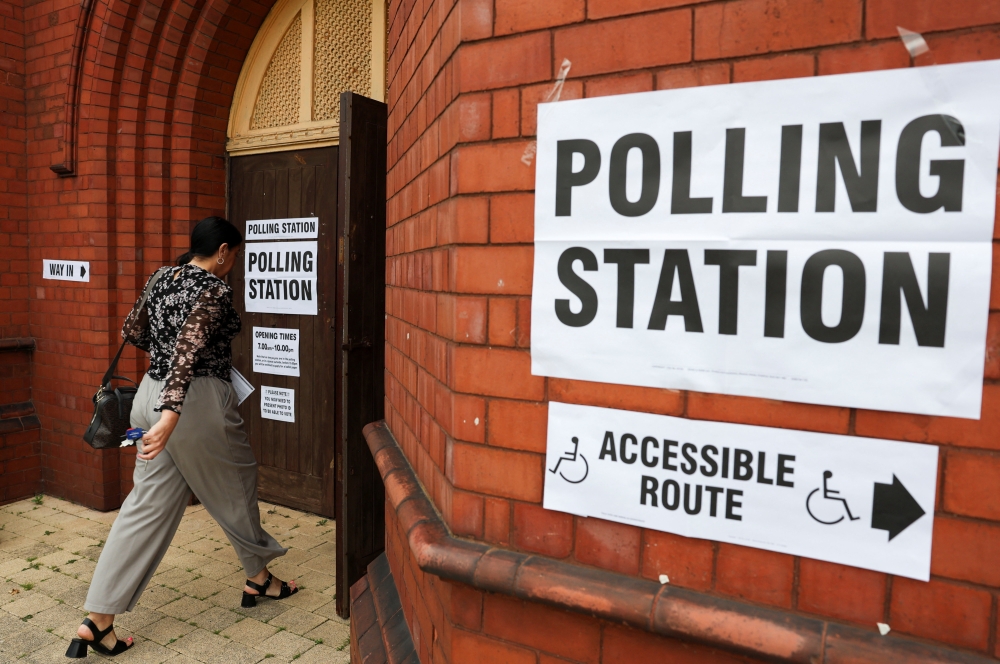
Makerfield votes in by‑election seen as key test for UK PM Starmer’s future as Burnham seeks return



