

Russia finalizes bill banning personal non-custodial crypto wallets, mandates licensed intermediaries
BitcoinWorld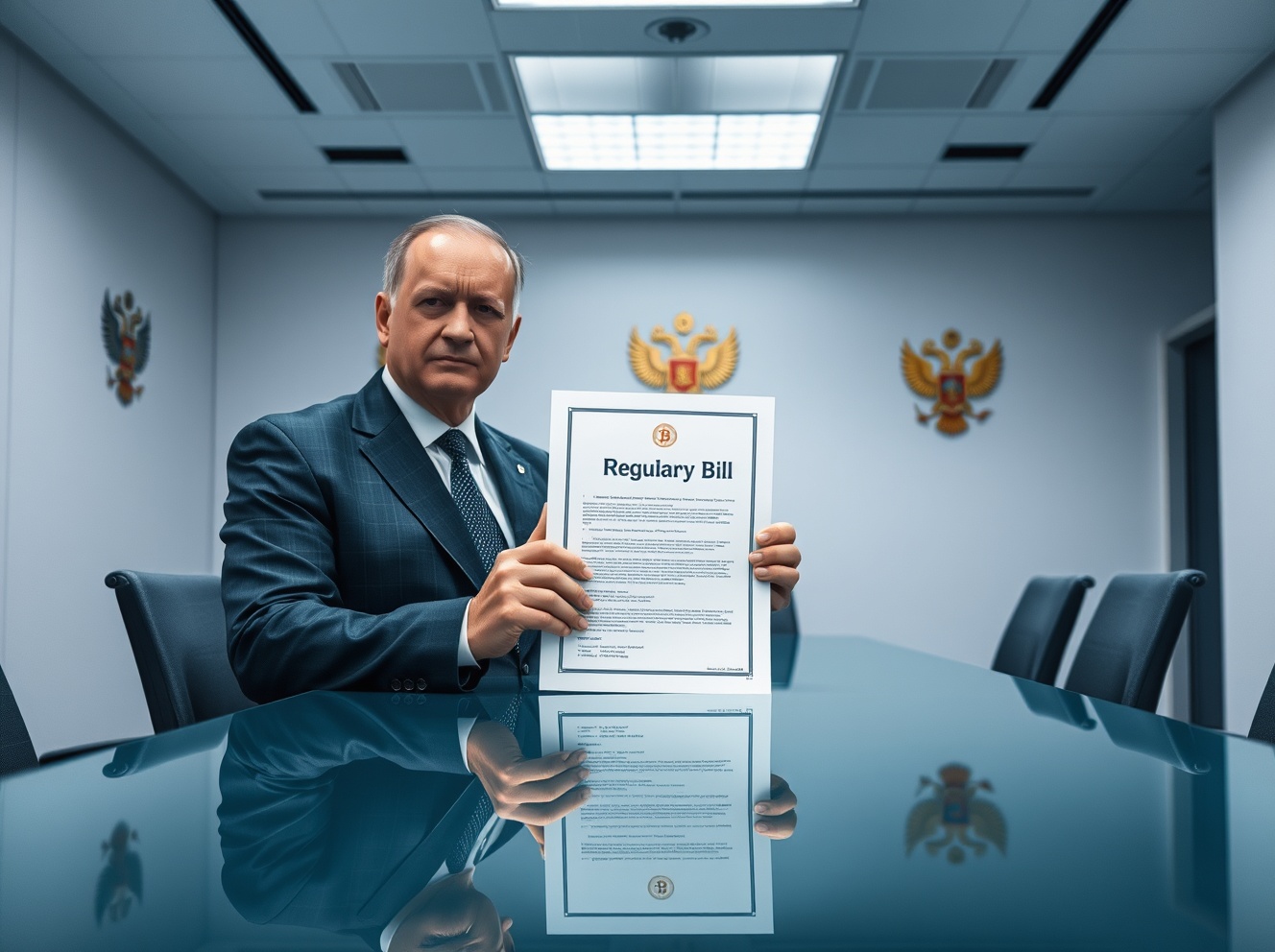
Russia finalizes bill banning personal non-custodial crypto wallets, mandates licensed intermediaries
Russia’s Ministry of Finance has finalized a regulatory bill that will prohibit individual investors from using non-custodial cryptocurrency wallets, according to local media outlet Bits. The final version of the legislation, expected to be announced next week, carves out a narrow exception for participants in foreign economic activities, including importers.
What the bill proposes
Under the proposed law, ordinary individual investors in Russia would only be permitted to trade cryptocurrencies through intermediaries licensed by the central bank. The measure effectively forces all retail crypto activity into a regulated, centralized framework. Non-custodial wallets, which allow users to hold their own private keys and manage funds independently, would be banned for personal use.
The move comes despite opposition from the State Duma’s financial market committee, which had argued against the central bank’s push to prohibit personal wallets. The committee had previously voiced concerns that a blanket ban could drive crypto activity underground and reduce transparency.
Timeline and scope
If the bill is enacted, all individuals and institutions in Russia will be required to trade cryptocurrencies exclusively through central bank-licensed exchanges and intermediaries starting July 1. This represents a significant tightening of Russia’s crypto regulatory landscape, which has been in flux for several years.
The exception for foreign economic activity participants, such as importers, suggests the government recognizes the utility of cryptocurrencies for cross-border payments amid ongoing international sanctions. This carve-out may allow businesses to continue using crypto for trade settlements while restricting individual financial autonomy.
Why this matters for Russian investors
The ban on non-custodial wallets removes a key element of crypto’s appeal: self-custody and financial sovereignty. Russian investors will now have to rely on licensed intermediaries, which are subject to central bank oversight, reporting requirements, and potential transaction limits. This could reduce the attractiveness of crypto as a hedge against currency volatility or capital controls.
Industry observers note that the central bank has long been skeptical of cryptocurrencies, viewing them as a threat to financial stability and a tool for illicit finance. The final bill reflects that stance, prioritizing control and oversight over innovation and individual choice.
Conclusion
Russia’s finalized crypto bill marks a decisive step toward centralized control of digital assets, banning personal non-custodial wallets and mandating licensed intermediaries. While an exception exists for foreign trade participants, ordinary investors face significant restrictions starting July 1. The legislation underscores the ongoing global tension between financial sovereignty and regulatory oversight in the crypto space.
FAQs
Q1: What is a non-custodial crypto wallet?
A non-custodial wallet is a type of cryptocurrency wallet where the user holds their own private keys and has full control over their funds, without relying on a third-party service to manage the assets.
Q2: When will the new Russian crypto regulations take effect?
If the bill is enacted, the regulations are set to take effect on July 1, requiring all individuals and institutions to trade cryptocurrencies only through central bank-licensed exchanges and intermediaries.
Q3: Are there any exceptions to the ban on non-custodial wallets?
Yes, the bill makes an exception for participants in foreign economic activities, such as importers, who may still use non-custodial wallets for cross-border trade settlements.
This post Russia finalizes bill banning personal non-custodial crypto wallets, mandates licensed intermediaries first appeared on BitcoinWorld.


You May Also Like

Egypt finds new gas and oil reserves in Western Desert

Nexpace Commits $10M to NXPC Buyback Program for Ecosystem Stability

Tesla Model 2 Release Date: Everything You Need to Know About Tesla's Most Affordable EV



