The post Flare Brings Non-Custodial XRP Into Decentralized Finance appeared on BitcoinEthereumNews.com. Fintech 25 September 2025 | 12:00 Flare’s native token, FLR, surged nearly 8% in the past day to trade near $0.03, reflecting investor enthusiasm after the network introduced FXRP – a new wrapped version of XRP designed for decentralized finance. With a market capitalization of around $1.9 billion, FLR is positioning itself as a gateway for assets like XRP to enter DeFi at scale. At its core, FXRP is part of Flare’s FAssets system, which transforms tokens without native smart contracts into onchain, overcollateralized assets. For XRP holders, that means the ability to mint a one-to-one version of their coins that can be deployed into lending markets, liquidity pools, or other DeFi applications. Unlike earlier custodial wrappers that struggled to gain adoption, FXRP uses Flare’s own oracle and data connectors to keep the process decentralized and verifiable. The rollout is starting cautiously, with just five million FXRP available during the first week, though the ceiling will expand over time. Holders can mint directly through Flare’s independent agents or acquire FXRP on decentralized exchanges such as SparkDEX, BlazeSwap, and Enosys. Popular wallets like Luminite and Oxen Flow have already integrated support for minting, swapping, and bridging. Flare is also dangling incentives to bring liquidity onto the network. Rewards in rFLR – its native emissions token – will be distributed to FXRP trading pools, with some early pairs targeting aggressive yields. Borrowing against FXRP is being rolled out as well, providing more utility for the wrapped asset. Security has been a central talking point. The FAssets system has been audited by Zellic and Coinspect, with additional bug bounties and constant monitoring from Hypernative in place. These safeguards are designed to reassure users that the infrastructure can handle large-scale activity. The launch represents a bigger shift for XRP, which has long sat outside… The post Flare Brings Non-Custodial XRP Into Decentralized Finance appeared on BitcoinEthereumNews.com. Fintech 25 September 2025 | 12:00 Flare’s native token, FLR, surged nearly 8% in the past day to trade near $0.03, reflecting investor enthusiasm after the network introduced FXRP – a new wrapped version of XRP designed for decentralized finance. With a market capitalization of around $1.9 billion, FLR is positioning itself as a gateway for assets like XRP to enter DeFi at scale. At its core, FXRP is part of Flare’s FAssets system, which transforms tokens without native smart contracts into onchain, overcollateralized assets. For XRP holders, that means the ability to mint a one-to-one version of their coins that can be deployed into lending markets, liquidity pools, or other DeFi applications. Unlike earlier custodial wrappers that struggled to gain adoption, FXRP uses Flare’s own oracle and data connectors to keep the process decentralized and verifiable. The rollout is starting cautiously, with just five million FXRP available during the first week, though the ceiling will expand over time. Holders can mint directly through Flare’s independent agents or acquire FXRP on decentralized exchanges such as SparkDEX, BlazeSwap, and Enosys. Popular wallets like Luminite and Oxen Flow have already integrated support for minting, swapping, and bridging. Flare is also dangling incentives to bring liquidity onto the network. Rewards in rFLR – its native emissions token – will be distributed to FXRP trading pools, with some early pairs targeting aggressive yields. Borrowing against FXRP is being rolled out as well, providing more utility for the wrapped asset. Security has been a central talking point. The FAssets system has been audited by Zellic and Coinspect, with additional bug bounties and constant monitoring from Hypernative in place. These safeguards are designed to reassure users that the infrastructure can handle large-scale activity. The launch represents a bigger shift for XRP, which has long sat outside…

Flare Brings Non-Custodial XRP Into Decentralized Finance

Fintech

Flare’s native token, FLR, surged nearly 8% in the past day to trade near $0.03, reflecting investor enthusiasm after the network introduced FXRP – a new wrapped version of XRP designed for decentralized finance.

With a market capitalization of around $1.9 billion, FLR is positioning itself as a gateway for assets like XRP to enter DeFi at scale.

At its core, FXRP is part of Flare’s FAssets system, which transforms tokens without native smart contracts into onchain, overcollateralized assets. For XRP holders, that means the ability to mint a one-to-one version of their coins that can be deployed into lending markets, liquidity pools, or other DeFi applications. Unlike earlier custodial wrappers that struggled to gain adoption, FXRP uses Flare’s own oracle and data connectors to keep the process decentralized and verifiable.

The rollout is starting cautiously, with just five million FXRP available during the first week, though the ceiling will expand over time. Holders can mint directly through Flare’s independent agents or acquire FXRP on decentralized exchanges such as SparkDEX, BlazeSwap, and Enosys. Popular wallets like Luminite and Oxen Flow have already integrated support for minting, swapping, and bridging.

Flare is also dangling incentives to bring liquidity onto the network. Rewards in rFLR – its native emissions token – will be distributed to FXRP trading pools, with some early pairs targeting aggressive yields. Borrowing against FXRP is being rolled out as well, providing more utility for the wrapped asset.

Security has been a central talking point. The FAssets system has been audited by Zellic and Coinspect, with additional bug bounties and constant monitoring from Hypernative in place. These safeguards are designed to reassure users that the infrastructure can handle large-scale activity.

The launch represents a bigger shift for XRP, which has long sat outside the core of DeFi innovation. Just this week, Midas announced mXRP in partnership with Axelar, offering yet another route for tokenized XRP to find its way into decentralized applications. Flare, however, is pitching FXRP as the first fully non-custodial, overcollateralized option – one it says could set the standard for bringing legacy tokens into Web3.

Looking ahead, Flare plans to extend its FAssets system to cover other major non-smart contract coins, including Bitcoin and Dogecoin. If successful, the network could become a hub for bridging traditional cryptocurrencies into the decentralized economy.


The information provided in this article is for educational purposes only and does not constitute financial, investment, or trading advice. Coindoo.com does not endorse or recommend any specific investment strategy or cryptocurrency. Always conduct your own research and consult with a licensed financial advisor before making any investment decisions.

Author

Alexander Zdravkov is a person who always looks for the logic behind things. He is fluent in German and has more than 3 years of experience in the crypto space, where he skillfully identifies new trends in the world of digital currencies. Whether providing in-depth analysis or daily reports on all topics, his deep understanding and enthusiasm for what he does make him a valuable member of the team.


Next article

Source: https://coindoo.com/ripple-news-flare-brings-non-custodial-xrp-into-decentralized-finance/

Market Opportunity
XRP Logo
XRP Price(XRP)
$1.4635
$1.4635$1.4635
-3.23%
USD
XRP (XRP) Live Price Chart
Disclaimer: The articles reposted on this site are sourced from public platforms and are provided for informational purposes only. They do not necessarily reflect the views of MEXC. All rights remain with the original authors. If you believe any content infringes on third-party rights, please contact service@support.mexc.com for removal. MEXC makes no guarantees regarding the accuracy, completeness, or timeliness of the content and is not responsible for any actions taken based on the information provided. The content does not constitute financial, legal, or other professional advice, nor should it be considered a recommendation or endorsement by MEXC.

You May Also Like

Cashing In On University Patents Means Giving Up On Our Innovation Future

Cashing In On University Patents Means Giving Up On Our Innovation Future

The post Cashing In On University Patents Means Giving Up On Our Innovation Future appeared on BitcoinEthereumNews.com. “It’s a raid on American innovation that would deliver pennies to the Treasury while kneecapping the very engine of our economic and medical progress,” writes Pipes. Getty Images Washington is addicted to taxing success. Now, Commerce Secretary Howard Lutnick is floating a plan to skim half the patent earnings from inventions developed at universities with federal funding. It’s being sold as a way to shore up programs like Social Security. In reality, it’s a raid on American innovation that would deliver pennies to the Treasury while kneecapping the very engine of our economic and medical progress. Yes, taxpayer dollars support early-stage research. But the real payoff comes later—in the jobs created, cures discovered, and industries launched when universities and private industry turn those discoveries into real products. By comparison, the sums at stake in patent licensing are trivial. Universities collectively earn only about $3.6 billion annually in patent income—less than the federal government spends on Social Security in a single day. Even confiscating half would barely register against a $6 trillion federal budget. And yet the damage from such a policy would be anything but trivial. The true return on taxpayer investment isn’t in licensing checks sent to Washington, but in the downstream economic activity that federally supported research unleashes. Thanks to the bipartisan Bayh-Dole Act of 1980, universities and private industry have powerful incentives to translate early-stage discoveries into real-world products. Before Bayh-Dole, the government hoarded patents from federally funded research, and fewer than 5% were ever licensed. Once universities could own and license their own inventions, innovation exploded. The result has been one of the best returns on investment in government history. Since 1996, university research has added nearly $2 trillion to U.S. industrial output, supported 6.5 million jobs, and launched more than 19,000 startups. Those companies pay…
Share
BitcoinEthereumNews2025/09/18 03:26
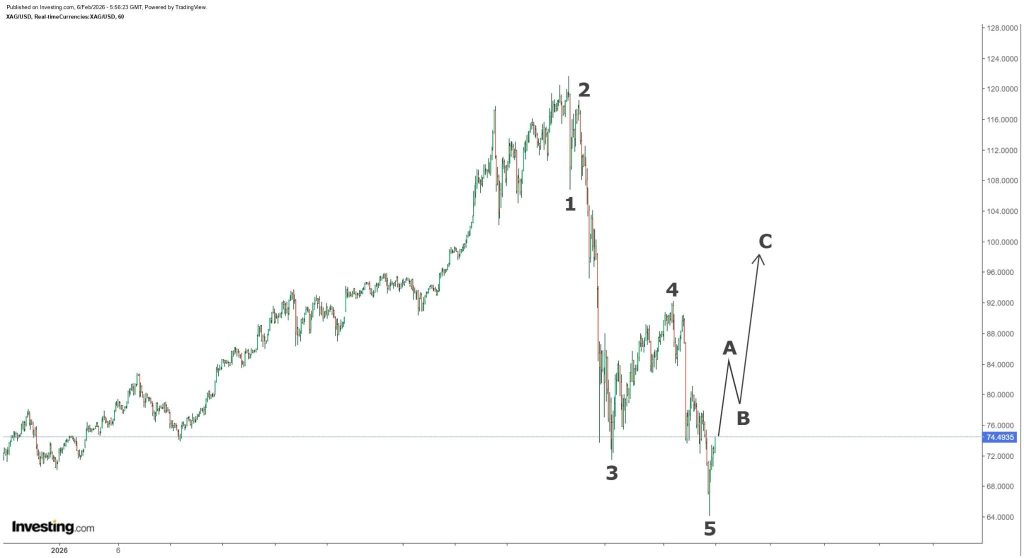
Silver Price Crash Is Over “For Real This Time,” Analyst Predicts a Surge Back Above $90

Silver Price Crash Is Over “For Real This Time,” Analyst Predicts a Surge Back Above $90

Silver has been taking a beating lately, and the Silver price hasn’t exactly been acting like a safe haven. After running up into the highs, the whole move reversed
Share
Captainaltcoin2026/02/07 03:15
Citi Caps Year-End at $4,300, But ETF outflows Challenge Outlook

Citi Caps Year-End at $4,300, But ETF outflows Challenge Outlook

The post Citi Caps Year-End at $4,300, But ETF outflows Challenge Outlook appeared on BitcoinEthereumNews.com. Ethereum Price Prediction: Citi Caps Year-End at $4,300, But ETF outflows Challenge Outlook Disclaimer: The information found on NewsBTC is for educational purposes only. It does not represent the opinions of NewsBTC on whether to buy, sell or hold any investments and naturally investing carries risks. You are advised to conduct your own research before making any investment decisions. Use information provided on this website entirely at your own risk. Related News © 2025 NewsBTC. All Rights Reserved. This website uses cookies. By continuing to use this website you are giving consent to cookies being used. Visit our Privacy Center or Cookie Policy. I Agree Source: https://www.newsbtc.com/news/ethereum/ethereum-price-prediction-citi-caps-year-end-at-4300-but-etf-outflows-challenge-outlook/
Share
BitcoinEthereumNews2025/09/18 14:30