The post Hyperliquid Launches Dollar-Pegged Stablecoin USDH appeared on BitcoinEthereumNews.com. Key Insights: Hyperliquid launched its first native stablecoin, USDH, logging nearly $2 million in early trading. Native Markets, a new startup, won governance rights to manage USDH despite competition from larger players like Paxos and Frax. USDH is backed by cash and US Treasuries and uses Stripe’s Bridge for reserve management. Stablecoin markets saw fresh action on Wednesday as Hyperliquid launched USDH, its first dollar-pegged stablecoin. Early trading on the USDH/USDC market logged about $2.2 million in volume. Native Markets won issuance rights for USDH in a Sept. 14 validator vote and will manage the token’s reserves. Notably, Native Markets is a crypto startup backed by investor Max Fiege and ex-Uniswap Labs chief Mary-Catherine Lader Stablecoin USDH Debuts on Hyperliquid Hyperliquid opened a USDH/USDC spot market as soon as the stablecoin launched. The new token runs on Hyperliquid’s own HyperEVM blockchain, meaning USDH is issued natively on the exchange’s infrastructure. In practice, USDH circulates within HYPE rather than on an external chain, which lets the platform capture yield on stablecoin trading. The native dollar-pair also gives Hyperliquid tighter control over liquidity and fees. HYPE began soliciting bids for the USDH ticker on Sept. 5. Dozens of firms including Paxos and Frax Finance, submitted proposals, but investors and stakeholders ultimately backed Native Markets. Validators voted on Sept. 14, and Native Markets received over two-thirds support. Dragonfly Capital partner Haseeb Qureshi noted that some bidders felt validators were “not interested in considering anyone besides Native Markets,” suggesting the winning proposal had “advanced notice.” Despite these concerns, the vote was decisive: Native Markets won the governance contest for USDH. Dollar-Backed Reserves and Network Integration Native Markets’ proposal pledges that USDH by Hyperliquid will be fully backed by cash and U.S. Treasury securities. The reserves are to include short-dated U.S. Treasuries and cash, managed… The post Hyperliquid Launches Dollar-Pegged Stablecoin USDH appeared on BitcoinEthereumNews.com. Key Insights: Hyperliquid launched its first native stablecoin, USDH, logging nearly $2 million in early trading. Native Markets, a new startup, won governance rights to manage USDH despite competition from larger players like Paxos and Frax. USDH is backed by cash and US Treasuries and uses Stripe’s Bridge for reserve management. Stablecoin markets saw fresh action on Wednesday as Hyperliquid launched USDH, its first dollar-pegged stablecoin. Early trading on the USDH/USDC market logged about $2.2 million in volume. Native Markets won issuance rights for USDH in a Sept. 14 validator vote and will manage the token’s reserves. Notably, Native Markets is a crypto startup backed by investor Max Fiege and ex-Uniswap Labs chief Mary-Catherine Lader Stablecoin USDH Debuts on Hyperliquid Hyperliquid opened a USDH/USDC spot market as soon as the stablecoin launched. The new token runs on Hyperliquid’s own HyperEVM blockchain, meaning USDH is issued natively on the exchange’s infrastructure. In practice, USDH circulates within HYPE rather than on an external chain, which lets the platform capture yield on stablecoin trading. The native dollar-pair also gives Hyperliquid tighter control over liquidity and fees. HYPE began soliciting bids for the USDH ticker on Sept. 5. Dozens of firms including Paxos and Frax Finance, submitted proposals, but investors and stakeholders ultimately backed Native Markets. Validators voted on Sept. 14, and Native Markets received over two-thirds support. Dragonfly Capital partner Haseeb Qureshi noted that some bidders felt validators were “not interested in considering anyone besides Native Markets,” suggesting the winning proposal had “advanced notice.” Despite these concerns, the vote was decisive: Native Markets won the governance contest for USDH. Dollar-Backed Reserves and Network Integration Native Markets’ proposal pledges that USDH by Hyperliquid will be fully backed by cash and U.S. Treasury securities. The reserves are to include short-dated U.S. Treasuries and cash, managed…

Hyperliquid Launches Dollar-Pegged Stablecoin USDH

Key Insights:

  • Hyperliquid launched its first native stablecoin, USDH, logging nearly $2 million in early trading.
  • Native Markets, a new startup, won governance rights to manage USDH despite competition from larger players like Paxos and Frax.
  • USDH is backed by cash and US Treasuries and uses Stripe’s Bridge for reserve management.

Stablecoin markets saw fresh action on Wednesday as Hyperliquid launched USDH, its first dollar-pegged stablecoin.

Early trading on the USDH/USDC market logged about $2.2 million in volume.

Native Markets won issuance rights for USDH in a Sept. 14 validator vote and will manage the token’s reserves.

Notably, Native Markets is a crypto startup backed by investor Max Fiege and ex-Uniswap Labs chief Mary-Catherine Lader

Stablecoin USDH Debuts on Hyperliquid

Hyperliquid opened a USDH/USDC spot market as soon as the stablecoin launched. The new token runs on Hyperliquid’s own HyperEVM blockchain, meaning USDH is issued natively on the exchange’s infrastructure.

In practice, USDH circulates within HYPE rather than on an external chain, which lets the platform capture yield on stablecoin trading. The native dollar-pair also gives Hyperliquid tighter control over liquidity and fees.

HYPE began soliciting bids for the USDH ticker on Sept. 5. Dozens of firms including Paxos and Frax Finance, submitted proposals, but investors and stakeholders ultimately backed Native Markets.

Validators voted on Sept. 14, and Native Markets received over two-thirds support. Dragonfly Capital partner Haseeb Qureshi noted that some bidders felt validators were “not interested in considering anyone besides Native Markets,” suggesting the winning proposal had “advanced notice.”

Despite these concerns, the vote was decisive: Native Markets won the governance contest for USDH.

Dollar-Backed Reserves and Network Integration

Native Markets’ proposal pledges that USDH by Hyperliquid will be fully backed by cash and U.S. Treasury securities.

The reserves are to include short-dated U.S. Treasuries and cash, managed partly off-chain via Stripe’s Bridge tokenization platform and partly on-chain with oracle feeds for transparency.

In other words, the stablecoin is a fully collateralized stablecoin whose issuer will publish reserve data on-chain.

The token’s design also channels a portion of reserve interest to buying back Hyperliquid’s native HYPE crypto.

USDH’s launch comes as stablecoin use grows: on-chain data show total stablecoin supply approaching a record 280 billion.

By creating its own USD-backed token, Hyperliquid adds another dollar pair to its exchange and keeps more trading and collateral activity within its own network.

The new coin effectively gives Hyperliquid its own built-in dollar rails, which the exchange hopes will boost liquidity and fee revenue.

In the past week, Hyperliquid’s native token HYPE has fallen about 8%, based on CoinGecko data. At the same time, the exchange faces pressure from Aster, a BNB Chain-based perpetuals platform.

DefiLlama figures from Wednesday showed Aster processing nearly $53 billion in daily perpetuals volume, more than twice Hyperliquid’s $10 billion at the time.

Source: https://www.thecoinrepublic.com/2025/09/25/hyperliquid-launches-dollar-pegged-stablecoin-usdh/

Market Opportunity
Wink Logo
Wink Price(LIKE)
$0.001614
$0.001614$0.001614
-5.22%
USD
Wink (LIKE) Live Price Chart
Disclaimer: The articles reposted on this site are sourced from public platforms and are provided for informational purposes only. They do not necessarily reflect the views of MEXC. All rights remain with the original authors. If you believe any content infringes on third-party rights, please contact service@support.mexc.com for removal. MEXC makes no guarantees regarding the accuracy, completeness, or timeliness of the content and is not responsible for any actions taken based on the information provided. The content does not constitute financial, legal, or other professional advice, nor should it be considered a recommendation or endorsement by MEXC.

You May Also Like

Cashing In On University Patents Means Giving Up On Our Innovation Future

Cashing In On University Patents Means Giving Up On Our Innovation Future

The post Cashing In On University Patents Means Giving Up On Our Innovation Future appeared on BitcoinEthereumNews.com. “It’s a raid on American innovation that would deliver pennies to the Treasury while kneecapping the very engine of our economic and medical progress,” writes Pipes. Getty Images Washington is addicted to taxing success. Now, Commerce Secretary Howard Lutnick is floating a plan to skim half the patent earnings from inventions developed at universities with federal funding. It’s being sold as a way to shore up programs like Social Security. In reality, it’s a raid on American innovation that would deliver pennies to the Treasury while kneecapping the very engine of our economic and medical progress. Yes, taxpayer dollars support early-stage research. But the real payoff comes later—in the jobs created, cures discovered, and industries launched when universities and private industry turn those discoveries into real products. By comparison, the sums at stake in patent licensing are trivial. Universities collectively earn only about $3.6 billion annually in patent income—less than the federal government spends on Social Security in a single day. Even confiscating half would barely register against a $6 trillion federal budget. And yet the damage from such a policy would be anything but trivial. The true return on taxpayer investment isn’t in licensing checks sent to Washington, but in the downstream economic activity that federally supported research unleashes. Thanks to the bipartisan Bayh-Dole Act of 1980, universities and private industry have powerful incentives to translate early-stage discoveries into real-world products. Before Bayh-Dole, the government hoarded patents from federally funded research, and fewer than 5% were ever licensed. Once universities could own and license their own inventions, innovation exploded. The result has been one of the best returns on investment in government history. Since 1996, university research has added nearly $2 trillion to U.S. industrial output, supported 6.5 million jobs, and launched more than 19,000 startups. Those companies pay…
Share
BitcoinEthereumNews2025/09/18 03:26
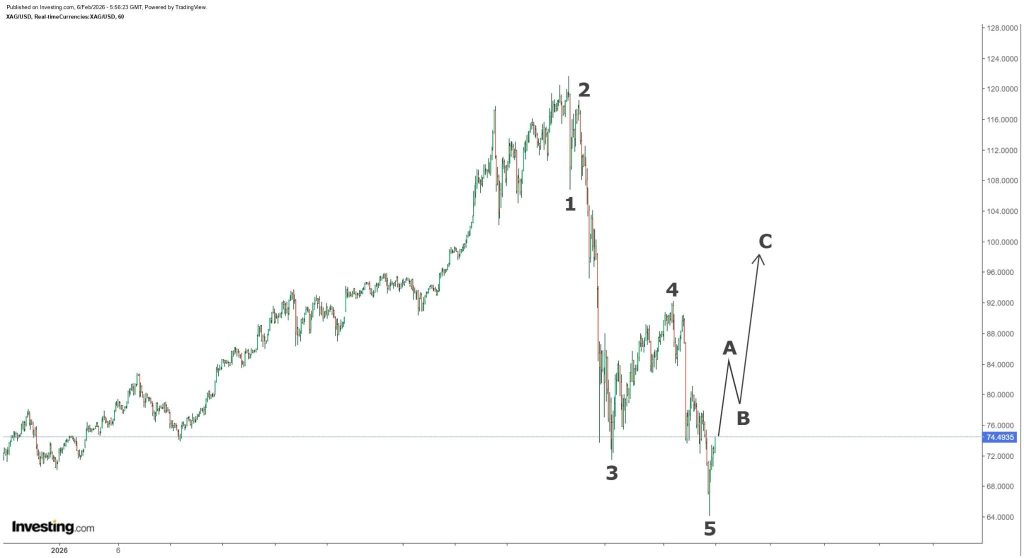
Silver Price Crash Is Over “For Real This Time,” Analyst Predicts a Surge Back Above $90

Silver Price Crash Is Over “For Real This Time,” Analyst Predicts a Surge Back Above $90

Silver has been taking a beating lately, and the Silver price hasn’t exactly been acting like a safe haven. After running up into the highs, the whole move reversed
Share
Captainaltcoin2026/02/07 03:15
Citi Caps Year-End at $4,300, But ETF outflows Challenge Outlook

Citi Caps Year-End at $4,300, But ETF outflows Challenge Outlook

The post Citi Caps Year-End at $4,300, But ETF outflows Challenge Outlook appeared on BitcoinEthereumNews.com. Ethereum Price Prediction: Citi Caps Year-End at $4,300, But ETF outflows Challenge Outlook Disclaimer: The information found on NewsBTC is for educational purposes only. It does not represent the opinions of NewsBTC on whether to buy, sell or hold any investments and naturally investing carries risks. You are advised to conduct your own research before making any investment decisions. Use information provided on this website entirely at your own risk. Related News © 2025 NewsBTC. All Rights Reserved. This website uses cookies. By continuing to use this website you are giving consent to cookies being used. Visit our Privacy Center or Cookie Policy. I Agree Source: https://www.newsbtc.com/news/ethereum/ethereum-price-prediction-citi-caps-year-end-at-4300-but-etf-outflows-challenge-outlook/
Share
BitcoinEthereumNews2025/09/18 14:30