Big Tech Is About to Cross the $1 Trillion AI Spending Milestone — Here’s Who Wins
TLDR
- Wall Street analysts now forecast global hyperscale AI capex could exceed $1 trillion in 2027
- Combined spending for 2026 is estimated between $800–$900 billion, up 67% year-over-year
- Microsoft, Amazon, Alphabet, and Meta all raised their 2026 capex guidance after Q1 earnings
- Higher hardware costs, especially memory pricing, are a key driver of the spending increases
- Chipmakers like Nvidia and infrastructure providers are seen as the main beneficiaries
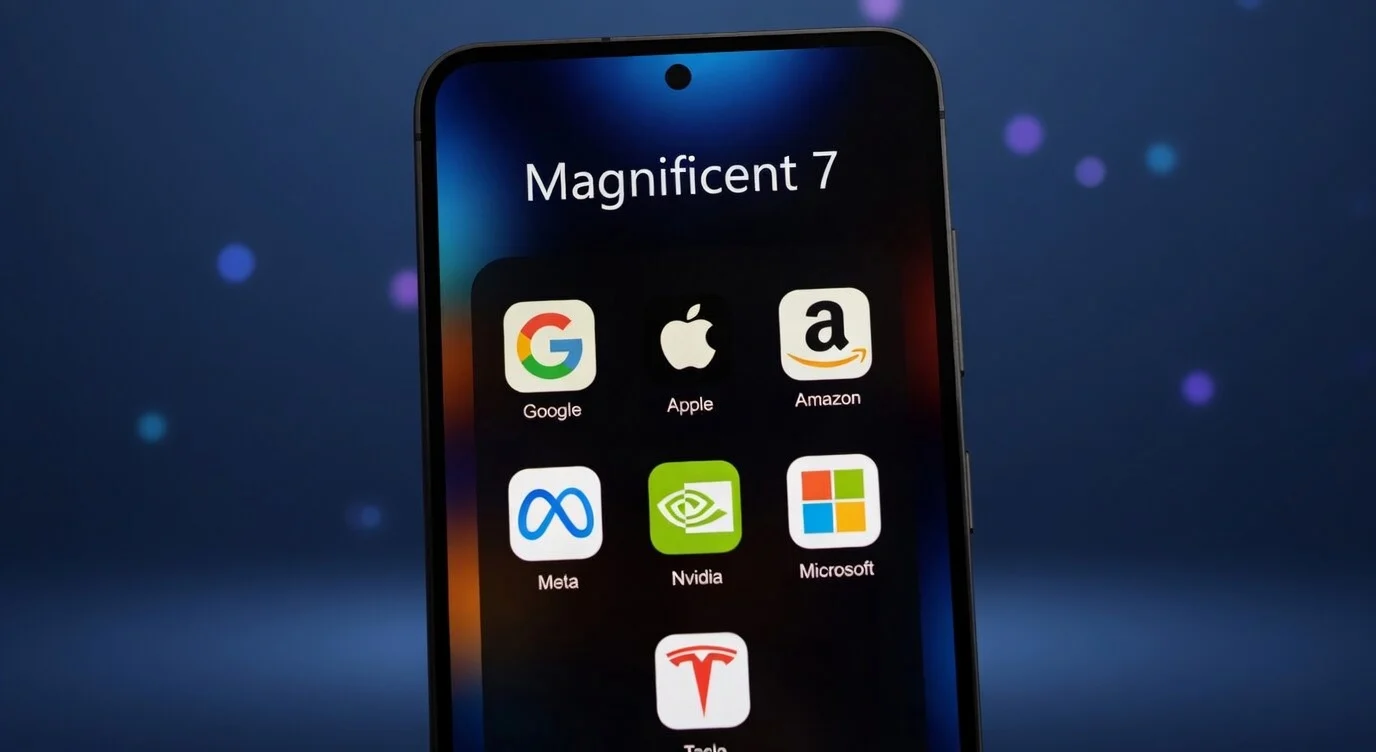
Big Tech companies are planning to spend more than ever on artificial intelligence infrastructure, with Wall Street analysts now projecting total hyperscale capital expenditure could cross $1 trillion in 2027.
Bank of America and Evercore both placed 2027 capex above $1 trillion following Q1 earnings calls from Alphabet, Amazon, Microsoft, and Meta. The 2026 estimates now sit between $800 billion and $900 billion.

Microsoft raised its 2026 capex outlook to $190 billion, up 24% from prior expectations of $154 billion. Amazon held firm at $200 billion. Alphabet lifted its forecast 4% to $185 billion, while Meta raised its range to between $125 billion and $145 billion, up from $115 to $135 billion.
Microsoft noted that $25 billion of its capex increase is directly tied to higher component costs. Meta CEO Mark Zuckerberg said the increase is largely driven by memory pricing.
Alphabet’s results were stronger. Its cloud revenue surged 63% year-over-year, sending shares up roughly 10%. Google’s backlog grew 400% annually to $462 billion.
AI Revenue Is Growing Alongside the Spending
Microsoft reported an annualized AI sales run-rate of over $37 billion, a 123% year-over-year increase. Amazon’s AWS posted its fastest growth in over three years at 28%, driven by AI workloads.
Alphabet is now processing more than 16 billion Gemini tokens per minute. Its search segment grew 19%, aided by AI-integrated queries.
Jefferies analysts noted that despite rising capex, “margin leverage holds for the hyperscalers,” pointing to roughly $2 trillion in backlog and accelerating cloud growth as evidence of returns on investment.
Chipmakers Stand to Gain
The spending surge is good news for semiconductor companies. Nvidia, Micron Technology, Marvell, Arm Holdings, and Astera Labs are among those flagged by RBC Capital Markets as well-positioned.
Intel’s Q1 earnings were strong. Analysts at Evercore pointed to growing demand for custom chips including TPUs, Trainium, and Maia processors, calling it a potential “CPU renaissance.”
AI demand is also driving double-digit growth in wafer fab production, according to RBC.
Supply for high-end AI compute is expected to remain tight throughout 2026. BofA analysts noted that strong customer commitments and improving free cash flow across the sector should continue to support the historic spending levels.
The post Big Tech Is About to Cross the $1 Trillion AI Spending Milestone — Here’s Who Wins appeared first on CoinCentral.


You May Also Like

Xiaomi Stock Rises 7% as April EV Deliveries Jump 50%

BTC Price Trades at $66K With 44% of Supply Now in the Red