USDT CFD Trading: How to Trade CFDs with USDT on MEXC
USDT CFD trading lets crypto users access price movements in global markets such as forex, gold, oil, indices, and stocks without owning the underlying asset. Instead of buying physical gold, shares, or currency pairs, traders use contracts for difference to trade the price change between entry and exit.
On MEXC, CFD trading is designed for users who are already familiar with crypto exchange workflows. Users can move USDT from their Spot account into the CFD/tradFi trading account, while the MT5 account balance may be denominated in USD at a 1:1 conversion basis. This makes the experience easier for traders who already hold USDT but want exposure beyond crypto markets.
What Is USDT CFD Trading?
A CFD, or contract for difference, is a leveraged derivative. It does not involve delivery of the underlying asset. Traders open long or short positions and settle the price difference.
In a USDT CFD workflow, USDT is used as the funding path. The trading account may then display balances in USD depending on platform rules.
| Feature | MEXC CFD Trading |
|---|---|
| Funding path | Spot USDT can be transferred into the CFD/tradFi account |
| Account display | MT5 account balance may be shown in USD at a 1:1 basis |
| Markets | Forex, gold, oil, indices, stocks and other CFD instruments |
| Platforms | MEXC App, MEXC Web, MT5 App and MT5 client |
| Position direction | Long and short supported |
| Product structure | No ownership of the underlying asset; price difference settlement only |
This is different from spot crypto trading. It is also different from buying tokenized stocks or holding physical commodities.
How Trading CFDs with USDT Works on MEXC
The basic flow is:
- Transfer USDT from Spot into the CFD/tradFi account.
- Open the CFD trading interface through MEXC or MT5, where available.
- Choose a CFD instrument such as forex, gold, oil, an index, or a stock.
- Open a long or short position.
- Margin is used to support the position.
- Profit and loss are calculated based on price movement, fees, swap costs, and instrument rules.
The key point: USDT makes the funding path familiar for crypto users, but the CFD itself follows CFD rules. That includes instrument-specific leverage, market hours, spread, swap, and margin requirements.
MEXC CFD vs Crypto Futures
For crypto futures traders, CFDs may look familiar because both products use margin and allow long or short positions. The trading logic, however, is not the same.
| Area | MEXC CFD | Crypto Perpetual Futures |
|---|---|---|
| Main markets | Forex, gold, oil, indices, stocks | Mainly crypto assets |
| Pricing model | Platform or liquidity-provider pricing with spread | Exchange order book with mark/index price |
| Leverage | Fixed by instrument | Usually selectable by user |
| Margin mode | Full margin model, depending on product rules | Cross or isolated margin may be available |
| Position model | Separate positions; hedging supported | Positions often merge by symbol and direction |
| Cost structure | Spread + swap/overnight cost + commission | Trading fee + funding rate |
| Trading hours | May follow traditional market hours | Usually 24/7 for crypto markets |
| Main risk | Leverage, spread, swap, gap risk, market closure | Leverage, liquidation, funding, crypto volatility |
The biggest mental shift is cost. Crypto futures traders usually watch funding rates. CFD traders must watch spread, swap, commission, and trading session rules.
What Can You Trade with USDT CFDs?
MEXC CFD trading can connect crypto users to non-crypto markets. Depending on availability, CFD categories may include:
| Market Type | Examples | Why Crypto Traders May Care |
|---|---|---|
| Forex | EUR/USD, USD/JPY, GBP/USD | Macro, central banks, dollar strength |
| Metals | Gold, silver | Inflation, risk-off demand, USD movement |
| Energy | Crude oil, natural gas | Supply shocks, inventory data, geopolitics |
| Indices | Nasdaq, S&P 500, Dow Jones | Tech stocks, risk sentiment, macro events |
| Stocks | Major US equities | Earnings, AI, sector momentum |
This is the core value of USDT CFD trading: crypto users can use a familiar funding route to access global market price movements.
Costs to Watch
MEXC CFD costs are not the same as crypto futures costs. The main cost components are:
| Cost | What It Means |
|---|---|
| Spread | Difference between buy and sell price |
| Swap / overnight cost | Charged when positions pass a settlement time |
| Commission | Trading fee charged according to product rules |
| Gap risk | Price may jump after market close, weekends, or major events |
| Conversion basis | USDT funding and USD account display may follow a 1:1 basis |
A low trading fee alone does not mean low total cost. For CFDs, the spread and swap cost can matter more than many crypto traders expect.
What Makes MEXC CFD Useful for Crypto Traders?
MEXC's CFD setup is strongest for traders who already understand crypto exchange accounts, USDT balances, and leveraged trading. Instead of opening a traditional broker account first, users can access CFD-style markets through a more familiar crypto-native environment.
The practical advantages are:
- USDT-based funding from Spot into CFD/tradFi account
- Access through MEXC App, Web, and MT5 where supported
- Exposure to forex, metals, energy, indices, and stocks
- Long and short trading
- Stop-loss and take-profit order support
- A structure that bridges crypto trading habits with traditional market instruments
The more important point is that this is not crypto futures with different assets. CFD traders need to respect market sessions, fixed leverage, spreads, swap fees, and macro-event risk.
FAQs
1. What is USDT CFD trading?
USDT CFD trading means using USDT as the funding path to trade contracts for difference. On MEXC, users can transfer USDT from Spot into the CFD/tradFi account, while the MT5 account may display balances in USD at a 1:1 basis.
2. Is USDT CFD trading the same as crypto futures trading?
No. Crypto futures usually use order books, funding rates, and selectable leverage. CFDs use spread-based pricing, swap or overnight costs, and instrument-specific rules.
3. Can I trade gold or forex CFDs with USDT on MEXC?
MEXC CFD is designed to cover markets such as forex, gold, oil, indices, and stocks, depending on availability and regional product rules.
4. Does CFD trading run 24/7 like crypto futures?
Not always. Forex may trade close to 24x5, while indices and stock CFDs may follow exchange trading hours and holiday schedules.
5. What is the biggest risk in USDT CFD trading?
The biggest risks are leverage, market gaps, swap costs, and fast price moves around macro events. Extreme market conditions may also create negative-balance scenarios depending on product rules.
Risk Warning
CFDs are complex leveraged products and may not be suitable for all users. Trading CFDs with USDT does not remove leverage risk, liquidity risk, spread risk, swap cost, market gap risk, counterparty risk, stablecoin risk, or regional regulatory risk. Crypto assets are volatile and may result in partial or total loss. Always review MEXC product rules, fees, margin requirements, trading hours, and regional availability before trading.
Popular Articles
View More
Will SPCX Soar to $227 or Crash to $63? Here Is the Real SpaceX Stock Price Prediction
SpaceX stock is already trading well above what most Wall Street analysts think it is worth. SPCX shares touched an all time high of $225.64 in their first week on the Nasdaq, yet the average analyst

COAR Coin: Chinese Oil Asset Reserve and the Asset-Backed Question
COAR is not interesting because it says oil. Plenty of small tokens say oil now. COAR is interesting because it says asset. That one word changes the way traders read the pitch. It makes the token

FOMC Meeting Schedule 2026: Every Fed Decision Date, Dot Plot Release, and What to Expect
If you trade around macro news, the FOMC meeting schedule is the one calendar worth pinning to your wall. Nearly every rate decision the Federal Reserve makes starts on one of eight pre-set dates a
Hot Crypto Updates
View More
US Strikes Iran: What It Means for Oil, Crypto, and Global Markets
Overview On June 10, 2026, US Central Command launched strikes against multiple targets in Iran after an American Apache helicopter was shot down near the Strait of Hormuz, shattering a fragile
What Is Jable.tv? The Complete 2026 Guide
What is Jable.tv, and why are so many people confusing it with the JAB cryptocurrency token in 2026? This complete guide breaks down the adult streaming site, its real risks, and how the Jable name

Does Jable.tv Have a Virus? 2026 Security Scan Results & What You Actually Need to Know
Does Jable.tv have a virus? We ran Jable.tv through Google Safe Browsing, VirusTotal, and 91 threat engines — here's what the data actually shows, what the real risks are, and how to stay safe in

Trending News
View More
ETH Treasury Buying: Can Bitmine’s $136M Purchase Revive the Wall Street Ethereum Trade?
BitMine’s $136M ETH buy and 9.5% preferred raise spotlight treasury demand as desks track basis, liquidity and funding costs. Could this revive Wall Street?
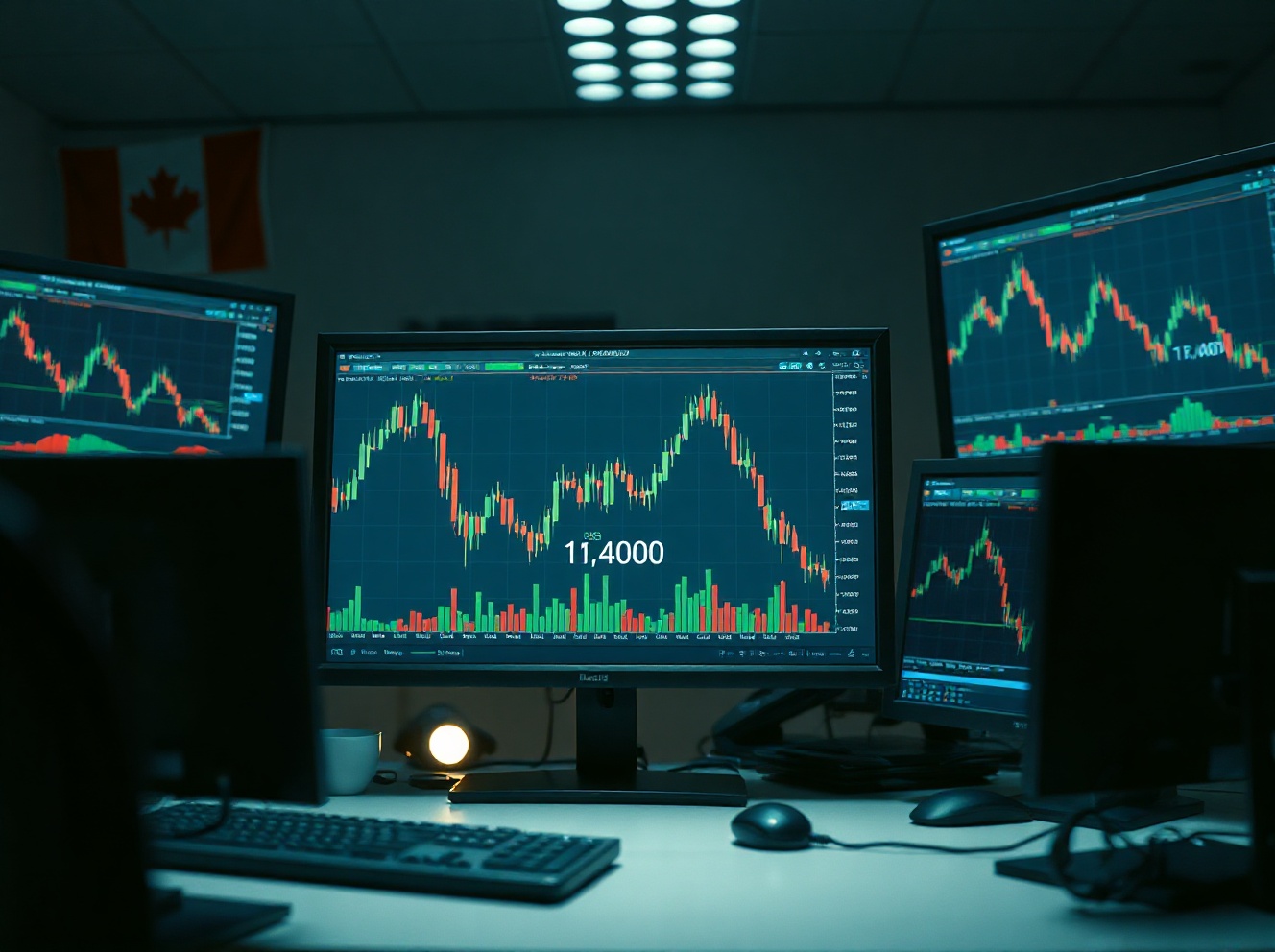
USD/CAD Holds Above 1.4000: Bullish Bias Persists Despite Overbought RSI Signals
BitcoinWorld USD/CAD Holds Above 1.4000: Bullish Bias Persists Despite Overbought RSI Signals The USD/CAD currency pair continues to trade above the psychologically


Related Articles
View MoreCOAR Coin: Chinese Oil Asset Reserve and the Asset-Backed Question
COAR is not interesting because it says oil. Plenty of small tokens say oil now. COAR is interesting because it says asset. That one word changes the way traders read the pitch. It makes the token sou

EUR/USD CFD Trading: How Crypto Traders Can Trade Forex with USDT on MEXC
EUR/USD is not a crypto pair, but many crypto traders already understand the habit behind it: watch liquidity, watch the dollar, watch macro expectations, and react when the market reprices risk. That

Silver CFD Trading: How Crypto Traders Can Trade Silver with USDT on MEXC
Silver sits in a different corner of the market from both gold and Bitcoin. It is a precious metal, but it is also tied to industrial demand. That mix can make silver more reactive, more cyclical, and