You can quickly find the tokens you want to spot trade by searching their token names. Spot trading on MEXC is divided into several sections, including the Main Zone, Innovation Zone, AssessmentYou can quickly find the tokens you want to spot trade by searching their token names. Spot trading on MEXC is divided into several sections, including the Main Zone, Innovation Zone, Assessment
Learn/Trading Guide/Spot/Introductio...ading Zones

Introduction to MEXC Spot Trading Zones

Sep 21, 2026MEXC
0m
Lagrange
LA$0.07465+1.19%
Bitcoin
BTC$86,478.67+0.51%
ELYSIA
EL$0.001867+7.36%
ZKsync
ZK$0.011951+3.06%


You can quickly find the tokens you want to spot trade by searching their token names. Spot trading on MEXC is divided into several sections, including the Main Zone, Innovation Zone, Assessment Zone, MEME, ZK, and Arbitrum. Apart from the first three, the other sections are named after current events and token types.

So what are the differences between the Main Zone, Innovation Zone, and Assessment Zone?

1. Main Zone


The Main Zone contains well-established tokens. These are mostly mainstream cryptocurrencies with more mature projects, higher market capitalization, and trading volumes. Some of the most common tokens found in the Main Zone include BTC, ETH, and MX.


2. Innovation Zone


The Innovation Zone primarily features emerging projects. Compared to the Main Zone market, tokens in the Innovation Zone often exhibit greater price volatility and higher risk. It's better to exercise caution and conduct thorough research before trading in the Innovation Zone. The image below displays Innovation Zone tokens.


3. Assessment Zone


Projects in the Assessment Zone are typically non-initial listings, including early-stage projects that meet a certain user base threshold and have been recommended for listing by the community. Certain early-stage projects in the Assessment Zone may still require time and market testing. Prices of tokens in this zone can be quite volatile, so users are advised to exercise caution and be aware of potential delisting risks when buying at a high price. The image below displays tokens listed in the Assessment Zone.


Do note that tokens in the Assessment Zone are regularly evaluated. After entering the Assessment Zone, tokens undergo a 60-day evaluation period. If they pass the evaluation, they will be moved to the Innovation Zone. Conversely, if they fail to pass the evaluation, the token will be delisted.

Note:


  • If the project performs well overall before the evaluation period ends, MEXC will remove it from the Assessment Zone and move it to the Innovation Zone after the evaluation is completed.
  • If the project does not show effective improvement before the end of the evaluation period, MEXC will add an "ST" warning tag to the relevant trading pairs and initiate the delisting process. For more details, please refer to: ST Warning Rules.
  • If a project triggers the ST Warning Rules during the evaluation period, the evaluation will be terminated prematurely. MEXC will then add an "ST" warning label to the relevant trading pairs and initiate the delisting process.
  • The assessment period for projects that are moved to the Assessment Zone is 30 days, while the assessment period for projects that are originally listed in the Assessment Zone is 60 days.


Disclaimer: This information does not provide advice on investment, taxation, legal, financial, accounting, or any other related services, nor does it constitute advice to purchase, sell, or hold any assets. MEXC Learn provides information for reference purposes only and does not constitute investment advice. Please ensure you fully understand the risks involved and exercise caution when investing. The platform is not responsible for users' investment decisions.

Market Opportunity
Lagrange Logo
Lagrange Price(LA)
$0.07465
$0.07465$0.07465
-1.36%
USD
Lagrange (LA) Live Price Chart

Trending News

View More
Weak Jobs Report Eases Fed Fears, But AI Stocks Still Slide: What Traders Should Watch Next

Weak Jobs Report Eases Fed Fears, But AI Stocks Still Slide: What Traders Should Watch Next

The U.S. June jobs report signaled a clear economic slowdown, missing expectations and lowering Federal Reserve rate hike fears. Despite lower Treasury yields, AI and tech stocks slid, proving that ma

Is Altcoin Season Here? What the Latest Market Data Shows

Is Altcoin Season Here? What the Latest Market Data Shows

Altcoins are rallying, but the Altcoin Season Index and Bitcoin dominance show that a full altseason has not been confirmed yet.


Tokenized Stock Trading: How the SEC's 5-Year Trial Works

Tokenized Stock Trading: How the SEC's 5-Year Trial Works

The U.S. Securities and Exchange Commission has created a five-year regulatory pathway for limited onchain trading of tokenized U.S. equities, marking one of the clearest attempts yet to bring blockch

Bitcoin-Backed Borrowing: How Circle Unlocks USDC

Bitcoin-Backed Borrowing: How Circle Unlocks USDC

Circle has launched Digital Asset-Backed Borrowing for eligible Circle Mint LLC customers, creating an integrated institutional workflow that allows Bitcoin holders to access USDC liquidity without fi

Related Articles

View More
Must-Read for New Users! 11 MEXC Spot Trading FAQs

Must-Read for New Users! 11 MEXC Spot Trading FAQs

As the cryptocurrency market rapidly develops, spot trading has gradually become the preferred entry point into the digital asset world for many investors, especially beginners. Spot trading offers ad
Spot Market Trading Rules

Spot Market Trading Rules

In cryptocurrency spot trading, beyond price analysis and strategy selection, understanding and following the trading platform's market rules is equally crucial. For MEXC users, each trading pair not
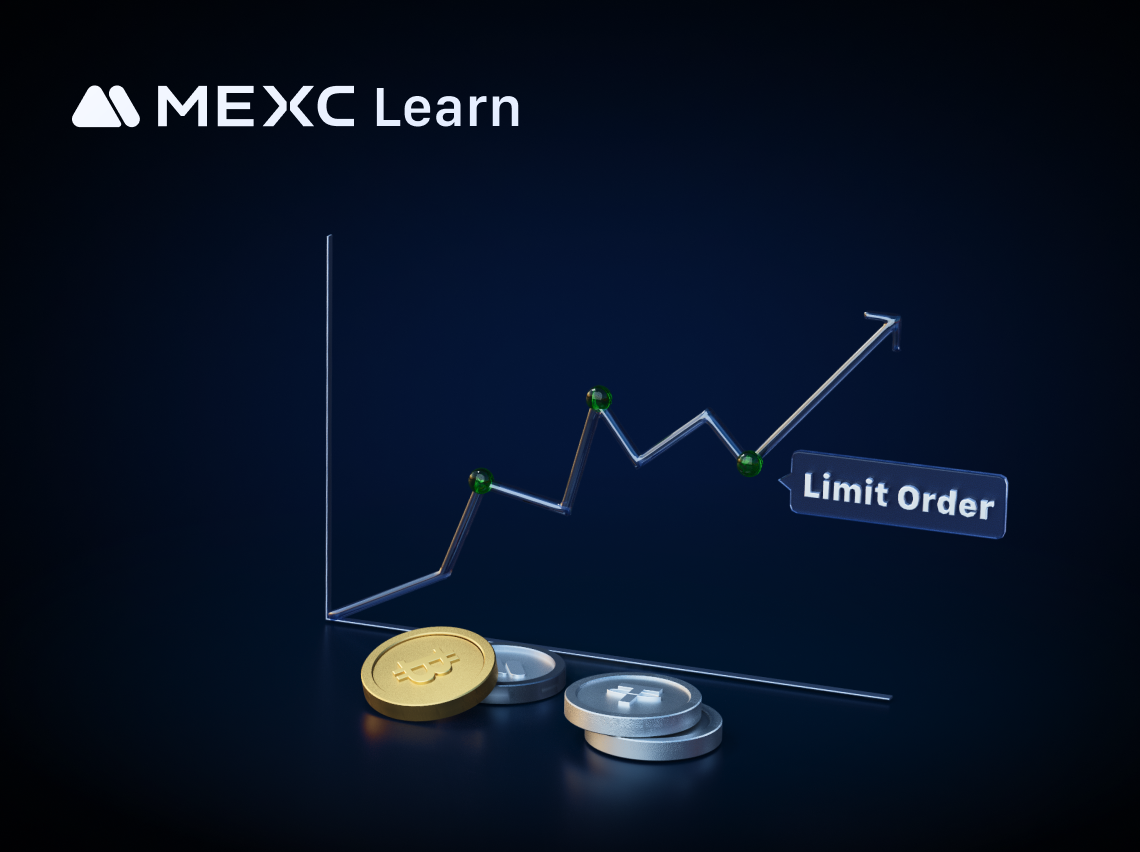
What is a Limit Order?

What is a Limit Order?

In the cryptocurrency market, limit orders serve as a critical trading mechanism, enabling investors to exercise precise control over the execution price of their trades.1. What Is Limit Order?1.1 Def

What are Take-Profit/Stop-Loss Orders? Your Automated Tool for Risk Management and Profit Locking

What are Take-Profit/Stop-Loss Orders? Your Automated Tool for Risk Management and Profit Locking

1. What Is a Take-Profit/Stop-Loss Order? A Take-Profit/Stop-Loss order lets users set a trigger price in advance, along with the price and quantity to buy or sell once the trigger is reached. When th

Sign Up on MEXC
Sign Up & Receive Up to 10,000 USDT Bonus
What's Your Wall Street DNA?
What's Your Wall Street DNA?What's Your Wall Street DNA?
6 personas. Everyone wins a share of $30K in NVDAX.