

Lilly quietly hands Chinese partner its cancer drug
Eli Lilly (LLY) climbed to new record highs in the final week of June, driven by strong sales of its weight-loss drugs.
Away from that spotlight, the drugmaker made changes to a smaller corner of its business in its second-largest market.
On June 30, Lilly agreed to hand a Chinese partner full commercial control of one of its cancer drugs.
The move looks minor next to Mounjaro and Zepbound. However, it actually shows how Lilly plans to defend its older products in China while pouring its energy into the drugs that really move the stock.
Here is what changed, and what it signals for anyone holding LLY.
What Eli Lilly gave Innovent, and what it kept
Under the agreement, Innovent Biologics takes over importing, marketing, distributing, and promoting the breast cancer drug Verzenios across mainland China, Reuters reported.
Lilly keeps the parts tied to quality and control.
It remains the Marketing Authorization Holder and continues to manage manufacturing, supply, and product development, according to a press release.
Neither side disclosed financial terms.
For Innovent, this marks its eighth collaboration with Lilly and increases its lineup of partnered, on-market products in China to seven. That local reach is what makes the partnership valuable.
Innovent already runs an oncology sales team built for the Chinese market, so it can push Verzenios better than a foreign operator managing the drug from a distance.
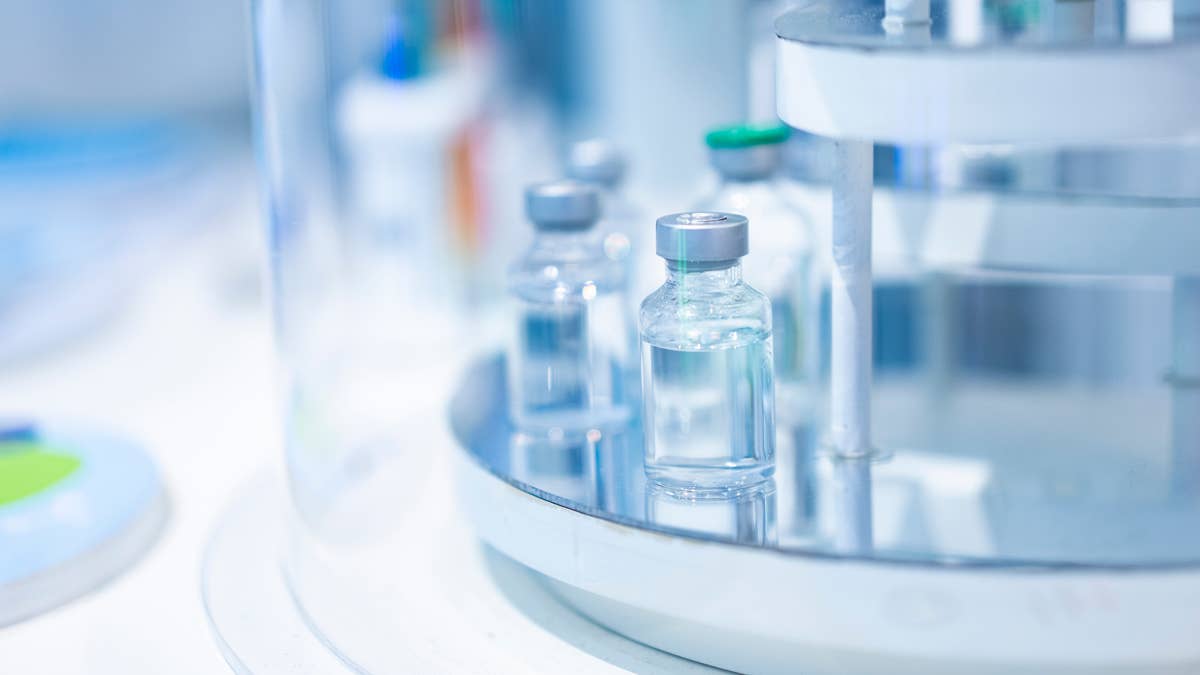 Eli Lilly is reshaping how it sells older drugs in China, its second-largest market.
skaman306 &sol Getty Images
Why Lilly is stepping back from a drug it still owns
Jefferies analyst Cui Cui told Reuters that the deal looks like a late-lifecycle management. That's the stage when a company hands off a maturing product instead of running it on its own.
Verzenios still sells well in China. It generated 1.5 billion yuan, which is about $221 million, in 2025. That's up from 1.4 billion yuan a year earlier.
The drug also carries strong access. Verzenios joined China's National Reimbursement Drug List in 2021 as the first CDK4/6 inhibitor on the list and renewed that spot in 2025, according to Stock Titan.
So why give up ground now?
Related: Jim Cramer turns bullish on health care stock after years of doubt
A generic version from a Qingfeng Pharmaceutical Group unit has already been approved, Reuters confirmed. However, it cannot launch until Lilly's Chinese compound patent expires in late 2029.
That gap hands Innovent a clear runway to sell before competitors arrive.
How the deal fits Lilly's bigger China balancing act
China is Lilly's second-largest market after the United States, with 2025 revenue of $1.95 billion, up 18% from a year earlier, TipRanks reported.
The country is also a rising source of risk. LLY shares hit an all-time high near$1,238 on June 29, then slipped about 2% the next day.
The drop happened as reports spread of generic tirzepatide, the ingredient behind its weight-loss drugs, circulating in China.
More Pharma Stocks:
- Eli Lilly makes surprising retreat from major market
- Eli Lilly's hottest drugs face a quiet new threat
- Goldman Sachs doubles down on Novo stock target after key event
Around the same time, the U.S. House Select Committee on China opened a national security review into how major drugmakers, including Lilly, run clinical trials in China. The companies were given a July 17 response deadline.
Handing Verzenios to a local partner lets Lilly continue earning from Chinese oncology demand while reducing its involvement in a market under heavy political scrutiny.
What LLY investors should watch next
The Verzenios deal will not move Lilly's earnings on its own.
The signal carries more weight, because it shows a repeatable way to protect older drugs without draining the GLP-1 franchise.
For investors weighing the stock, a few markers stand out.
Key things to watch on LLY and China:
- Verzenios protection in China runs to late 2029, so watch for any earlier generic challenge.
- The July 17 congressional deadline could reshape how Lilly structures future trials and partnerships.
- Reports of generic tirzepatide in China test Lilly's biggest growth engine, which is a strain its European pullback and pricing pressure already show.
None of this shifts the core outlook, which still rests on Mounjaro, Zepbound, and the oral pill Foundayo.
The Innovent deal simply shows Lilly clearing the small fights so it can focus on the one it actually wants.
Related: JPMorgan resets UnitedHealth stock target for 2026


추천 콘텐츠

Hermes MoA 2.0 Combines GPT, Claude, And DeepSeek To Outscore Any Single Model
'Great Injustice Reversed': Belgian Soccer Furious As FIFA Allows Suspended US Star To Play

Q2 Market Insights: Bitcoin regains dominance in risk-averse environment, ETFs remain critical to market structure


인기 뉴스
더보기
