Fed independence is eroding: what it means in practice
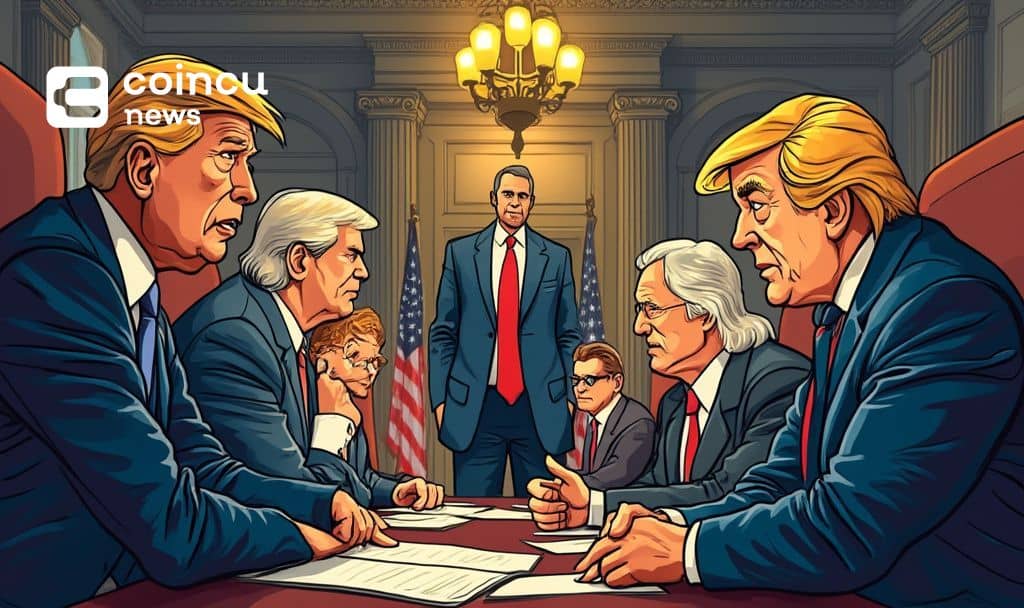
According to the Federal Reserve Bank of Boston, central bank independence has been eroded. In practical terms, this means more visible attempts to sway interest-rate decisions and supervisory judgments through public campaigns and political leverage.
Erosion also shows up as investigations or procedural demands that risk chilling internal debate, along with proposals to loosen protections for leadership tenure. The net effect is to blur the line between legitimate oversight and political pressure on the Fed, raising questions about data-first decision-making.
Why this erosion matters for inflation, growth, and credibility
Macroeconomically, independence underpins credibility. When policy is perceived as insulated from short-term politics, inflation expectations stay better anchored, lowering the real cost of disinflation. Weakening independence can unmoor expectations, forcing tighter policy later for the same outcome.
The Peterson Institute for International Economics modeled a hypothetical erosion scenario and found long-run costs: nearly $2.5 trillion less cumulative real GDP by 2040 and inflation about two percentage points higher, despite any short-term lift (https://www.piie.com/research/piie-charts/2025/erosion-fed-independence-would-slow-us-economic-growth-and-boost).
As New York Fed President John C. Williams has argued, institutional credibility is central to outcomes; he warned that undermining autonomy leads to “bad economic outcomes,” underscoring the link between independence and anchored expectations.
The pressure has been unusually public. On December 16, 2025, former White House economist Kevin Hassett emphasized that Federal Reserve independence is essential and said the institution should resist political pressure unless justified by evidence. In late 2025, a criminal investigation into Chair Jerome Powell prompted a joint public statement by former Fed chairs and former Treasury secretaries condemning the move as an effort that would undermine independence.
On February 4, 2026, Treasury Secretary Scott Bessent said public trust had been damaged by the inflation surge and framed cost overruns or political speech by officials as further encroachments. In January 2026, John C. Williams publicly defended Chair Powell and cautioned against political interference.
Industry sentiment has also crystallized. As reported by American Banker, an IntraFi survey of 441 banking executives found 88% support limiting presidential removal of Fed officials to proven cause, reflecting concern about proposals for broader at-will authority (https://www.americanbanker.com/news/bankers-back-fed-independence-as-scotus-mulls-removability).
At the time of this writing, market context reflects a cautious backdrop; based on NYSE delayed quotations, State Street Corporation’s STT-PG closed at $22.98, with a stated forward dividend yield of 5.82% and a March 2, 2026 ex-date.
Legal safeguards and structure of the Federal Reserve
For-cause removal versus at-will: implications for central bank autonomy
“For-cause” removal narrows executive control to demonstrable misconduct or neglect, supporting policy continuity through political cycles. By contrast, “at-will” authority would heighten political pressure on the Fed and shorten the policy horizon.
The industry view is clear: American Banker reported that 88% of surveyed bank executives prefer for-cause protections, signaling expectations that insulation from immediate political shifts is integral to Federal Reserve independence.
How the Fed’s 12 districts support distributed governance and independence
The Federal Reserve’s 12 districts distribute power geographically across regional Reserve Banks. This diffusion reduces single-point political risk and embeds diverse real-economy insights into deliberations.
A distributed structure also complicates capture: multiple leaders, distinct boards, and regionally grounded analysis make sustained, centralized interference harder, reinforcing autonomy in both monetary policy and supervision.
FAQ about Federal Reserve independence
What recent events or statements show political pressure on the Fed in 2025–2026?
Bessent criticized the Fed’s trust loss; a DOJ probe targeted Chair Powell; and John C. Williams warned political encroachment risks bad outcomes.
Can a U.S. president remove the Fed chair at will, or only for cause?
The question is contested. Industry data show bankers prefer for-cause protections, and litigation over removability is active; at-will proposals would heighten political pressure on the Fed.
| DISCLAIMER: The information on this website is provided as general market commentary and does not constitute investment advice. We encourage you to do your own research before investing. |
Source: https://coincu.com/news/u-s-treasuries-steady-as-fed-independence-faces-pressure/