The most important shift in investing today is not technological — it is behavioral.The New Investor Mindset For years, Web2 and Web3 investors were treatThe most important shift in investing today is not technological — it is behavioral.The New Investor Mindset For years, Web2 and Web3 investors were treat

When Web2 Meets Web3: The New Investor Mindset

2026/01/28 21:13

The most important shift in investing today is not technological — it is behavioral.

The New Investor Mindset

For years, Web2 and Web3 investors were treated as fundamentally different species: one cautious and data-driven, the other speculative and narrative-led. By 2025, that distinction no longer holds. After multiple market cycles, collapsed protocols, and diminishing returns, investors across both worlds have arrived at the same conclusion: yield without structure is meaningless. What now defines the modern investor is not whether they operate on-chain or off-chain, but their demand for transparency, verifiable cash flow, and risk they can actually understand.

Where Two Opposite Mindsets Unite

Looking at aggregated user behavior on 8lends, a p2p crowdlending platform, the profile of the 2025 global investor is shaped by two historically different groups that are now converging around the same priorities: transparency and direct access to real economic activity. On one side are traditional, Web2-oriented investors, with early activity concentrated in Tier-1 markets such as Germany, France, and Spain. Their approach is familiar and disciplined. They assess deals through business models, financials, repayment history, and collateral, build diversified portfolios, and make decisions grounded in risk management rather than momentum.

On the other side is the Web3-native audience, shaped by years of extreme volatility, speculative narratives, and rapid price movements. In that environment, branding, promises, and roadmaps often mattered more than fundamentals. But by 2025, that behavior is changing decisively. After repeated market failures, collapsed protocols, and unrealistic APYs, Web3 investors are actively moving away from abstractions and toward investments they can understand and verify.

The Terra/Luna collapse alone erased over $40 billion in market value, exposing how yield models built on reflexive token demand could unravel almost overnight. In later cycles, multiple platforms froze withdrawals during liquidity stress, reinforcing that ‘instant liquidity’ was often an illusion rather than a feature. By 2024–2025, as DeFi lending yields compressed from once-promoted double-digit returns to roughly 5–11% on major protocols, many investors recognized that earlier profits were driven more by incentives and leverage than by sustainable, real economic activity. They now demand clear data, transparent scoring logic, predictable mechanics, and visibility into how revenue is actually generated.

The remaining difference between Web2 and Web3 investors lies mainly in how they arrived here. Web2 investors have always started with fundamentals. Web3 investors, once driven by emotion and narratives, are now adopting the same data-driven mindset. This is where the profiles merge. Both groups expect real businesses behind deals, clear numbers, transparent risk assessment, and predictable terms. The 2025 investor is no longer defined by technology or geography, but by the ability to follow, question, and verify an investment model without relying on blind trust.

FinTech Market Responds to The Merged Investor Mindset

Investors are increasingly searching for projects where they can clearly see how profits are generated and their funds are protected. SME crowdlending happened to combine all the features to satisfy this demand, offering exposure to tangible economic activity rather than abstract token mechanics. In the face of extreme need for transparency, global reach, and a crypto-native audience, we at Maclear transformed the accumulated experience into a new product, 8lends, which is powered by smart contracts at its core.

Bringing Maclear’s credit discipline on-chain wasn’t a simple copy-paste of traditional processes. Web3 users have different habits and expectations. They want to understand how decisions are made, not rely on reputation or regulation alone. To meet this need, the credit process was redesigned: what information is analyzed, how borrowers are assessed, and how risks are monitored are all made visible. The system is structured so investors can follow the logic themselves, without blind trust.

Information delivery was another key adaptation. Web2 investors accept that thorough credit analysis takes time, yet Web3 users expect real-time updates. To balance these expectations, 8lends presents progress clearly and continuously, allowing users to stay connected without compromising underwriting rigor. Consistency remains crucial. Even when a default occurred, all investors were fully repaid, reinforcing the reliability of Maclear’s disciplined approach. Standardizing data presentation on-chain allows users to verify the logic themselves, while blockchain ensures funding flows, repayments, and performance metrics are visible in real time.

To be more detailed, take a look at the Gold Car Rent project from the UAE. This is real yield in action: Mercedes Vito vans as collateral, a loan structured in three tranches tied to verified project milestones, and repayments sourced from the company’s ongoing operations with long-term corporate clients. Investors can see key numbers — LTV, debt-to-equity, and credit history — while funds are released only when specific documents or assets are verified. The result is predictable, stable returns grounded in actual business performance.

Crowdlending at scale also demonstrates the global potential of this model. Companies in Dubai can raise capital from investors worldwide without compromising credit quality, and investors gain access to real businesses with tangible assets and verifiable income. For example, we noticed a growing share of new investors coming from Tier-2 and Tier-3 regions across Africa, Southeast Asia, India, and Latin America, where access to real-world investment opportunities was historically limited by capital requirements and institutional barriers.

What History Teaches

The market has already witnessed a long string of high-profile failures, from protocol collapses to frozen withdrawals, leaving investors wary of hype-driven returns. These events exposed structural mistakes that must not be repeated: unknown borrowers, inflated APYs unsupported by real activity, liquidity that was anything but guaranteed, and opaque or nonexistent risk models. Crowdlending in Web3 can only succeed if these pitfalls are addressed head-on.

That’s another principle of how we designed the products. And DeFi collapses aren’t the only bloody lessons learned. For example, when launching a native 8lends token, 8LNDS, the mistakes of one-day airdrops were considered. It was designed with utility in mind to support community growth rather than immediate speculation. For now, the token isn’t listed on DEXs or CEXs, preventing price swings driven by market hype. Built-in burning mechanisms control supply, reducing the risk of oversupply that could trigger a price collapse.

The lesson is clear: sustainable growth in Web3 lending depends on discipline, transparency, and a thoughtful project roadmap. Platforms that integrate these principles can offer real yield, protect investors, and build a credible, resilient market that stands apart from past volatility.


When Web2 Meets Web3: The New Investor Mindset was originally published in Coinmonks on Medium, where people are continuing the conversation by highlighting and responding to this story.

Disclaimer: The articles reposted on this site are sourced from public platforms and are provided for informational purposes only. They do not necessarily reflect the views of MEXC. All rights remain with the original authors. If you believe any content infringes on third-party rights, please contact service@support.mexc.com for removal. MEXC makes no guarantees regarding the accuracy, completeness, or timeliness of the content and is not responsible for any actions taken based on the information provided. The content does not constitute financial, legal, or other professional advice, nor should it be considered a recommendation or endorsement by MEXC.

You May Also Like

Crucial Fed Rate Cut: Powell’s Bold Risk Management Move Explained

Crucial Fed Rate Cut: Powell’s Bold Risk Management Move Explained

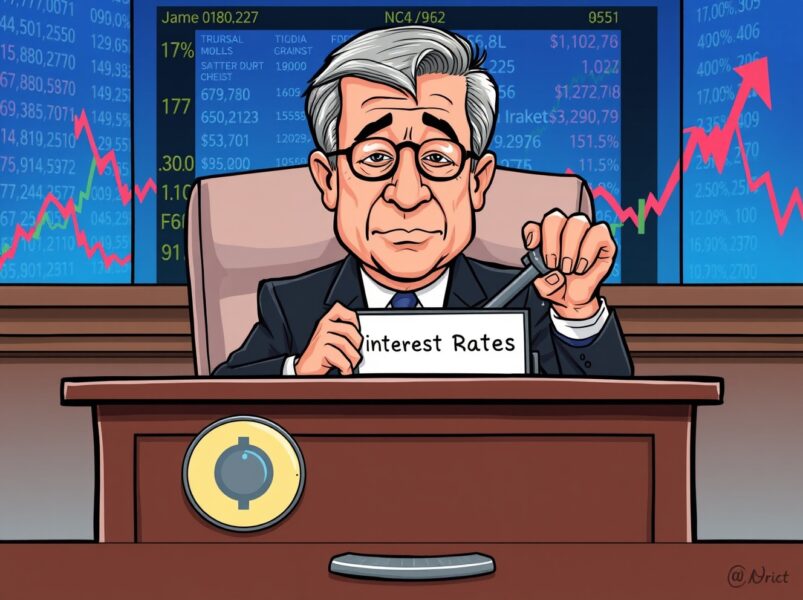
BitcoinWorld Crucial Fed Rate Cut: Powell’s Bold Risk Management Move Explained In a significant development for global financial markets, Federal Reserve Chair Jerome Powell recently described the latest Fed rate cut as a critical risk management measure. This statement immediately captured the attention of investors, economists, and especially those in the dynamic cryptocurrency space. Understanding Powell’s rationale and the potential implications of this move is essential for navigating today’s complex economic landscape. What Exactly is a Fed Rate Cut and Why Does it Matter? A Fed rate cut refers to the Federal Reserve lowering the target range for the federal funds rate. This is the interest rate at which commercial banks borrow and lend their excess reserves to each other overnight. When the Fed lowers this rate, it typically makes borrowing cheaper across the entire economy. This decision impacts everything from mortgage rates to business loans. The Fed uses interest rates as a primary tool to influence economic activity, aiming to achieve maximum employment and stable prices. A lower rate often stimulates spending and investment, but it can also signal concerns about economic slowdown. Key reasons for a rate cut often include: Slowing economic growth or recession fears. Low inflation or deflationary pressures. Global economic instability impacting domestic markets. A desire to provide more liquidity to the financial system. Powell’s emphasis on ‘risk management’ suggests a proactive approach. The Fed is not just reacting to current data but also anticipating potential future challenges. They are essentially trying to prevent a worse economic outcome by adjusting policy now. How Does a Fed Rate Cut Influence the Broader Economy? When the Federal Reserve implements a Fed rate cut, it sends ripples throughout the financial world. For traditional markets, lower interest rates generally mean: Boost for Stocks: Companies can borrow more cheaply, potentially increasing profits and stock valuations. Investors might also move money from lower-yielding bonds into equities. Cheaper Borrowing: Consumers and businesses enjoy lower rates on loans, from mortgages to credit cards, encouraging spending and investment. Weaker Dollar: Lower rates can make a country’s currency less attractive to foreign investors, potentially leading to a weaker dollar. Bond Market Shifts: Existing bonds with higher yields become more attractive, while newly issued bonds will have lower yields. This shift in monetary policy aims to inject confidence and liquidity into the system, countering potential economic headwinds. However, there’s always a delicate balance to strike, as too much stimulus can lead to inflationary pressures down the line. What Does This Fed Rate Cut Mean for Cryptocurrency Investors? The impact of a Fed rate cut on the cryptocurrency market is often a topic of intense discussion. While crypto assets operate independently of central banks, they are not immune to broader macroeconomic forces. Here’s how a rate cut can play out: Increased Risk Appetite: With traditional savings and bond yields potentially lower, investors might seek higher returns in riskier assets, including cryptocurrencies like Bitcoin and Ethereum. Inflation Hedge Narrative: Some view cryptocurrencies, particularly Bitcoin, as a hedge against inflation and traditional currency debasement. If a rate cut leads to concerns about inflation, this narrative could gain traction. Liquidity Influx: A more accommodative monetary policy can increase overall liquidity in the financial system, some of which may flow into digital assets. Dollar Weakness: A weaker dollar, a potential consequence of rate cuts, can sometimes make dollar-denominated assets like crypto more appealing to international investors. However, it’s crucial to remember that the crypto market also has its unique drivers, including technological developments, regulatory news, and market sentiment. While a Fed rate cut can provide a tailwind, it’s not the sole determinant of crypto performance. Navigating the New Landscape: Actionable Insights for Crypto Investors Given the Federal Reserve’s stance on risk management through a Fed rate cut, what steps can crypto investors consider? Stay Informed: Keep a close watch on further Fed announcements and economic data. Understanding the broader macroeconomic picture is vital. Diversify Your Portfolio: While a rate cut might favor risk assets, a balanced portfolio that includes a mix of traditional and digital assets can help mitigate volatility. Long-Term Perspective: Focus on the fundamental value and long-term potential of your chosen cryptocurrencies rather than short-term fluctuations driven by macro news. Assess Risk Tolerance: Re-evaluate your personal risk tolerance in light of potential market shifts. Lower rates can encourage speculation, but prudence remains key. Powell’s description of the Fed rate cut as a risk management measure highlights the central bank’s commitment to maintaining economic stability. For cryptocurrency enthusiasts, this move underscores the increasing interconnectedness of traditional finance and the digital asset world. While a rate cut can create opportunities, a thoughtful and informed approach is always the best strategy. Frequently Asked Questions (FAQs) What exactly is a Fed rate cut? A Fed rate cut is when the Federal Reserve lowers its target for the federal funds rate, which is the benchmark interest rate banks charge each other for overnight lending. This action makes borrowing cheaper across the economy, aiming to stimulate economic activity. Why did Powell emphasize “risk management” for this Fed rate cut? Jerome Powell emphasized “risk management” to indicate that the Fed was proactively addressing potential economic slowdowns or other future challenges. It suggests a preventative measure to safeguard against adverse economic conditions rather than merely reacting to existing problems. How does a Fed rate cut typically affect the crypto market? A Fed rate cut can make traditional investments less attractive due to lower yields, potentially driving investors towards higher-risk, higher-reward assets like cryptocurrencies. It can also increase overall market liquidity and strengthen the narrative of crypto as an inflation hedge. Should crypto investors change their strategy after a rate cut? While a rate cut can influence market dynamics, crypto investors should primarily focus on their long-term strategy, fundamental research, and risk tolerance. It’s wise to stay informed about macroeconomic trends but avoid making impulsive decisions based solely on a single policy change. What are the potential downsides of a Fed rate cut? Potential downsides include increased inflationary pressures if the economy overheats, a weaker national currency, and the possibility of creating asset bubbles as investors chase higher returns in riskier markets. It can also signal underlying concerns about economic health. Did you find this article insightful? Share your thoughts and help others understand the implications of the Fed’s latest move! Follow us on social media for more real-time updates and expert analysis. To learn more about the latest crypto market trends, explore our article on key developments shaping Bitcoin’s price action. This post Crucial Fed Rate Cut: Powell’s Bold Risk Management Move Explained first appeared on BitcoinWorld.
Share
Coinstats2025/09/18 16:40
Why Vitalik Buterin Just Pulled 16,384 ETH From His Holdings

Why Vitalik Buterin Just Pulled 16,384 ETH From His Holdings

The post Why Vitalik Buterin Just Pulled 16,384 ETH From His Holdings appeared first on Coinpedia Fintech News Ethereum co-founder Vitalik Buterin just withdrew
Share
CoinPedia2026/01/30 18:19
Record-breaking streak ends – Rabobank

Record-breaking streak ends – Rabobank

The post Record-breaking streak ends – Rabobank appeared on BitcoinEthereumNews.com. Rabobank’s report notes that Gold has seen a significant retracement, ending
Share
BitcoinEthereumNews2026/01/30 18:24