

Trump Putin Call: Revealing Discussions on Ukraine and Iran Stun Global Markets
BitcoinWorld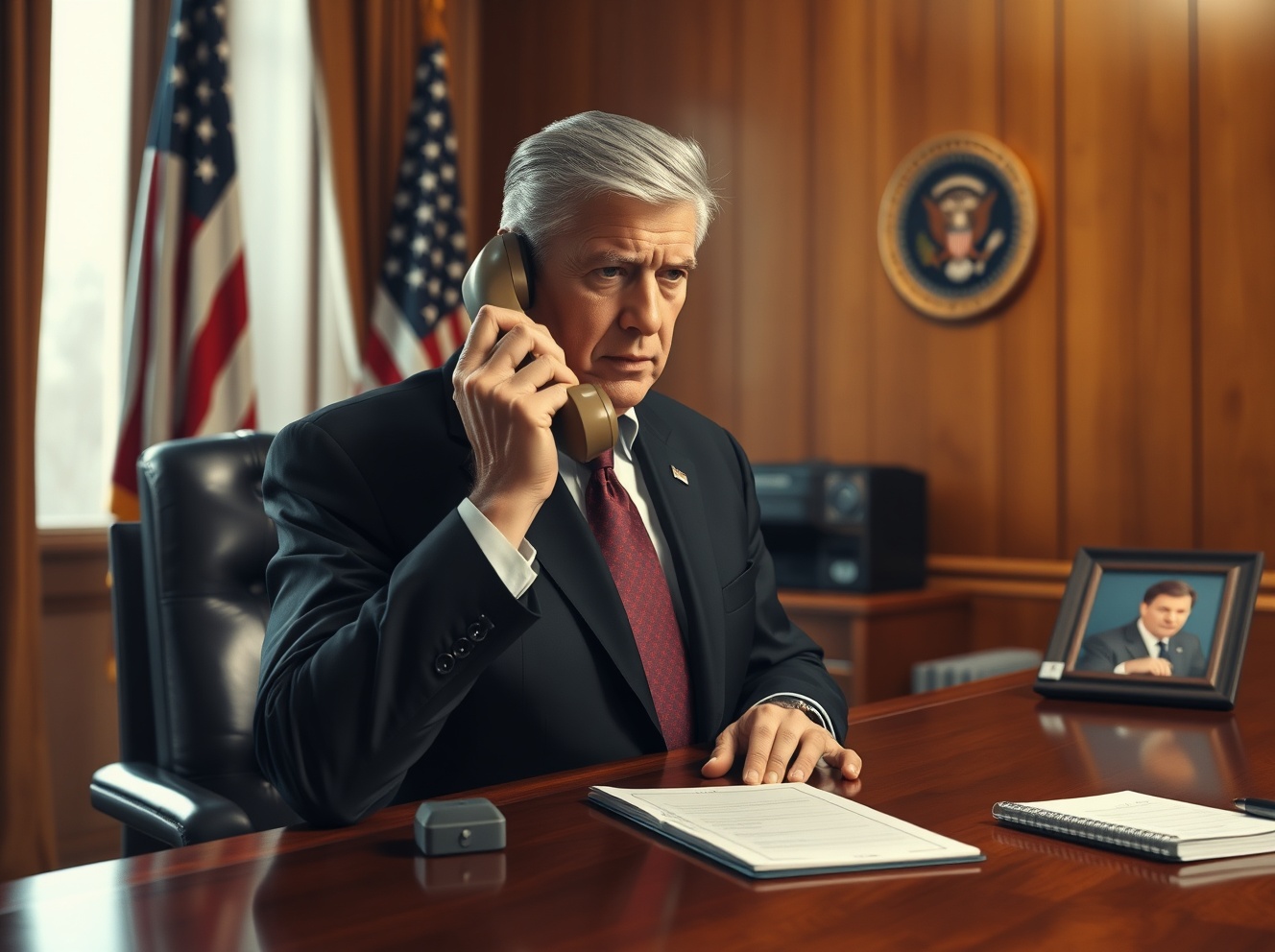
Trump Putin Call: Revealing Discussions on Ukraine and Iran Stun Global Markets
A recent phone call between US President Donald Trump and Russian President Vladimir Putin has reignited global diplomatic conversations. The two leaders reportedly discussed the ongoing conflicts in Ukraine and Iran. This development marks a significant moment in US-Russia relations. Many analysts view this as a potential shift in international policy. The call comes at a time of heightened geopolitical tension.
Trump Putin Call: A Surprising Diplomatic Move
The Trump Putin call represents a direct line of communication between two major world powers. Neither the White House nor the Kremlin has released a full transcript. However, official statements confirm that Ukraine and Iran topped the agenda. This discussion is particularly notable given the US sanctions on Russia. It also follows years of strained relations between the two nations. The conversation lasted approximately 50 minutes. Both sides described it as constructive and businesslike.
Key Topics in the Ukraine Iran Talks
During the Ukraine Iran talks, President Trump emphasized the need for de-escalation. He reportedly urged Putin to consider a ceasefire in Eastern Ukraine. On the Iran front, the leaders discussed the nuclear deal and regional stability. Russia plays a key role in both conflicts. Moscow supplies energy to Europe and has ties to Tehran. This makes the Kremlin a crucial intermediary. The discussion also touched on arms control and strategic stability.
Geopolitical Impact of the Trump Putin Discussion
The Trump Putin discussion has immediate implications for global security. European allies have reacted with caution. They worry about any agreement that might bypass NATO. Ukraine’s government expressed concern about being sidelined. Meanwhile, Iran’s leadership watched the developments closely. The call could reshape the balance of power in the Middle East and Eastern Europe. Markets responded with volatility. Energy prices fluctuated as traders assessed the potential for new sanctions or deals.
Expert Analysis on US Russia Diplomacy
Foreign policy experts have weighed in on the significance of this US Russia diplomacy. Dr. Anna Borshchevskaya, a senior fellow at the Washington Institute, noted that direct communication is essential. She stated that high-level talks reduce the risk of miscalculation. Other analysts point to the historical context. Previous US presidents have attempted to reset relations with Russia. Success has been mixed. The current conversation may signal a pragmatic approach. It prioritizes national interests over ideological differences.
Background: US-Russia Relations Under Trump
President Trump has long advocated for improved ties with Russia. His administration has imposed sanctions but also sought dialogue. This call is part of a broader pattern. Trump has previously met with Putin at summits. He has also expressed admiration for the Russian leader’s strong leadership style. Critics argue this approach risks legitimizing aggressive Russian behavior. Supporters claim it opens channels for conflict resolution. The Ukraine and Iran situations are complex. They involve multiple stakeholders and competing interests.
Timeline of Key Events
- 2014: Russia annexes Crimea, sparking Western sanctions.
- 2015: Iran nuclear deal (JCPOA) signed.
- 2020: US withdraws from JCPOA.
- 2022: Russia invades Ukraine, escalating conflict.
- 2024: Trump returns to office, seeks diplomatic engagement.
- 2025: Trump Putin call on Ukraine and Iran.
What the Charts Reveal About the Call
Data visualizations accompanying the announcement show key metrics. One chart tracks energy prices before and after the call. Another maps troop movements in Eastern Ukraine. A third illustrates Iran’s uranium enrichment levels. These charts provide context for the discussions. They show that military and economic pressures are driving the need for dialogue. The data suggests that both conflicts have reached a stalemate. This creates an opening for diplomatic solutions.
Strategic Interests at Stake
Both the US and Russia have strategic interests in Ukraine and Iran. For the US, containing Russian expansion is a priority. Supporting Ukraine’s sovereignty aligns with NATO goals. On Iran, preventing a nuclear arms race is critical. Russia, meanwhile, seeks to maintain influence in its near abroad. It also wants to preserve its role as a power broker in the Middle East. The call likely explored trade-offs. For example, Russia could pressure Iran on its nuclear program. In return, the US might ease some sanctions.
International Reactions to the Trump Putin Discussion
Reactions to the Trump Putin discussion have been mixed. Ukraine’s President Volodymyr Zelenskyy called for transparency. He urged that any agreements include Kyiv at the table. European Union leaders emphasized unity. They warned against any deal that undermines European security. Iran’s Supreme Leader Ali Khamenei expressed skepticism. He accused the US of using Russia as a mediator. China, another key player, remained publicly neutral. However, Beijing likely monitors the talks closely. It has its own strategic interests in both regions.
Market and Economic Implications
Financial markets reacted swiftly to the news. Oil prices dropped by 3% on expectations of eased tensions. Natural gas futures also declined. This suggests investors believe the call could lead to a de-escalation. However, defense stocks rose slightly. This reflects uncertainty about the outcome. Currency markets saw the Russian ruble strengthen. The Ukrainian hryvnia remained stable. Analysts caution that market reactions are preliminary. The real impact will depend on concrete actions following the call.
Potential Outcomes of the Ukraine Iran Talks
The Ukraine Iran talks could produce several outcomes. A ceasefire in Ukraine remains the most immediate goal. This would reduce civilian casualties and allow humanitarian aid. On Iran, the talks might revive negotiations on the nuclear deal. A broader agreement could include regional security guarantees. However, obstacles remain. Trust between the US and Russia is low. Domestic political pressures in both countries complicate matters. Trump faces opposition from hawkish Republicans. Putin must manage nationalist factions at home.
Role of International Organizations
International organizations like the United Nations and the OSCE may play a role. They can provide monitoring and verification. This adds credibility to any agreement. The UN has previously facilitated talks on Ukraine. The IAEA oversees Iran’s nuclear activities. Both bodies could be called upon to implement new arrangements. Their involvement would signal broad international support. This reduces the risk of one side backing out.
Conclusion
The Trump Putin call on Ukraine and Iran represents a pivotal moment in global diplomacy. It demonstrates that direct communication between superpowers remains vital. The discussions could lead to de-escalation in two major conflict zones. However, the path forward is fraught with challenges. Both leaders must navigate domestic and international pressures. The outcome will shape US-Russia relations for years to come. Markets and governments worldwide will watch closely. The focus now shifts to follow-up meetings and concrete actions. This Trump Putin discussion is a starting point, not an end.
FAQs
Q1: What did Trump and Putin discuss during their call?
The two leaders discussed the conflicts in Ukraine and Iran. They focused on de-escalation, potential ceasefires, and nuclear issues.
Q2: Why is the Trump Putin call significant?
It represents direct high-level communication between the US and Russia. This reduces the risk of miscalculation and opens doors for diplomatic solutions.
Q3: How did markets react to the news?
Energy prices dropped, and the Russian ruble strengthened. Defense stocks saw a slight rise. Markets are cautiously optimistic.
Q4: What role does Russia play in the Ukraine and Iran conflicts?
Russia is a key actor in both. It supports separatists in Ukraine and has ties to Iran. This makes Moscow a crucial intermediary.
Q5: Could this call lead to a change in US sanctions on Russia?
It is possible. The call may explore trade-offs. However, any sanctions relief would require congressional approval and concrete Russian actions.
Q6: How have Ukraine and Iran reacted to the call?
Ukraine urged transparency and inclusion in any talks. Iran expressed skepticism, accusing the US of using Russia as a mediator.
This post Trump Putin Call: Revealing Discussions on Ukraine and Iran Stun Global Markets first appeared on BitcoinWorld.


You May Also Like

Visa adds Polygon to its global stablecoin settlement program

LINK Outflow Hits 2026 High at 970,000 Tokens




