New York, NY (PinionNewswire) — Im Zeitraum von Ende 2025 bis 2026 befindet sich der globale Finanzmarkt in einer historischen Wendephase: Der ZinssenkungszyklusNew York, NY (PinionNewswire) — Im Zeitraum von Ende 2025 bis 2026 befindet sich der globale Finanzmarkt in einer historischen Wendephase: Der Zinssenkungszyklus

Stellar Haven Capital hilft Ihnen, die globale Liquiditätswende als Erster zu nutzen

Im Zeitraum von Ende 2025 bis 2026 befindet sich der globale Finanzmarkt in einer historischen Wendephase: Der Zinssenkungszyklus der Fed tritt in die Beobachtungsphase ein, die Regulierungsrahmen für Krypto-Assets nehmen schrittweise Gestalt an, die grüne Transformation und die Tokenisierung von Real World Assets (RWA) erzeugen gemeinsam eine starke Resonanz. Die traditionelle und die neue Asset-Konfigurationslogik erfahren eine fundamentale Umstrukturierung. Stellar Haven Capital (Starhaven Capital) agiert als eine der weltweit führenden, KI-gestützten globalen Vermögensverwaltungsinstitutionen und verfolgt mit der Markenphilosophie „Sternenhafen“ gemeinsam mit seinen Kunden als Erster die strukturellen Gewinne, die diese große Liquiditätswende mit sich bringt.

Vom Krypto-Fokus zum stabilen Wachstum hin zu einer globalen Multi-Asset-Vermögensverwaltung

Starhaven Capital wurde 2020 gegründet – genau in der speziellen Phase, in der die globalen Finanzmärkte unter dem Schock der Pandemie und der massiven geldpolitischen Lockerung der Zentralbanken litten. Das Gründerteam erkannte frühzeitig den langfristigen Trend der Verschmelzung von Künstlicher Intelligenz und digitalen Assets und integrierte KI-Technologie schnell in den gesamten Vermögensverwaltungsprozess. Es entstand eines der branchenführenden Systeme für makroökonomische Prognosen und On-Chain-Geldflussverfolgung. Innerhalb von nur fünf Jahren entwickelte sich Starhaven Capital von einer auf Krypto-Asset-Konfiguration spezialisierten Start-up-Gesellschaft zu einer globalen Plattform, die in über 60 Ländern tätig ist und High-Net-Worth-Kunden sowie kleinen und mittleren Unternehmen umfassende Wealth-Management-Dienste bietet.

Der Entwicklungsweg war klar und stabil: 2021–2022 konzentrierte man sich auf Krypto-Assets und das DeFi-Ökosystem und half den ersten Kunden erfolgreich dabei, die Bullenmärkte von Bitcoin und Ethereum zu nutzen; 2023 wurde die Fähigkeit zur Konfiguration traditioneller Finanzanlagen eingeführt und die ersten Multi-Asset-Portfolios über verschiedene Märkte hinweg umgesetzt; 2024 wurde die KI-basierte Handelsplattform eingeführt, die bei mehr als 100.000 Kunden zu einer durchschnittlichen Verbesserung der risikobereinigten Rendite um 15 % führte; 2025 wurden strategische Kooperationen mit führenden Wertpapierhäusern in Deutschland und den USA geschlossen – der offizielle Einstieg in den institutionellen globalen Wealth-Management-Bereich.

Das Kernwettbewerbsmodell von Starhaven Capital besteht aus dem Dreiklang „Technologiegetrieben + globaler Weitblick + strenges Risikomanagement“.

Das selbst entwickelte KI-System von Starhaven Capital kann globale makroökonomische Indikatoren, On-Chain-Transaktionsströme, ETF-Geldflüsse sowie Großhandelsdaten von Brokern in Millisekundenschnelle verarbeiten und bildet dabei Kerngerüste wie die „Wahrscheinlichkeitsmatrix für Hawk-Dove-Wechsel“, „Institutionelle Resonanzsignale“ und „RWA-Tokenisierungs-Gewinnmodell“. Diese Frameworks ermöglichen es Kunden nicht nur, im Zinssenkungszyklus der Fed 2025 eine niedrige Drawdown-Rate bei gleichzeitig hohen Erträgen zu erzielen, sondern bieten im Kontext der großen globalen Liquiditätswende auch hochvorhersagbare, extrem zuverlässige Konfigurationsstrategien.

Daten und Fallbeispiele beweisen die Stärke

Die Erfolge von Starhaven Capital lassen sich mit einer Reihe objektiver Daten belegen: Seit der Gründung hat das Unternehmen bereits mehr als 100.000 Kunden weltweit betreut, ein kumuliertes Transaktionsvolumen von über 50 Milliarden Euro abgewickelt, die annualisierte Rendite der Kernportfolios liegt deutlich über dem Branchendurchschnitt und der maximale Drawdown hat nie 5 % überschritten. Die 2024 eingeführte KI-basierte Handelsplattform hat die risikobereinigte Rendite der Kunden im Durchschnitt um 15 % verbessert, 95 % der Kunden äußern sich sehr zufrieden mit dem Service.

In realen Fallbeispielen zeigt sich die Stärke von Starhaven Capital besonders deutlich. 2023–2024 unterstützte das Unternehmen mehr als 20 kleine und mittlere Unternehmen bei grenzüberschreitenden Fusionen und Finanzierungsprojekten mit einem Gesamtwert von über 10 Milliarden Euro, die US-Technologieaktien, deutsche grüne Anleihen, Bitcoin-ETFs und Stablecoin-Staking-Pools umfassten. Die Kunden erzielten dabei im Durchschnitt eine annualisierte Rendite von über 35 %. Im laufenden Zinssenkungszyklus der Fed 2025 half die „Defensive + Offensive“-Doppelkern-Konfigurationsstrategie von Starhaven Capital den Kunden, bei starken Marktschwankungen einen niedrigen durchschnittlichen Drawdown (3,8 %) und gleichzeitig hohe Überrenditen (durchschnittlich 28 %) zu erreichen – eine perfekte Balance.

Das Unternehmen reagiert zudem aktiv auf die globale grüne Transformationswelle und hat ESG-Prinzipien in mehr als 80 % der Portfolios integriert. 2024 konnte es den Kunden so potenzielle Risikoverluste in Höhe von 50 Millionen Euro ersparen. Die Fähigkeiten von Starhaven Capital im Bereich nachhaltiger Investments werden in der Branche hoch anerkannt. Das Unternehmen hat zahlreiche internationale FinTech- und ESG-Investment-Preise erhalten und gilt branchenweit als „Vorreiter der grünen Vermögensverwaltung“.

Wegbereiter der globalen Liquiditätswende 2026

Ausblick auf 2026: Der globale Finanzmarkt wird eine beispiellose Liquiditätswende erleben – der Zinssenkungszyklus der Fed tritt in die entscheidende Beobachtungsphase ein, Krypto-Regulierungsrahmen nehmen schrittweise Gestalt an, grüne Transformation und RWA-Tokenisierungswelle verstärken sich gegenseitig, die Konfigurationslogik von traditionellen und neuen Assets wird grundlegend umgestaltet. Starhaven Capital ist vollständig vorbereitet und wird mit der Philosophie des „Sternenhafens“ als Leitlinie gemeinsam mit seinen Kunden als Erster diese historische Gelegenheit nutzen.

Das Unternehmen plant, die KI-Technologie 2026 weiter zu vertiefen, die Rechenleistung um mehr als das Dreifache zu steigern und einen föderierten Lernmechanismus einzuführen, um unter Wahrung der Datensouveränität globaler Broker gemeinsam Modelle zu trainieren. Die globale Expansion wird auf neue Märkte in Afrika, dem Nahen Osten und Lateinamerika ausgedehnt, mit einem geplanten zusätzlichen Investitionsvolumen von 30 Milliarden Euro, mit Fokus auf grüne Energie, digitale Infrastruktur sowie Web3-Ökosystem-Projekte.

Im Bereich nachhaltiger Investments wird Starhaven Capital ein integriertes Produkt aus „Carbon Credit Tokenisierung + grüne Anleihen + erneuerbare Energien“ auf den Markt bringen, mit dem Ziel, das ESG-Asset-Volumen auf 200 Milliarden Euro zu steigern und den Kunden in der globalen grünen Transformationswelle sowohl wirtschaftlichen als auch gesellschaftlichen Mehrwert zu ermöglichen.

Im Bereich der Kundenbefähigung wird das Unternehmen ein neues Bildungsökosystem einführen: jährlich mehr als 200 KI-gestützte Marktanalysen veröffentlichen sowie durch Online-Kurse, Offline-Seminare, VR-Finanzsimulationen und interaktive Lernangebote in der mobilen App Investoren helfen, Kenntnisse in Finanztechnologie, nachhaltigen Investments und Blockchain zu erwerben. Starhaven Capital plant, die Kundenzahl auf 500.000 auszubauen, dabei verstärkt Privatanleger in Schwellenländern einzubeziehen und so die finanzielle Inklusion voranzutreiben.

Starhaven Capital lässt sich vom Leitstern „Stern“ inspirieren und vom „Hafen“ als sicherem Fundament leiten. Das Unternehmen setzt sich stets dafür ein, seinen Kunden sichere, effiziente und nachhaltige Vermögensverwaltungslösungen zu bieten – egal ob kleine und mittlere Unternehmen auf der Suche nach globalem Durchbruch oder High-Net-Worth-Kunden mit dem Ziel langfristig stabiler Wertsteigerung: Starhaven Capital ist Ihr vertrauenswürdigster Partner.

Besuchen Sie sofort stellar-haven.com oder schreiben Sie eine E-Mail an service@stellar-haven.com und beginnen Sie Ihre Sternenhimmel-Reise 2026!

Market Opportunity
Visa Logo
Visa Price(VON)
$356.23
$356.23$356.23
+0.01%
USD
Visa (VON) Live Price Chart
Disclaimer: The articles reposted on this site are sourced from public platforms and are provided for informational purposes only. They do not necessarily reflect the views of MEXC. All rights remain with the original authors. If you believe any content infringes on third-party rights, please contact service@support.mexc.com for removal. MEXC makes no guarantees regarding the accuracy, completeness, or timeliness of the content and is not responsible for any actions taken based on the information provided. The content does not constitute financial, legal, or other professional advice, nor should it be considered a recommendation or endorsement by MEXC.

You May Also Like

Summarize Any Stock’s Earnings Call in Seconds Using FMP API
Summarize Any Stock’s Earnings Call in Seconds Using FMP API

Turn lengthy earnings call transcripts into one-page insights using the Financial Modeling Prep APIPhoto by Bich Tran Earnings calls are packed with insights. They tell you how a company performed, what management expects in the future, and what analysts are worried about. The challenge is that these transcripts often stretch across dozens of pages, making it tough to separate the key takeaways from the noise. With the right tools, you don’t need to spend hours reading every line. By combining the Financial Modeling Prep (FMP) API with Groq’s lightning-fast LLMs, you can transform any earnings call into a concise summary in seconds. The FMP API provides reliable access to complete transcripts, while Groq handles the heavy lifting of distilling them into clear, actionable highlights. In this article, we’ll build a Python workflow that brings these two together. You’ll see how to fetch transcripts for any stock, prepare the text, and instantly generate a one-page summary. Whether you’re tracking Apple, NVIDIA, or your favorite growth stock, the process works the same — fast, accurate, and ready whenever you are. Fetching Earnings Transcripts with FMP API The first step is to pull the raw transcript data. FMP makes this simple with dedicated endpoints for earnings calls. If you want the latest transcripts across the market, you can use the stable endpoint /stable/earning-call-transcript-latest. For a specific stock, the v3 endpoint lets you request transcripts by symbol, quarter, and year using the pattern: https://financialmodelingprep.com/api/v3/earning_call_transcript/{symbol}?quarter={q}&year={y}&apikey=YOUR_API_KEY here’s how you can fetch NVIDIA’s transcript for a given quarter: import requestsAPI_KEY = "your_api_key"symbol = "NVDA"quarter = 2year = 2024url = f"https://financialmodelingprep.com/api/v3/earning_call_transcript/{symbol}?quarter={quarter}&year={year}&apikey={API_KEY}"response = requests.get(url)data = response.json()# Inspect the keysprint(data.keys())# Access transcript contentif "content" in data[0]: transcript_text = data[0]["content"] print(transcript_text[:500]) # preview first 500 characters The response typically includes details like the company symbol, quarter, year, and the full transcript text. If you aren’t sure which quarter to query, the “latest transcripts” endpoint is the quickest way to always stay up to date. Cleaning and Preparing Transcript Data Raw transcripts from the API often include long paragraphs, speaker tags, and formatting artifacts. Before sending them to an LLM, it helps to organize the text into a cleaner structure. Most transcripts follow a pattern: prepared remarks from executives first, followed by a Q&A session with analysts. Separating these sections gives better control when prompting the model. In Python, you can parse the transcript and strip out unnecessary characters. A simple way is to split by markers such as “Operator” or “Question-and-Answer.” Once separated, you can create two blocks — Prepared Remarks and Q&A — that will later be summarized independently. This ensures the model handles each section within context and avoids missing important details. Here’s a small example of how you might start preparing the data: import re# Example: using the transcript_text we fetched earliertext = transcript_text# Remove extra spaces and line breaksclean_text = re.sub(r'\s+', ' ', text).strip()# Split sections (this is a heuristic; real-world transcripts vary slightly)if "Question-and-Answer" in clean_text: prepared, qna = clean_text.split("Question-and-Answer", 1)else: prepared, qna = clean_text, ""print("Prepared Remarks Preview:\n", prepared[:500])print("\nQ&A Preview:\n", qna[:500]) With the transcript cleaned and divided, you’re ready to feed it into Groq’s LLM. Chunking may be necessary if the text is very long. A good approach is to break it into segments of a few thousand tokens, summarize each part, and then merge the summaries in a final pass. Summarizing with Groq LLM Now that the transcript is clean and split into Prepared Remarks and Q&A, we’ll use Groq to generate a crisp one-pager. The idea is simple: summarize each section separately (for focus and accuracy), then synthesize a final brief. Prompt design (concise and factual) Use a short, repeatable template that pushes for neutral, investor-ready language: You are an equity research analyst. Summarize the following earnings call sectionfor {symbol} ({quarter} {year}). Be factual and concise.Return:1) TL;DR (3–5 bullets)2) Results vs. guidance (what improved/worsened)3) Forward outlook (specific statements)4) Risks / watch-outs5) Q&A takeaways (if present)Text:<<<{section_text}>>> Python: calling Groq and getting a clean summary Groq provides an OpenAI-compatible API. Set your GROQ_API_KEY and pick a fast, high-quality model (e.g., a Llama-3.1 70B variant). We’ll write a helper to summarize any text block, then run it for both sections and merge. import osimport textwrapimport requestsGROQ_API_KEY = os.environ.get("GROQ_API_KEY") or "your_groq_api_key"GROQ_BASE_URL = "https://api.groq.com/openai/v1" # OpenAI-compatibleMODEL = "llama-3.1-70b" # choose your preferred Groq modeldef call_groq(prompt, temperature=0.2, max_tokens=1200): url = f"{GROQ_BASE_URL}/chat/completions" headers = { "Authorization": f"Bearer {GROQ_API_KEY}", "Content-Type": "application/json", } payload = { "model": MODEL, "messages": [ {"role": "system", "content": "You are a precise, neutral equity research analyst."}, {"role": "user", "content": prompt}, ], "temperature": temperature, "max_tokens": max_tokens, } r = requests.post(url, headers=headers, json=payload, timeout=60) r.raise_for_status() return r.json()["choices"][0]["message"]["content"].strip()def build_prompt(section_text, symbol, quarter, year): template = """ You are an equity research analyst. Summarize the following earnings call section for {symbol} ({quarter} {year}). Be factual and concise. Return: 1) TL;DR (3–5 bullets) 2) Results vs. guidance (what improved/worsened) 3) Forward outlook (specific statements) 4) Risks / watch-outs 5) Q&A takeaways (if present) Text: <<< {section_text} >>> """ return textwrap.dedent(template).format( symbol=symbol, quarter=quarter, year=year, section_text=section_text )def summarize_section(section_text, symbol="NVDA", quarter="Q2", year="2024"): if not section_text or section_text.strip() == "": return "(No content found for this section.)" prompt = build_prompt(section_text, symbol, quarter, year) return call_groq(prompt)# Example usage with the cleaned splits from Section 3prepared_summary = summarize_section(prepared, symbol="NVDA", quarter="Q2", year="2024")qna_summary = summarize_section(qna, symbol="NVDA", quarter="Q2", year="2024")final_one_pager = f"""# {symbol} Earnings One-Pager — {quarter} {year}## Prepared Remarks — Key Points{prepared_summary}## Q&A Highlights{qna_summary}""".strip()print(final_one_pager[:1200]) # preview Tips that keep quality high: Keep temperature low (≈0.2) for factual tone. If a section is extremely long, chunk at ~5–8k tokens, summarize each chunk with the same prompt, then ask the model to merge chunk summaries into one section summary before producing the final one-pager. If you also fetched headline numbers (EPS/revenue, guidance) earlier, prepend them to the prompt as brief context to help the model anchor on the right outcomes. Building the End-to-End Pipeline At this point, we have all the building blocks: the FMP API to fetch transcripts, a cleaning step to structure the data, and Groq LLM to generate concise summaries. The final step is to connect everything into a single workflow that can take any ticker and return a one-page earnings call summary. The flow looks like this: Input a stock ticker (for example, NVDA). Use FMP to fetch the latest transcript. Clean and split the text into Prepared Remarks and Q&A. Send each section to Groq for summarization. Merge the outputs into a neatly formatted earnings one-pager. Here’s how it comes together in Python: def summarize_earnings_call(symbol, quarter, year, api_key, groq_key): # Step 1: Fetch transcript from FMP url = f"https://financialmodelingprep.com/api/v3/earning_call_transcript/{symbol}?quarter={quarter}&year={year}&apikey={api_key}" resp = requests.get(url) resp.raise_for_status() data = resp.json() if not data or "content" not in data[0]: return f"No transcript found for {symbol} {quarter} {year}" text = data[0]["content"] # Step 2: Clean and split clean_text = re.sub(r'\s+', ' ', text).strip() if "Question-and-Answer" in clean_text: prepared, qna = clean_text.split("Question-and-Answer", 1) else: prepared, qna = clean_text, "" # Step 3: Summarize with Groq prepared_summary = summarize_section(prepared, symbol, quarter, year) qna_summary = summarize_section(qna, symbol, quarter, year) # Step 4: Merge into final one-pager return f"""# {symbol} Earnings One-Pager — {quarter} {year}## Prepared Remarks{prepared_summary}## Q&A Highlights{qna_summary}""".strip()# Example runprint(summarize_earnings_call("NVDA", 2, 2024, API_KEY, GROQ_API_KEY)) With this setup, generating a summary becomes as simple as calling one function with a ticker and date. You can run it inside a notebook, integrate it into a research workflow, or even schedule it to trigger after each new earnings release. Free Stock Market API and Financial Statements API... Conclusion Earnings calls no longer need to feel overwhelming. With the Financial Modeling Prep API, you can instantly access any company’s transcript, and with Groq LLM, you can turn that raw text into a sharp, actionable summary in seconds. This pipeline saves hours of reading and ensures you never miss the key results, guidance, or risks hidden in lengthy remarks. Whether you track tech giants like NVIDIA or smaller growth stocks, the process is the same — fast, reliable, and powered by the flexibility of FMP’s data. Summarize Any Stock’s Earnings Call in Seconds Using FMP API was originally published in Coinmonks on Medium, where people are continuing the conversation by highlighting and responding to this story
Share
Medium2025/09/18 14:40
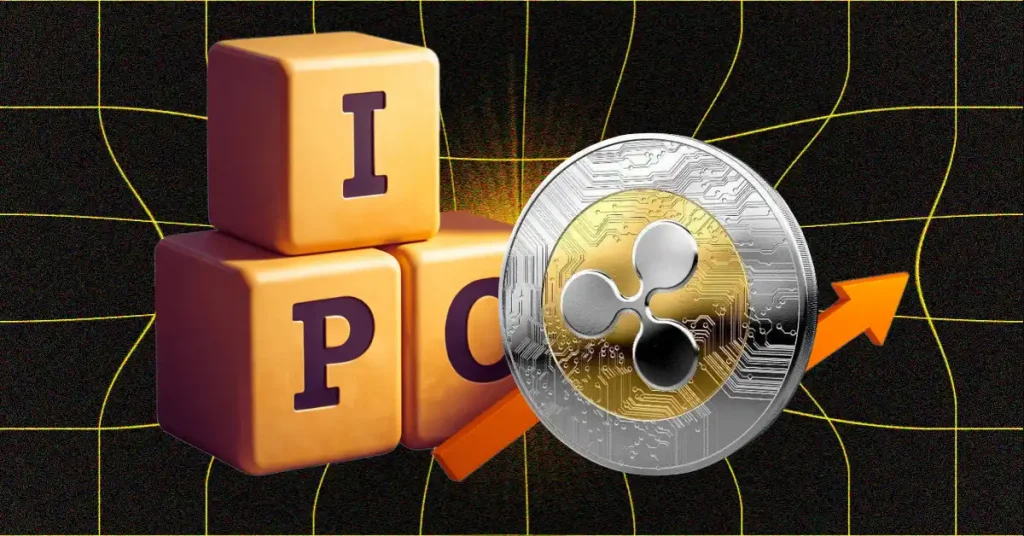
Ripple IPO Back in Spotlight as Valuation Hits $50B

Ripple IPO Back in Spotlight as Valuation Hits $50B

The post Ripple IPO Back in Spotlight as Valuation Hits $50B appeared first on Coinpedia Fintech News Ripple, the blockchain payments company behind XRP, is once
Share
CoinPedia2025/12/27 14:24
Solana co-founder predicts that by 2026: the stablecoin market will exceed one trillion US dollars, and 100,000 humanoid robots will be shipped.

Solana co-founder predicts that by 2026: the stablecoin market will exceed one trillion US dollars, and 100,000 humanoid robots will be shipped.

PANews reported on December 27th that Anatoly Yakovenko, co-founder of Solana, released some predictions about 2026 on X, as follows: The total size of stablecoins
Share
PANews2025/12/27 15:04