

OpenAI courts investors with a $39 billion loss and a $34 billion spending tab
OpenAI is asking investors to look past a brutal cost base as it prepares for a stock market debut. The ChatGPT owner spent $34 billion in 2025, brought in about $13 billion, and ended the year with a reported $39 billion loss.
Its bills came from developing new systems, buying computing power, running data centers, hiring researchers, and sales.

The San Francisco company sent confidential IPO documents to the US Securities and Exchange Commission earlier this month. A listing could happen this fall, although chief executive Sam Altman has said the filing simply keeps that option open. Sam told staff that staying private may still make more sense.
OpenAI spends heavily while ChatGPT brings in more money each month
Audited records of OpenAI allegedly show that R&D costs ate up about $19 billion dollars alone. Almost $6 billion went into sales and marketing costs. The remaining money was spent on operating costs involving the training of models, building out infrastructure, running data centers, and attracting skilled researchers.
According to data from independent journalist Ed Zitron via the Financial Times, OpenAI’s revenue rose fast, but costs stayed higher. By December 2025, OpenAI was collecting around $2 billion every month, whereas a year earlier at the end of 2024, the company was making about $1 billion per quarter, placing it among history’s fastest-growing companies.
The headline loss was almost eight times the $5 billion reported for 2024. Most of the increase, however, came from an accounting entry connected to OpenAI’s old legal setup, not cash leaving the company.
Prior to transforming itself into a public benefit corporation at the end of 2025, OpenAI provided the investors with convertible interest rather than stocks. According to US accounting principles, convertible interests were regarded as debt liabilities. Every rise in the company’s valuation made it necessary to revalue the liability on its balance sheet upward.
Such a move entailed an expense amounting to about $30 billion. The expenditure was non-cash-based and was not expected to recur in the revised structure. Taking out this expense, along with the employees’ bonus and Microsoft’s cloud computing credits (NASDAQ: MSFT), the deficit stood at approximately $8 billion.
The investment has been employed to cover up this deficit. OpenAI has gained $122 billion in March, when its valuation reached $730 billion without considering the recent influx of capital. Its IPO would give it an estimated valuation exceeding $1 trillion.
OpenAI scraps side projects as it faces rival Anthropic in competition for public listings
Sam instructed his staff last year to increase their dedication to developing the ChatGPT application, as well as the emerging business applications for the use of AI. Following this directive, management canceled several costly projects, including those on the Sora video synthesizer. Management stated that the company had to cut its side quests and not miss out on “this opportunity.”
This emphasis is driven by the success of the ChatGPT app, which was launched late last year and is completely free. The app offers access to the models developed by the company and has been downloaded hundreds of millions of times.
The company is also carrying legal and safety disputes into any IPO process. Last month, OpenAI came through a legal fight with Elon Musk, who challenged its attempt to leave its nonprofit structure behind. Elon argued that the conversion broke the company’s original mission.
Separate lawsuits have accused ChatGPT of contributing to harm involving younger users. OpenAI has rejected those claims. In one recent case, it said the company was not responsible for the alleged outcome.
Anthropic filed for a public offering on June 1 after raising $65 billion. One funding round valued it at $900 billion, while its latest financing placed the startup near $952 billion. Anthropic’s private price is now higher than OpenAI’s stated valuation.
Neither OpenAI nor Anthropic has a public ticker. If both complete listings in 2026, they would become the second and third giant technology IPOs after SpaceX’s offering. SpaceX is private and has no exchange symbol. Microsoft remains the only publicly traded company named in OpenAI’s disclosed cost structure.
If you're reading this, you’re already ahead. Stay there with our newsletter.


You May Also Like

Daily Sector Snapshot — 6/16/26
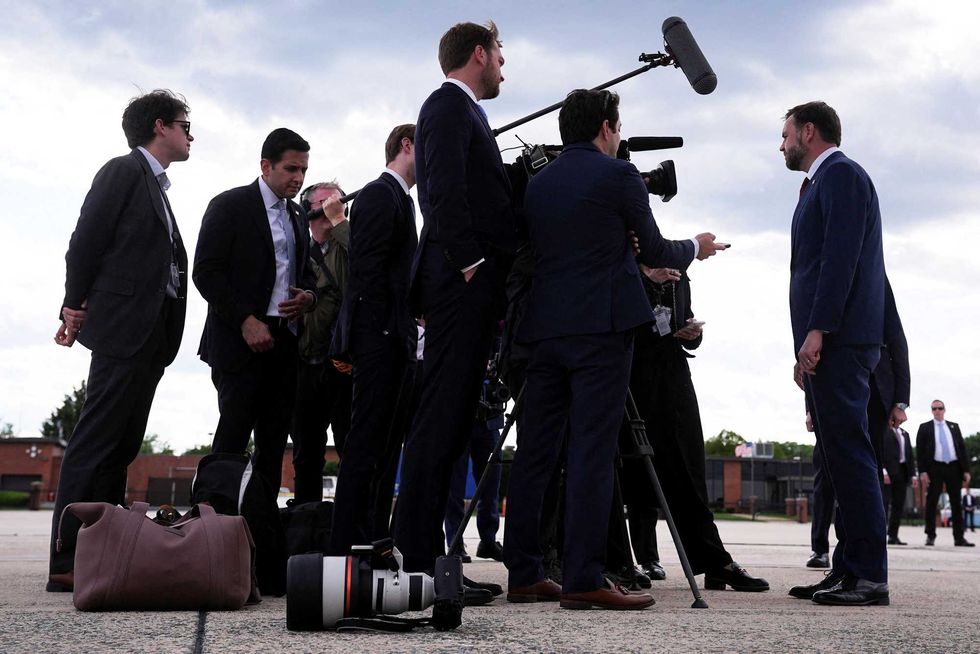
GOP senators ready to pounce on Trump's Iran deal fall guy: analyst
DB Consulting’s Strategic Alliance with Encino Labs Elevates Local Business Search Presence



