

Data from Africa’s top 5 economies shows 4G still drives Africa’s internet adoption
At a time when the African telecoms industry is experiencing growing adoption of smartphones and internet usage, data shows that the coexistence of 4G and 5G networks is essential. The truth is that although 5G adoption has increased recently, a large part of the population is connected via 4G.
In fact, only 12% of the continent’s 416 million internet users are connected to 5G networks, further highlighting an infrastructure and coverage gap. A leading cause of this gap is cost and spread: it is one thing to buy a 5G-enabled smartphone; it is another to access guaranteed 5G connectivity.
In this article, we explore the 4G/5G market share across five African countries: Nigeria, South Africa, Kenya, Ghana and Egypt, revealing the strengths and gaps in the continent’s mobile connectivity.
The data has been derived from the countries’ communications regulator, notable industry reports and verified social media mentions were used.
 A telecom tower
1. Kenya
Kenya’s 62 million internet users signal a population increasingly leveraging the internet, mostly for connectivity and digital transactions.
To put in an impact form, the data by the Communications Authority of Kenya revealed that as of December 2025, about 79.1% of Kenya’s 78.39 million telecom subscribers are connected to the internet. This means that about 8 in every Kenyan phone user is connected to the internet.
Aside from smartphone adoption, Kenya’s 4G and 5G networks are part of the driver, jointly accounting for 45.9 million internet subscribers, a 65.5% market share.
While 44.2 million (63.1%) are connected via 4G, only 1.7 million (2.4%) are on the 5G network, showing a significant gap. However, 4G/5G networks fueled 93.4% of the 755,095.1 terabytes (TB) of data consumption in the fourth quarter of 2025.
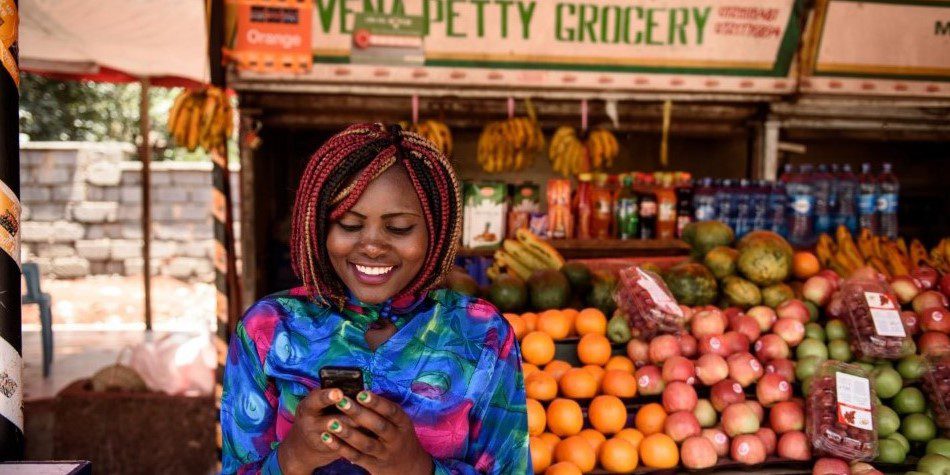 A Kenyan internet subscriber
Telcos such as Safaricom Kenya, Airtel Kenya, Telkom, Finserve and Jamil are dictating the direction of the country’s internet landscape.
Also Read: Kenya hit 62 million internet subscribers, powered by 4G/5G network and smartphone surge.
2. Ghana
Unlike Kenya, Ghana’s network is at a major transition stage as internet users are primarily shared between 3G and 4G networks. As part of the build-up, Ghana launched its 5G in March, operated by Next Gen Infraco.
Although 4G has been available in the country for almost a decade, penetration is low, with 3G dominance at 71%. In light of the 5G network launch, the government is aiming for a 70% 5G population density coverage by 2027, a time when Ghana celebrates its 70th Independence Anniversary.
As of 2025, about 26.3 million Ghanaians are connected to the internet, with an internet penetration rate of 74.6%. Also, active telecom subscribers stood at 41.8 million, showing that about 6 out of every 10 subscribers are connected to the internet.
The Ghanaian telecoms market is largely dominated by MTN (78.88% market share), with other players such as Telecel Ghana and AT Ghana.
 Ghanaian Mobile Network Operators
3. Nigeria
Holding a combined 59% market share, 4G and 5G are fueling Nigeria’s internet market and taking the driving seat from 2G/3G.
Since mid-2024, there has been an inverse relationship between 2G and 4G. In May 2024, industry data from the Nigerian Communications Commission (NCC) showed that 3G led with 44.86%, while 4G was at 42.63%.
Fast-forward to February 2026, 4G now holds the largest share at 53.59%, with 2G dropping to 36.87%
However, 5G is still crawling at 5.06%. But initiatives such as the direct-to-cell services have been tipped by the NCC’s spectrum roadmap to boost the 5G coverage from the current 13% to 50% by 2030.
 A smiling elderly Nigerian woman using her phone…
Project Bridge, Nigeria’s 90,000km fibre backbone that’s set to strengthen broadband connectivity, will be pivotal to the ambition of inclusive digital access.
4. South Africa
5G coverage in South Africa stands in a leading position, with coverage rising to 58% in 2025, up from 46.6% in 2024. Notably, South Africa is recognised for the best overall 5G availability and speed in Africa, according to a Global Network Excellence Index 2025 report.
The country’s 5G coverage is well situated; the State of the ICT Sector report by the Independent Communications Authority of South Africa (ICASA) noted that the country’s nine provinces recorded an average rural 5G coverage rate of 30.7% in 2025.
The same report shows that 83.04 million of the 117.3 million telecom subscribers recorded in 2025 were smartphones, a penetration rate of 70.8%.
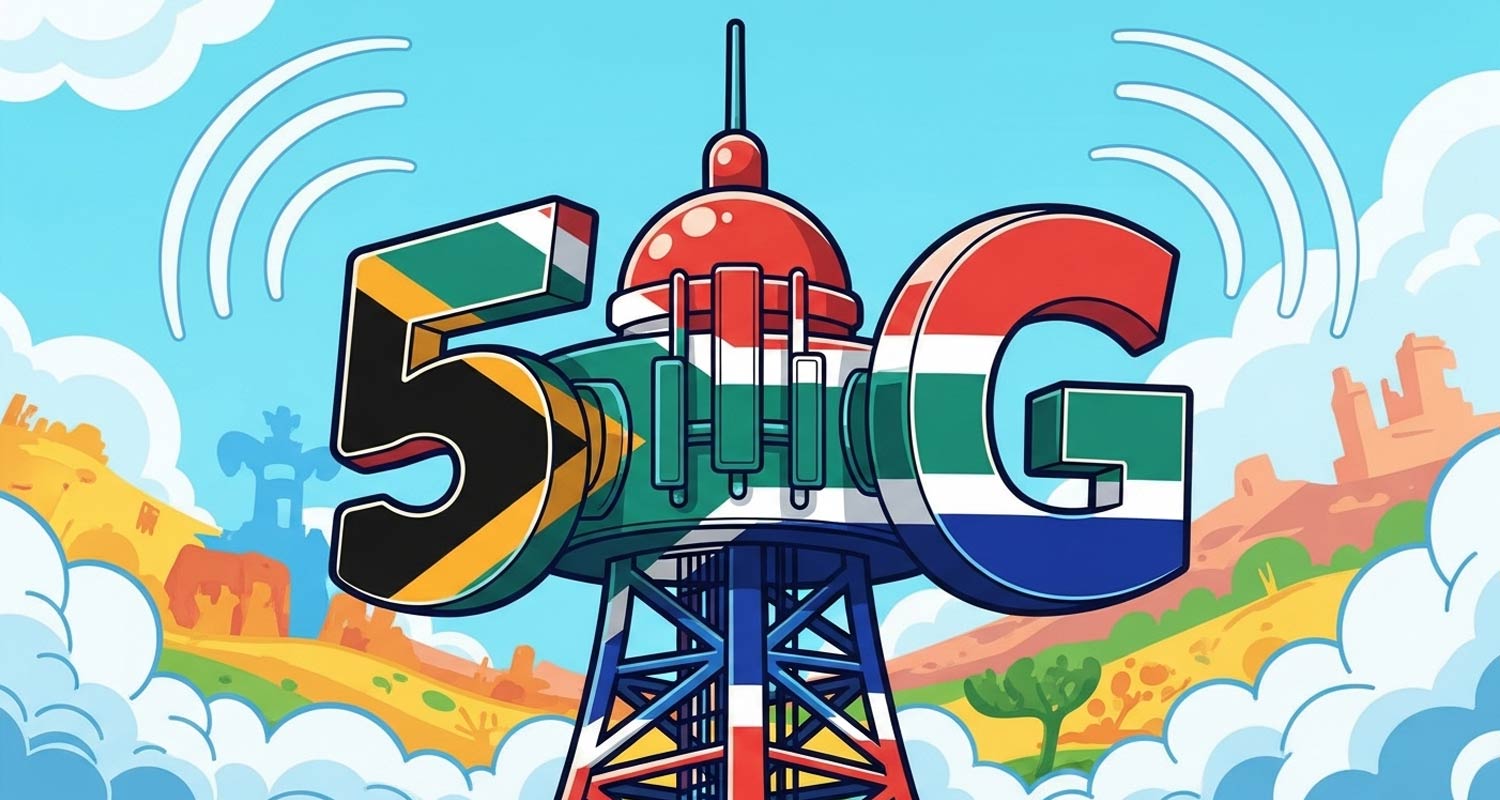 5G in South Africa (IM: TechCentral)
In an attempt to create more space and boost 4G/5G coverage, the government is planning to switch off 2G and 3G networks. The plan is to also ensure the gradual transition of users without relying on old networks.
Telcos such as MTN, Vodacom, Telkom, Cell C, Rain and others are significant players in the country’s drive for quality network service.
Also Read: 5G users in Africa to reach 382 million by 2030 up from 54 million – GSMA.
5. Egypt
As in the case of most African countries, 5G is still at an early stage following the launch in June 2025. Owing to this, the network fails to deliver when users need it.
According to the National Telecom Regulatory Authority (NTRA), 5G users spent about 95% of their time on (non-5G) networks and only about 5% on 5G during the third quarter of 2025, further revealing that although users are ready for 5G, the network is not ready.
Telecoms such as Vodafone Egypt, Orange Egypt, Telecom Egypt and e& are on the push to improve 5G coverage following license acquisitions in 2024 and 2025 and spending nearly $2 billion.
Meanwhile, 4G continues to dominate the mobile network landscape, with the majority of internet users and those degraded from the 5G network spending more time on the service.
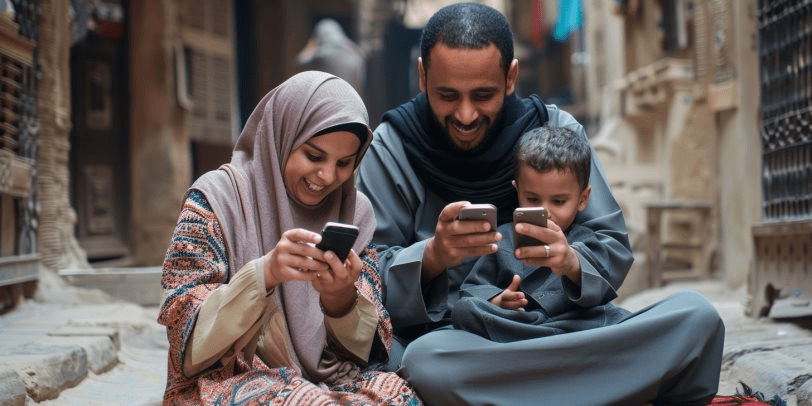
On a positive note, Africa has a bright future for 5G subscriptions. A recent report from GSMA projected that about 382 million (21%) African telecom subscribers are projected to be connected to the 5G network by 2030.


You May Also Like

Taylor Swift Files Trademarks For Voice, Likeness Amid AI Misuse Concerns

PENGU Price Reclaims $0.01 — Can This Solana Memecoin Sustain the Rally?




