

Trump Accuses Iran of Shocking Ceasefire Violations, Threatening Regional Stability
BitcoinWorld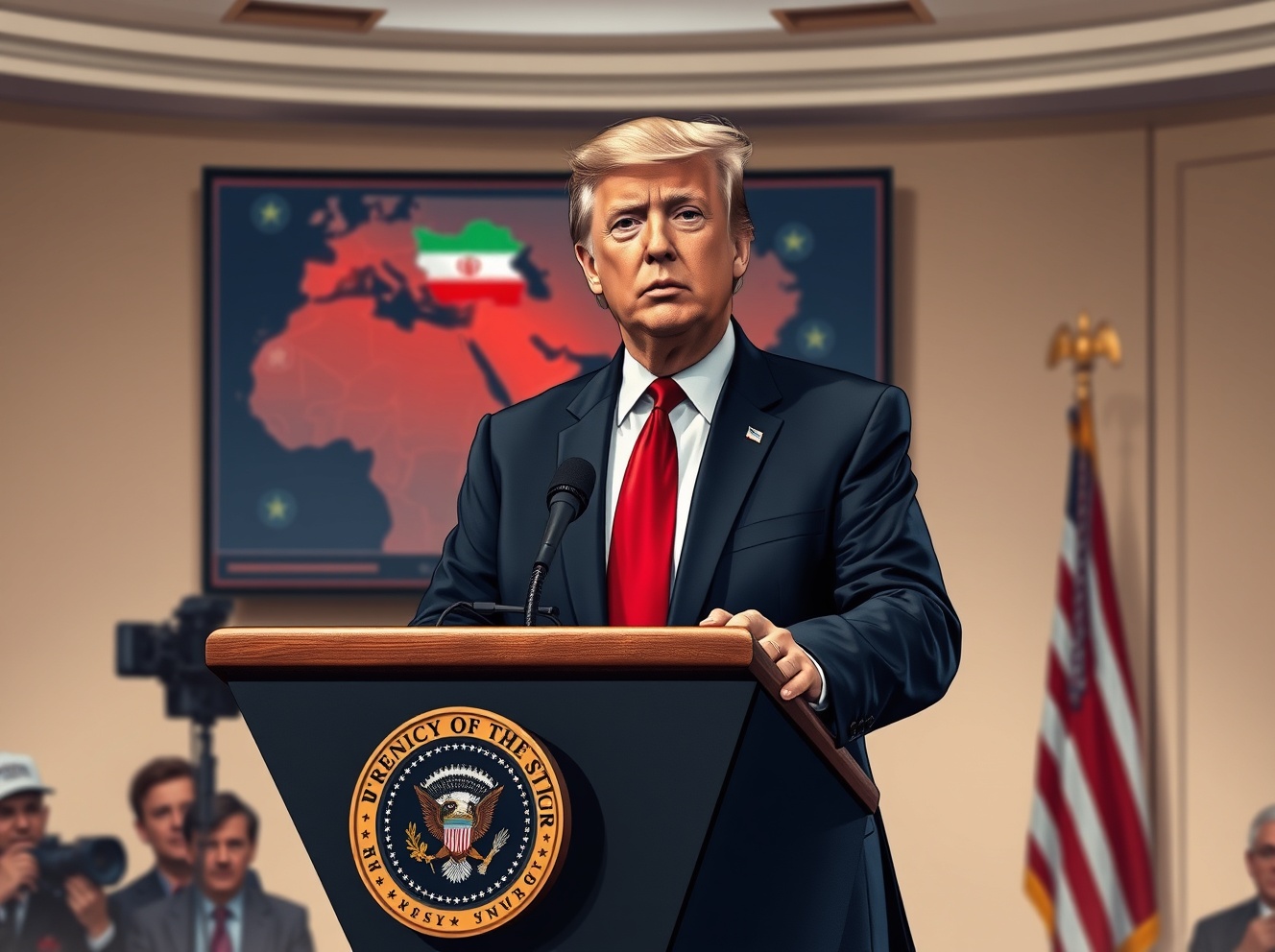
Trump Accuses Iran of Shocking Ceasefire Violations, Threatening Regional Stability
WASHINGTON, D.C. – In a development that threatens to unravel fragile diplomatic progress, former President Donald Trump has publicly accused Iran of committing numerous violations against an existing ceasefire agreement. This accusation, delivered during a recent policy address, immediately reignited tensions in a region already grappling with complex security challenges. Consequently, analysts now scrutinize the potential ramifications for Middle Eastern stability and international relations. The statement represents Trump’s most direct confrontation with Tehran since leaving office, signaling a potential shift in his foreign policy approach. Furthermore, regional observers express concern about escalating rhetoric during a period of delicate negotiations.
Trump’s Accusations Against Iran’s Ceasefire Record
Former President Trump leveled specific charges against the Islamic Republic during his remarks. He claimed Iranian-backed militias conducted multiple cross-border attacks. Additionally, he cited intelligence reports of weapons transfers to proxy groups. These actions, according to Trump, directly contravene the spirit and letter of standing agreements. The former president provided a detailed timeline of alleged incidents over the past six months. For instance, he referenced drone strikes on coalition bases in Iraq and Syria. He also mentioned maritime provocations in the Strait of Hormuz. Moreover, Trump emphasized Iran’s continued ballistic missile development. This program, he argued, violates United Nations Security Council resolutions. The accusations arrive amid stalled negotiations to revive the 2015 nuclear deal. European diplomats have worked tirelessly to bridge gaps between Washington and Tehran. However, this latest development complicates those efforts significantly.
Historical Context of US-Iran Ceasefire Agreements
The current tensions stem from a complex history of agreements and violations. The United States and Iran have maintained a hostile relationship for decades. Several informal understandings have governed conflict prevention. For example, both nations observed de-escalation zones in Syria during the fight against ISIS. Similarly, unwritten rules prevented direct naval clashes in the Persian Gulf. The Trump administration previously brokered a ceasefire in Yemen involving Iranian-backed Houthi rebels. That agreement, however, collapsed within months due to alleged breaches. Regional experts note a pattern of cyclical escalation followed by temporary calm. The table below outlines key recent agreements and their status:
| Agreement/Understanding | Year | Primary Parties | Current Status |
|---|---|---|---|
| Yemen Ceasefire | 2022 | Houthis, Saudi-led Coalition | Collapsed (2023) |
| Syria De-escalation Zones | 2017 | US, Russia, Iran, Turkey | Partially Observed |
| JCPOA (Nuclear Deal) | 2015 | P5+1, Iran | Inactive (US withdrew 2018) |
| Persian Gulf Naval Incidents Understanding | 2019 | US, Iran (informal) | Frequently Tested |
Immediate Regional Reactions and Security Impacts
Regional powers responded swiftly to Trump’s statements. Israeli officials publicly supported the allegations. They released their own intelligence assessments corroborating some claims. Conversely, Iranian Foreign Ministry spokespersons dismissed the accusations as “baseless propaganda.” They accused the United States of projecting its own violations onto Tehran. Meanwhile, Gulf Cooperation Council members expressed cautious concern. Saudi Arabia and the United Arab Emirates called for verified evidence. They also emphasized the need for diplomatic solutions. Security analysts immediately noted increased military readiness. The United States Central Command enhanced patrols in the Persian Gulf. Iran’s Revolutionary Guard Corps conducted unscheduled naval exercises. These developments create tangible risks of miscalculation. Key security impacts include:
- Heightened Aerial Surveillance: Both US and Iranian aircraft increased reconnaissance flights.
- Naval Posturing: Warships from multiple nations deployed to strategic choke points.
- Proxy Group Mobilization: Intelligence suggests Iranian-backed militias received new instructions.
- Diplomatic Communications: Backchannel talks intensified between European mediators.
Furthermore, global oil markets reacted with noticeable volatility. Brent crude prices jumped three percent following the news. Energy analysts worry about potential supply disruptions. The Strait of Hormuz handles approximately twenty percent of global oil shipments. Any conflict there would trigger immediate economic consequences worldwide.
Expert Analysis on Verification and Evidence
Military and intelligence experts emphasize the importance of verifying ceasefire violations. Dr. Elena Rodriguez, a senior fellow at the Center for Strategic Studies, explains the verification process. “Allegations require concrete evidence,” she states. “Satellite imagery, signals intelligence, and on-ground monitoring provide validation.” The United Nations maintains observation mechanisms in conflict zones. However, these systems face limitations in denied areas like parts of Syria. Open-source intelligence communities have begun analyzing Trump’s claims. They examine commercial satellite photos of suspected weapons depots. They also monitor encrypted messaging channels used by militia groups. Preliminary findings remain inconclusive according to several analysts. Some evidence suggests increased activity at known Iranian facilities. Other data points appear ambiguous or unrelated to ceasefire terms. Consequently, the international community seeks clearer documentation. The US State Department traditionally presents evidence to allies before public announcements. This case appears to deviate from that standard procedure.
The Role of Domestic Politics in Foreign Policy Statements
Political analysts observe timing considerations behind the accusations. Former President Trump remains a dominant figure in American politics. His statements often influence policy debates and electoral dynamics. The current administration faces pressure to respond firmly to Iranian actions. Simultaneously, it pursues nuclear diplomacy requiring compromise. This creates a complex balancing act for policymakers. Congressional leaders from both parties demanded briefings on the alleged violations. Senate Foreign Relations Committee members scheduled closed-door hearings. Meanwhile, former administration officials offered contrasting perspectives. Some defended Trump’s decision to publicize intelligence. Others cautioned against escalating rhetoric without coordinated strategy. The domestic political landscape inevitably shapes foreign policy approaches. Election cycles frequently correlate with hardened positions on Iran. This pattern persists across multiple US administrations regardless of party affiliation.
International Diplomatic Fallout and Next Steps
The accusations triggered immediate diplomatic consultations. European Union foreign policy chiefs convened an emergency video conference. They discussed potential mediation efforts between Washington and Tehran. United Nations Secretary-General spokespersons urged restraint from all parties. They offered UN verification mechanisms to investigate the allegations. Russian and Chinese representatives criticized the public nature of the charges. They advocated for private dialogue through existing diplomatic channels. Regional organizations like the Arab League planned emergency sessions. Member states hold divergent views on Iran’s regional role. This diversity complicates unified responses. Several possible scenarios could unfold:
- De-escalation Path: Behind-the-scenes diplomacy reduces tensions quietly.
- Investigation Track: International bodies establish a verification mission.
- Escalation Spiral: Reciprocal actions lead to limited military clashes.
- Status Quo Maintenance: Rhetoric continues without significant policy changes.
Most experts consider the investigation track most likely initially. However, political will determines ultimate outcomes. The coming weeks will prove crucial for regional stability. Diplomatic envoys already shuttle between capitals seeking compromise formulas.
Conclusion
Former President Trump’s accusations of Iranian ceasefire violations introduce new uncertainties into Middle Eastern geopolitics. These allegations require rigorous verification through intelligence sharing and international monitoring. Regional stability depends on calibrated responses that deter violations while preserving diplomatic channels. The situation demonstrates the fragile nature of ceasefire agreements in complex conflict environments. Ultimately, sustainable security demands transparent mechanisms and mutual compliance. All parties must weigh rhetorical positions against the risks of unintended escalation. The international community now watches for concrete evidence and measured next steps.
FAQs
Q1: What specific ceasefire is President Trump referencing?
The former president appears to reference multiple informal understandings and de-escalation arrangements rather than a single documented treaty. These include understandings regarding proxy group activities in Iraq and Syria, as well as naval conduct in the Persian Gulf.
Q2: How has Iran responded to these allegations?
Iranian officials have categorically denied the accusations, labeling them as politically motivated fabrications designed to pressure Tehran during nuclear negotiations. The Foreign Ministry has challenged the United States to present evidence to international bodies.
Q3: What evidence supports the claim of multiple violations?
According to statements from US officials, evidence includes satellite imagery showing weapons movements, intercepted communications between Iranian officers and militia commanders, and on-the-ground reports from conflict zones. This evidence has not been fully publicly disclosed.
Q4: How might this affect nuclear deal negotiations?
Analysts believe these accusations complicate already difficult negotiations. They provide ammunition to critics who argue Iran cannot be trusted to honor agreements. However, some diplomats suggest it could increase pressure on Tehran to make concessions.
Q5: What are the immediate security implications for the region?
Immediate effects include heightened military alerts, increased naval patrols in strategic waterways, potential mobilization of proxy forces, and elevated risks of miscalculation or accidental clashes between US and Iranian assets.
This post Trump Accuses Iran of Shocking Ceasefire Violations, Threatening Regional Stability first appeared on BitcoinWorld.


You May Also Like

ETH Enters High-Stakes Decision Zone

Metaplanet raises $1.4B to fuel BTC purchases and U.S. subsidiary launch




