

Euro Rallies Against Pound as UK Inflation Data Fuels BoE Rate Speculation
BitcoinWorld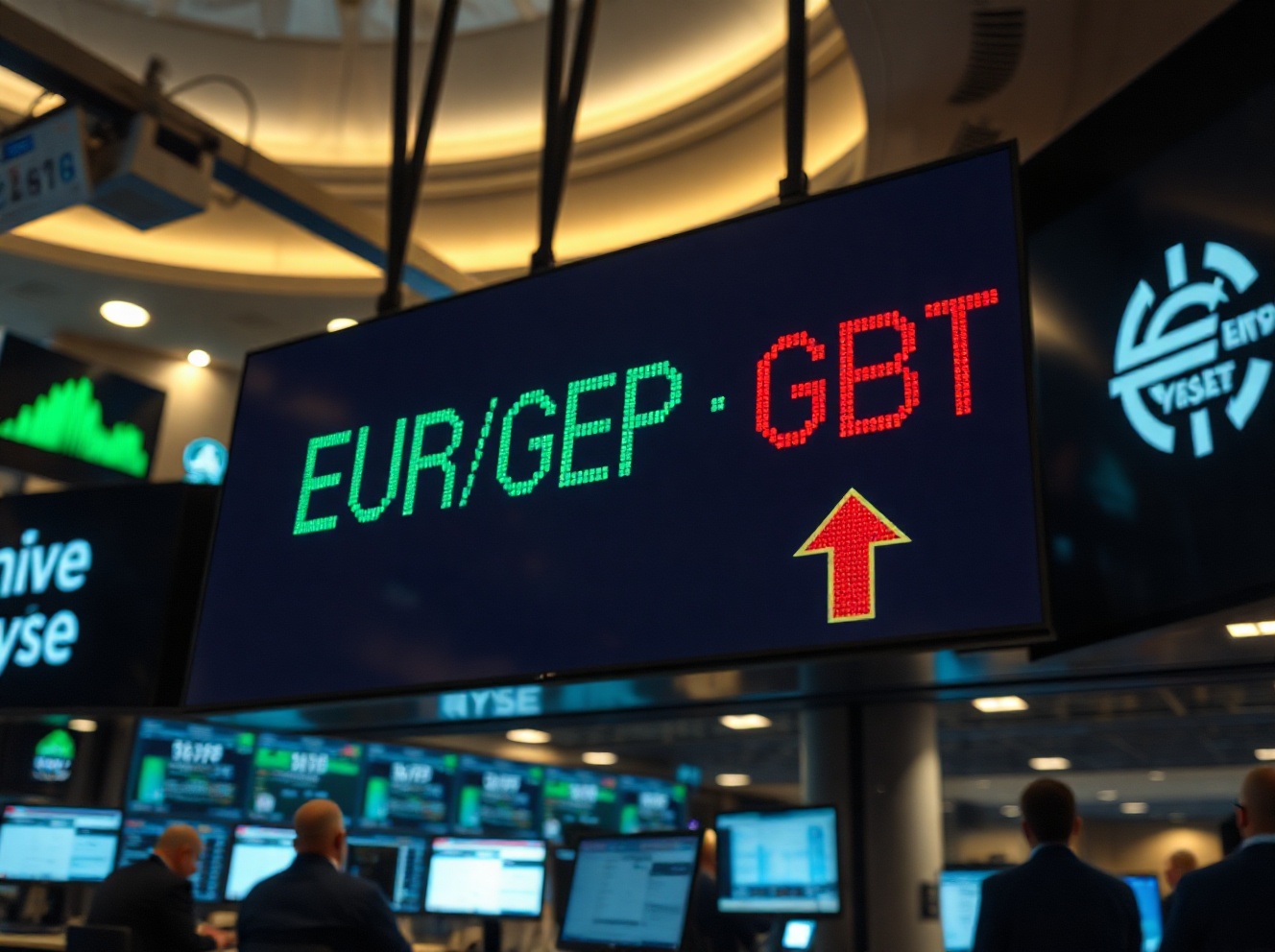
Euro Rallies Against Pound as UK Inflation Data Fuels BoE Rate Speculation
The euro strengthened against the British pound on Wednesday, following the release of the latest UK Consumer Price Index (CPI) data, which showed inflation remaining stubbornly above the Bank of England’s target. The move has sharpened market focus on the BoE’s next monetary policy decision, with traders now pricing in a higher probability of a rate hold.
UK CPI Data Surprises to the Upside
Official figures released earlier today revealed that UK headline inflation rose by 2.3% year-on-year in April, exceeding economists’ consensus estimate of 2.1%. Core inflation, which excludes volatile food and energy prices, also came in hotter than expected at 3.9%. The data suggests that underlying price pressures in the British economy are proving more persistent than previously anticipated, complicating the BoE’s path toward rate cuts.
The immediate market reaction saw the euro climb to 0.8560 against the pound, up from 0.8520 before the release. Sterling also weakened against the US dollar, as traders reassessed the timeline for potential BoE easing.
BoE Rate Decision in Focus
The Bank of England is scheduled to announce its next interest rate decision on June 20. Following the CPI release, market-implied probabilities for a rate cut in June dropped sharply, with swaps now pricing in less than a 10% chance of a reduction. The central bank had previously signaled that it needed to see more conclusive evidence that inflation was on a sustainable path back to its 2% target before loosening policy.
Analysts at major investment banks have revised their forecasts, with several now expecting the first rate cut to be delayed until August or even September. This repricing has provided support for the euro, which has been buoyed by expectations that the European Central Bank may begin its own easing cycle later this year, but at a pace that could be more gradual than the BoE’s.
What This Means for Traders and Businesses
For forex traders, the euro’s gain against the pound represents a continuation of the recent trend, with the single currency having appreciated by roughly 1.5% over the past month. The key level to watch is the 0.8600 resistance area; a break above that could open the door to further gains toward 0.8650.
For UK businesses that import goods from the eurozone, a weaker pound means higher costs. Companies that have not hedged their currency exposure may face margin pressure. Conversely, UK exporters to the eurozone will find their goods more competitively priced, potentially boosting sales.
Conclusion
The euro’s strengthening against the pound reflects a market that is recalibrating its expectations for UK monetary policy in light of sticky inflation. With the BoE’s June meeting now less than a month away, all eyes will be on any further data releases or central bank commentary that could provide additional clues. For now, the currency pair is likely to remain sensitive to inflation surprises and shifting rate expectations.
FAQs
Q1: Why did the euro strengthen after the UK CPI data?
The higher-than-expected inflation figures reduced the likelihood of an imminent Bank of England rate cut, which supported the euro against the pound as traders adjusted their expectations for UK monetary policy.
Q2: When is the next Bank of England rate decision?
The BoE’s next monetary policy announcement is scheduled for June 20, 2024. Markets will be closely watching for any changes to the bank’s forward guidance.
Q3: What level should traders watch for EUR/GBP?
The immediate resistance level is around 0.8600. If the euro breaks above that, the next target could be 0.8650. On the downside, support is seen near 0.8500.
This post Euro Rallies Against Pound as UK Inflation Data Fuels BoE Rate Speculation first appeared on BitcoinWorld.


You May Also Like

Ripple (XRP) vs Solana (SOL): Which Altcoin Has Greater Potential in Q2 2026?

Kaiko Highlights Wrapped BTC Market Dynamics — What’s Next for Investors?

Fed Governor Calls For Strong Stablecoin Oversight As CLARITY Act’s Final Text Gets Delayed



