Overview
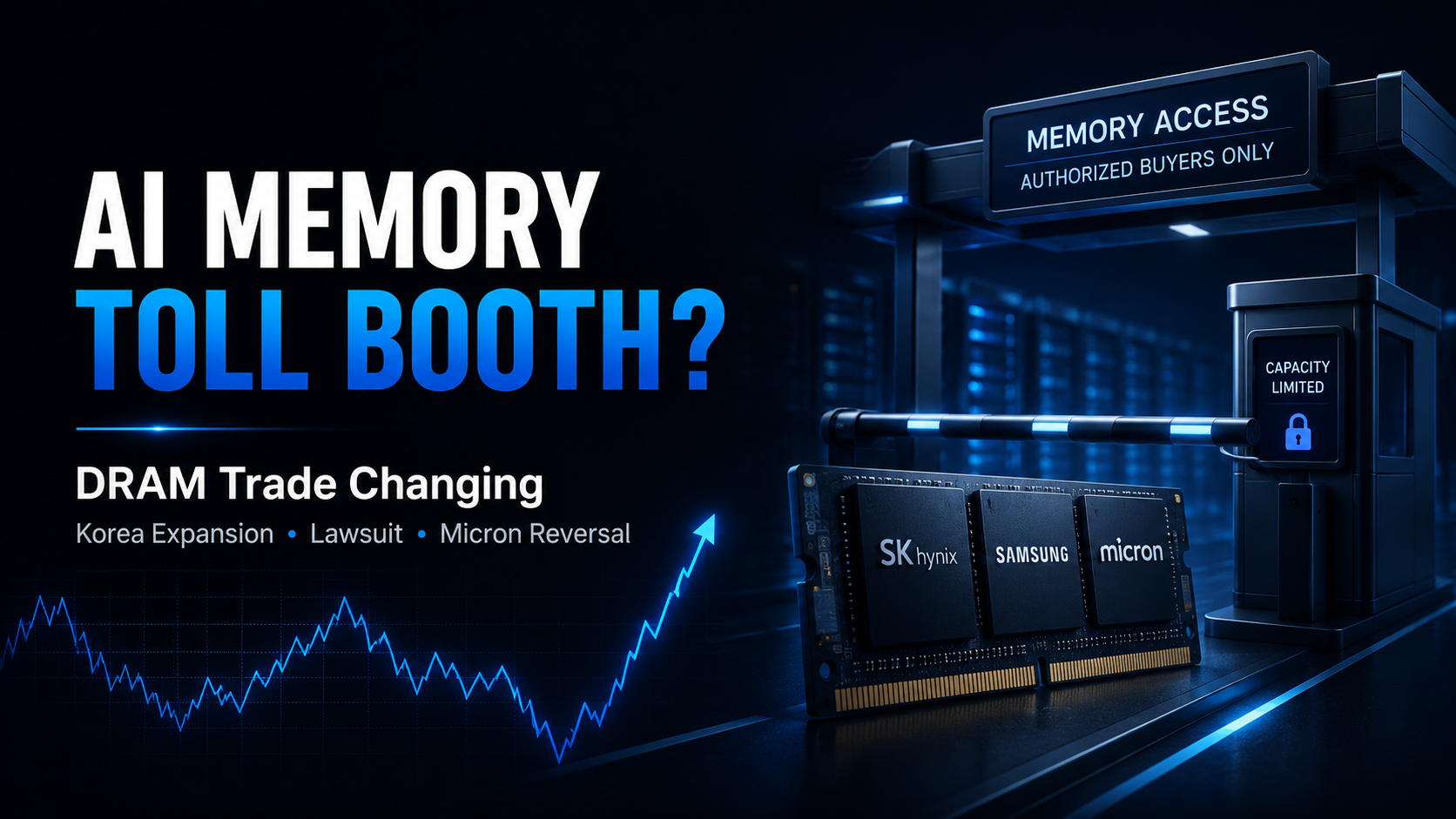
July 30 delivered a textbook reversal on Wall Street. One session after the Dow plunged more than 1,100 points on the Fed's hawkish hold and the Nasdaq closed in correction territory, the tape flipped completely. Microsoft surged about 16% on blowout earnings, adding roughly $450 billion in market value, the largest single day gain by any stock in history, while the Philadelphia Semiconductor Index jumped more than 8% for its biggest advance since April 2025. Memory was the strongest theme on the board, with SanDisk up as much as 26%, and Micron, Western Digital, Seagate and SK Hynix's US listed shares all posting double digit gains. The move then amplified across Asia, where South Korea's KOSPI spiked more than 16% intraday on July 31, triggering the exchange's sidecar circuit breaker as Samsung Electronics and SK hynix surged 20% to nearly 30%. Coming after a month in which memory stocks fell more than 30% and the KOSPI suffered its worst monthly decline on record, the question every risk asset investor is asking is whether this is an oversold snapback or the start of a genuine trend reversal.
Key Takeaways
The Nasdaq closed up 2.8% at 25,122 on July 30, snapping a six day losing streak, with the S&P 500 up 1.7% and the Dow up 1.2%, as Microsoft's roughly 16% surge added about $450 billion in value, the largest single day market cap gain ever recorded.
The Philadelphia Semiconductor Index rose more than 8%, AMD gained about 14.5%, Lam Research climbed 17%, and memory led the tape with SanDisk up as much as 26%, Micron up 15% to 18%, and Western Digital, Seagate and SK Hynix ADRs all in double digits.
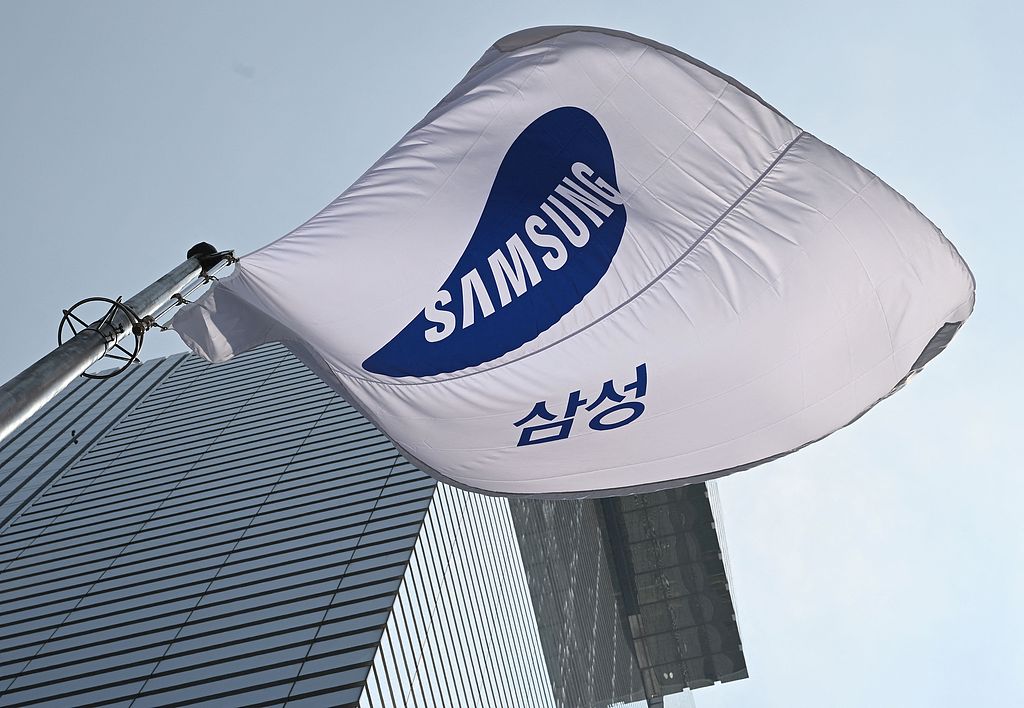
The catalysts were Samsung's Q2 results showing revenue up 130% and profit up more than 1,800% alongside a warning that the memory crunch could last into 2028, plus Microsoft's 43% Azure growth and Amazon's 37% AWS acceleration.
June PCE inflation rose 3.7% year over year and fell 0.1% month over month, with core PCE at 3.3%, roughly in line with forecasts, easing worst case fears that the Fed would be forced into a hike.
The KOSPI spiked more than 16% intraday on July 31, triggering a buy side sidecar, with Samsung rejoining the $1 trillion market cap club, though the index remains down nearly 25% for the month.
The 30 year Treasury yield still sits above 5.2% near its highest since 2007, and the divergence between bond market inflation anxiety and equity market euphoria is the rally's biggest macro vulnerability.
A Reversal Compressed Into One Session
CNBC's closing data showed the Nasdaq Composite finishing July 30 up 2.8% at 25,122.18, ending a six day skid, with the Dow up 613.92 points at 52,208.06 and the S&P 500 up 1.7% at 7,437.63. Just one day earlier, the Dow had plunged more than 1,100 points, its worst session since April 2025, after the Fed's 9 to 3 hawkish hold pushed the 30 year Treasury yield above 5.2%.
Earnings turned the tide.
Bloomberg reported that Microsoft soared 16% after posting its fastest cloud unit growth in four years, adding roughly $450 billion in value, the most by any stock in a single day. Azure's 43% growth answered the market's central question about AI capex returns, and the battered AI complex rallied in unison, handing the Philadelphia Semiconductor Index its largest gain since April 2025.
The Rebound Landed on Wrecked Positioning
The violence of the move owes much to what preceded it. Memory stocks had been hammered for a week on disappointing SK Hynix results, the completed IPO of Chinese memory maker CXMT and reports of progress in China's domestic DUV lithography equipment, leaving parts of the sector more than 30% below their highs. JPMorgan analysts noted on July 29 that hedge funds and other large investors had likely finished the tech, chip and memory selling required to cut leverage. Exhausted sellers plus a heavyweight catalyst is the mechanical recipe for double digit single day gains.
Why Memory Led the Entire Market
Samsung Rewrote the Supply Narrative
Benzinga reported that Samsung's second quarter results, released Thursday morning, showed revenue up 130% year over year and profit up more than 1,800%, alongside a warning that tight memory supplies could persist into 2028. For a sector that had just been sold down 30% on oversupply fears, the report directly invalidated the bear case.
The stock level reaction was explosive.
CNBC's market coverage showed Micron rallying 18%, SanDisk up as much as 26%, Western Digital and Seagate gaining 15% to 18%, SK Hynix ADRs up about 16%, equipment maker Lam Research climbing 17% and AMD adding roughly 14.5%.
Sell Side Research Poured Fuel on the Fire
UBS initiated coverage of SK Hynix's US listed shares the same day with a Buy rating and a $204 target, arguing the stock does not reflect a structural improvement in the memory industry driven by AI demand, and projecting that agentic AI will accelerate DRAM and NAND bit demand growth through 2027. Goldman Sachs added that conventional DRAM prices should rise at a double digit pace in both Q3 and Q4, with HBM pricing potentially doubling next year. Fundamental data, flagship earnings and sell side conviction converged on a single session, which is why memory outran the broader tape.
The Macro Data Cooperated Just Enough
The day's economic releases mattered because they did no additional damage. Commerce Department data showed June PCE inflation up 3.7% year over year and down 0.1% on the month, with core PCE up 3.3% annually and just 0.1% monthly, broadly in line with forecasts. Coming one day after the Fed's fractured 9 to 3 vote in which three officials demanded a hike, an inflation report that simply failed to get worse was enough to lend support to the pause camp. Second quarter GDP growth of 1.5%, below expectations, further weakened the case for immediate tightening.
The bond market remained unconvinced. The 30 year Treasury yield climbed 6 basis points after the Fed decision to above 5.2%, hovering near its highest levels since 2007, reflecting concern that policymakers are falling behind on inflation. Equity euphoria coexisting with bond market anxiety is the key to understanding how fragile this rebound could prove.
A Historic Session in Seoul
The US move was amplified severalfold in Asia on July 31.
The Korea JoongAng Daily reported that the KOSPI surged more than 11% within seven minutes of the open, triggering the exchange's buy side sidecar and suspending program buy orders for five minutes, before extending intraday gains beyond 16%. Samsung Electronics jumped more than 20% to rejoin the $1 trillion market cap club, SK hynix spiked nearly 30% at its peak, and foreign net buying drove the index.
The euphoria needs its full context. Through Thursday's close, the KOSPI had fallen 34% in July, its steepest monthly decline on record, and Samsung and SK hynix had dropped 27.2% and 18.5% respectively over just the prior three sessions. Even after Friday's surge, the index remains down nearly 25% for the month. This was a violent recovery from extreme panic rather than the start of a new high cycle, and local analysts broadly cautioned that calling a confirmed reversal is premature.
What It Means for Crypto Markets
The repair in equity risk appetite transmits directly to digital assets. Through this cycle, Bitcoin's pricing has tracked dollar liquidity and tech equity risk sentiment closely, and
CoinDesk's analysis showed BTC consolidating near $64,000 after the Fed's hawkish hold, waiting for a catalyst. A 2.8% Nasdaq rebound and a restored AI narrative create a friendlier backdrop for Bitcoin to test resistance above $65,000.
The higher beta exposure sits in AI sector tokens. With the compute and memory scarcity narrative back in charge, tokens tied to AI infrastructure (decentralized compute, AI data and inference networks) have historically amplified moves in Nvidia and the Philadelphia Semiconductor Index by a multiple. The same correlation cuts both ways on down days. Traders can monitor live prices and capital rotation across Bitcoin and AI sector tokens on
MEXC to gauge whether the equity side recovery in risk appetite is spilling into crypto.
What to Watch Next and Where the Risks Sit
Three Near Term Checks
First, whether the earnings relay holds. Amazon's after hours report showed AWS growth of 37%, the fastest since late 2021 and a fifth straight quarter of acceleration, sending shares sharply higher, while Apple slipped after its results. The rest of the week's reports will set the rally's breadth. Second, whether the KOSPI can hold its gains, with sustained foreign buying and a falling volatility index the conditions for a durable Asian tech recovery. Third, the 30 year Treasury yield, since any further climb above 5.2% could re-cap the valuation recovery in long duration assets at any moment.
Three Medium Term Risks
One, inflation and the Fed. Two CPI reports land before the September meeting, and any reacceleration could convert July's 9 to 3 split into an actual hike, removing the macro floor under this rebound. Two, the supply side of the memory cycle. Chinese capacity ramps and equipment localization triggered the original selloff, and that variable has been overshadowed by Samsung's print, not eliminated. Three, volatility itself. A 16% index day and 25% single stock moves signal fragile market structure rather than health, and a regime of violent two way swings is hostile to leveraged positioning in any asset class.
Exclusive View from the MEXC Crypto Pulse Research Team
What genuinely matters about this rebound is not its size but what it reveals about how binary AI pricing has become. Markets are swinging violently between two narratives, AI capex that never pays off versus compute and memory shortages lasting into 2028, and the same stocks can fall 30% in a week and rise 20% in a day. There is no disagreement about AI's long term direction. There is no consensus at all about its near term valuation anchor.
The likeliest misreading is to equate one explosive session with a confirmed bottom. The KOSPI is still down nearly 25% on the month, the Nasdaq has only just exited correction territory, and the bond market has conceded nothing on inflation with 30 year yields near 2007 highs. The more accurate description is a technical repair triggered by earnings and amplified by short covering and cleaned up positioning. The trend verdict waits for the inflation prints ahead of the September Fed meeting.
The two divergences to watch from here are equity optimism versus bond market caution, and the strength of US AI leaders versus the still deep monthly losses in Asian memory names. History suggests such divergences usually resolve through rising volatility rather than a quiet one way repair.
For crypto, the implication is that Bitcoin and AI tokens currently sit on the same beta chain, where equity AI sentiment functions as the discount rate for crypto's AI sector. In this regime, the core indicators for crypto investors are not on-chain but in the Philadelphia Semiconductor Index, memory stocks and long end Treasury yields. The moment crypto's own narratives (ETF flows, the halving cycle, stablecoin expansion) decouple from equity beta again will be the signal that digital assets are trading their own story once more.
FAQ
Why did US stocks rebound so sharply on July 30?
Microsoft's earnings were the core catalyst. Azure grew 43%, the fastest cloud growth in four years, directly answering doubts about AI capex returns and driving the stock up about 16% with a roughly $450 billion single day value gain. June PCE inflation came in line with forecasts and did not deteriorate, easing fears of a forced Fed hike. With positioning washed out after six straight down sessions, the Nasdaq rebounded 2.8% and snapped its losing streak.
Why did memory chip stocks lead the rally?
Samsung's Q2 results showed revenue up 130% and profit up more than 1,800%, with a warning that memory supply tightness could last into 2028, invalidating the oversupply thesis that had driven the sector down more than 30%. UBS initiated SK Hynix's US shares at Buy with a $204 target the same day, and Goldman forecast double digit DRAM price gains through year end. With positioning extremely light, the converging catalysts sent SanDisk up as much as 26% and Micron up 18%.
Why did the KOSPI surge more than 16% in one day?
The index tracked the overnight US semiconductor rally, jumping more than 11% within seven minutes of Friday's open and triggering the exchange's buy side sidecar, which halted program buying for five minutes. Samsung rose over 20% to rejoin the $1 trillion market cap club and SK hynix spiked nearly 30%, powered by foreign net buying. The context is a 34% July decline for the KOSPI, its worst month on record, making this a violent oversold rebound with the index still down nearly 25% for the month.
How does this rally affect Bitcoin and crypto markets?
The effect is positive but indirect. Bitcoin's pricing this cycle closely tracks tech equity risk appetite and dollar liquidity, and it had been consolidating near $64,000 after the Fed's hawkish hold. The Nasdaq rebound and restored AI narrative improve the risk backdrop and support a test of resistance above $65,000. AI sector tokens carry higher beta to the Philadelphia Semiconductor Index and can amplify equity moves severalfold, in both directions, so two way risk management matters.
Is this rebound sustainable or just an oversold bounce?
Evidence currently favors an oversold repair. Supportive factors include strong earnings (Amazon's AWS accelerated to 37% growth), the apparent completion of institutional deleveraging, and inflation data that held steady. Working against sustainability, the 30 year Treasury yield remains above 5.2% near 2007 highs, the bond market does not share equities' optimism, and the KOSPI is still down nearly 25% for the month. A confirmed trend reversal requires the CPI prints ahead of the September Fed meeting to break favorably.
What signals should investors watch next?
Near term, three things. The quality of the remaining Big Tech earnings this week, the durability of the KOSPI rebound and foreign buying, and whether the 30 year Treasury yield breaks higher. Medium term, three more. The two US CPI reports before the September FOMC meeting, which will decide the direction of the Fed's 9 to 3 split. Progress by Chinese memory makers on capacity and equipment localization, the original trigger of the selloff. And whether spot memory prices deliver the double digit gains Goldman projects. Together these will determine whether the rebound matures into a trend.
Disclaimer
This content is provided for informational purposes only and does not constitute investment advice, financial advice, legal advice, tax advice or a recommendation to buy or sell any asset. Prices of crypto assets, equities and other financial instruments are highly volatile and may rise or fall sharply within short periods. Past performance is not indicative of future results. The data and information cited here are drawn from public sources and, while reviewed with care, are not guaranteed to be complete or current. Users should conduct their own research, assess their individual risk tolerance and consult licensed professionals where appropriate before making any investment decision. The MEXC Crypto Pulse Team accepts no liability for any direct or indirect losses arising from the use of or reliance on this content.
About the Author
The MEXC Crypto Pulse Team focuses on crypto market trends, on-chain narratives, fintech developments, and digital asset ecosystem research. The team tracks public market data, company announcements, third-party market platforms, and industry news sources to help users better understand market structure, risks, and opportunities.
Research References